


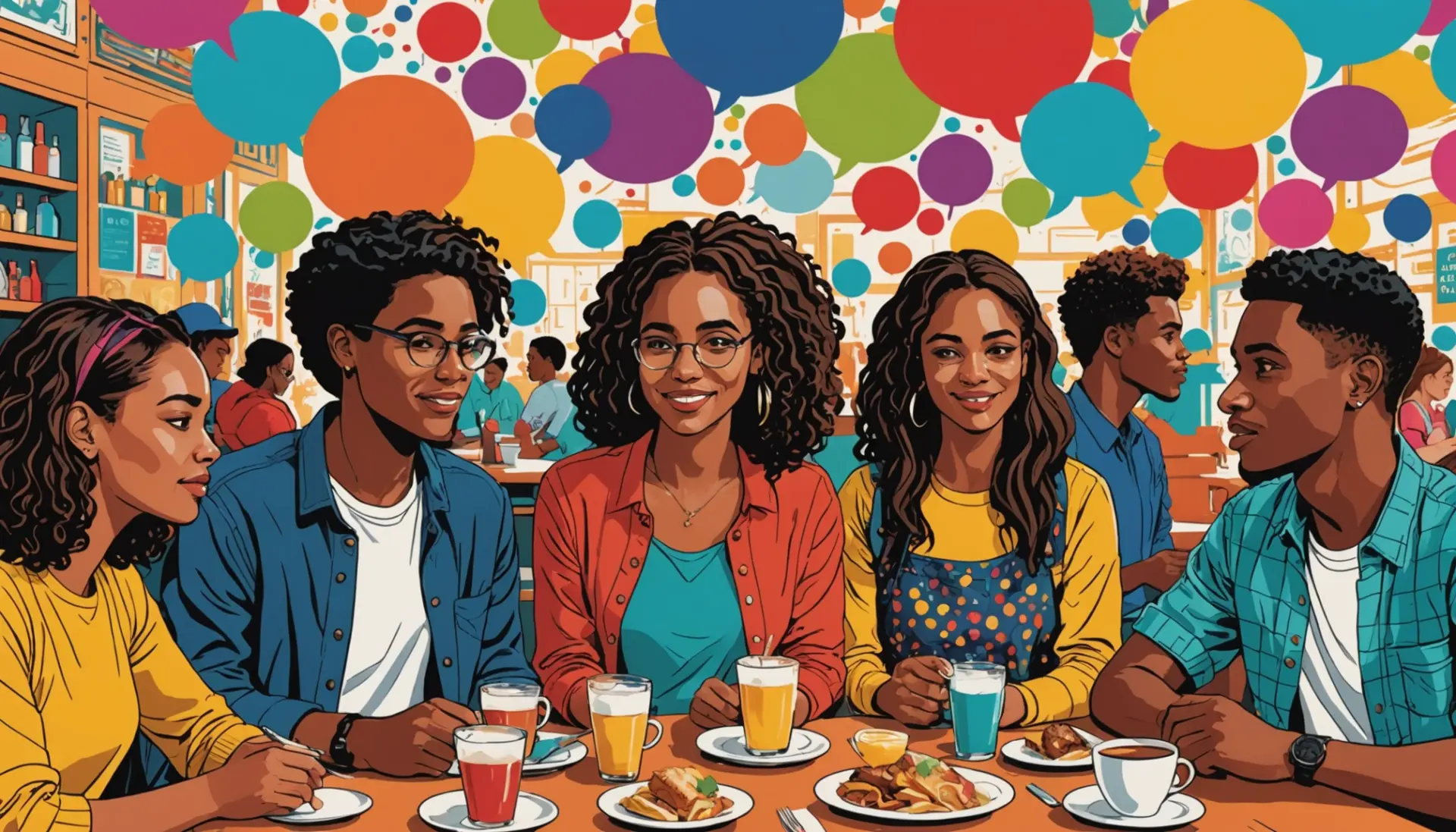

Okay so, what does neurodivergent mean, and why is everyone using it online like it unlocked some secret? The phrase what does neurodivergent mean has blown up in DMs, TikTok captions, and think pieces, and not always accurately. You see it in bio lines, memes, and in earnest threads where people try to explain their brain wiring without turning it into a clinical essay. This post is for the friend who asks the simple question and actually wants the full picture.
Table of Contents
What Does Neurodivergent Mean? A Clear Definition
The plain answer to what does neurodivergent mean is that it describes people whose brains function, learn, or process information differently from what culture calls neurotypical. It is not a diagnosis itself. Instead, it is an umbrella identity for conditions like autism, ADHD, dyslexia, Tourette’s, and others that affect cognition or sensory processing.
Think of it like this: neurodivergent is about neurological variety. It names difference, not defect. People use the term to claim identity and reject medicalizing language that focuses only on deficits.
What Does Neurodivergent Mean in Everyday Speech?
When someone asks what does neurodivergent mean in a convo, they usually want to know how it shows up day to day. It can mean needing noise-cancelling headphones in a café, hyperfocus on a hobby, or social fatigue after a party. Those are surface signs, but the lived reality is broader and rarer to capture in a single tweet.
Online, people say things like, “I’m neurodivergent, so I work best with a list and a timer,” or, “He’s neurodivergent, not rude, just processing differently.” Those sentences pack a lot: identity, accommodations, and a gentle request for patience.
History and Origins of the Term
The term neurodivergent grew from the neurodiversity movement in the 1990s, started by autistic activists who wanted a different framing. Judy Singer, an Australian sociologist, is often credited with popularizing the concept as a civil rights-like stance. Over time, the phrase migrated from academic and activist circles into mainstream use across blogs, podcasts, and pop culture.
If you want a quick primer, Wikipedia’s neurodiversity page is a decent starting point for history and debate. For clinical context about autism specifically, the CDC has useful facts.
Real Examples: How People Use the Slang in Conversation
Here are some real-feeling lines you probably heard on TikTok or in group chats. These show how the phrase functions socially, not clinically.
“I’m neurodivergent, so pls don’t schedule surprise meetings. My brain needs a heads-up.”
“She said she was neurodivergent in her bio, I thought, neat. It explained why her playlists were all noise-canceling longform beats.”
Another example from Twitter saw a musician mention being neurodivergent while describing how certain sounds help them write songs. That thread went viral because people recognized a relatable creative pattern. Real people use the phrase to describe preferences, limits, and superpowers all at once.
Common Misuses, Stereotypes, and Why They Matter
People sometimes misuse what does neurodivergent mean as a catchall for quirks like “I am a little anxious about text messages.” That trivializes real neurological differences. There is a line between casual shorthand and erasing experiences that come with real hardship for many.
Then there is the opposite problem: treating neurodivergence as only a deficit. Pop culture has a long history of portraying autism or ADHD either as tragic or as a quirky genius trait. Both are stereotypes. The honest truth is messier: diversity includes strengths and real challenges.
Resources and Where to Learn More
If you want reliable info, go to primary or medical-adjacent sources. These are solid reads: NHS guidance on autism gives practical, UK-based context. For academic framing, look up the neurodiversity movement on Wikipedia or check peer-reviewed articles.
Also, social media can be an education if you follow the right people. Look for self-advocates, not just journalists summarizing studies. Creators who actually identify as neurodivergent often post both humor and nuance that textbooks miss.
Where the slang and identity intersect
Slang culture adopted the phrase because it is useful shorthand. Saying you are neurodivergent signals a lot about needs, boundary setting, and identity in fewer words. Memes helped, obviously. There was a wave of “manifesting my autistic traits” humor on TikTok, and that made the term part of mainstream chat within a few years.
How to talk about it respectfully
Be curious, not performative. If someone says they are neurodivergent, ask if they want accommodations, not a lecture on DSM codes. Say “thanks for letting me know,” not “that’s so interesting” like you are collecting specimens.
Also, avoid assuming it explains everything about a person. Being neurodivergent is part of identity, not a character summary.
Final Thoughts: Why the Question Matters
Asking what does neurodivergent mean is a good start. It shows people are noticing difference and trying to name it. But naming is just step one. The next step is listening to neurodivergent people about their needs and experiences.
Culture will keep remixing the term. Sometimes that’s helpful. Sometimes it flattens nuance. The best move is to stay humble and keep learning. If you remember one thing: neurodivergent describes a range of brain differences, not a flaw to be fixed.
Want related reads? Check more slang entries here: autism slang meaning and neurotypical slang meaning.
For further reading and sources used in this post: Neurodiversity on Wikipedia and CDC autism facts.