


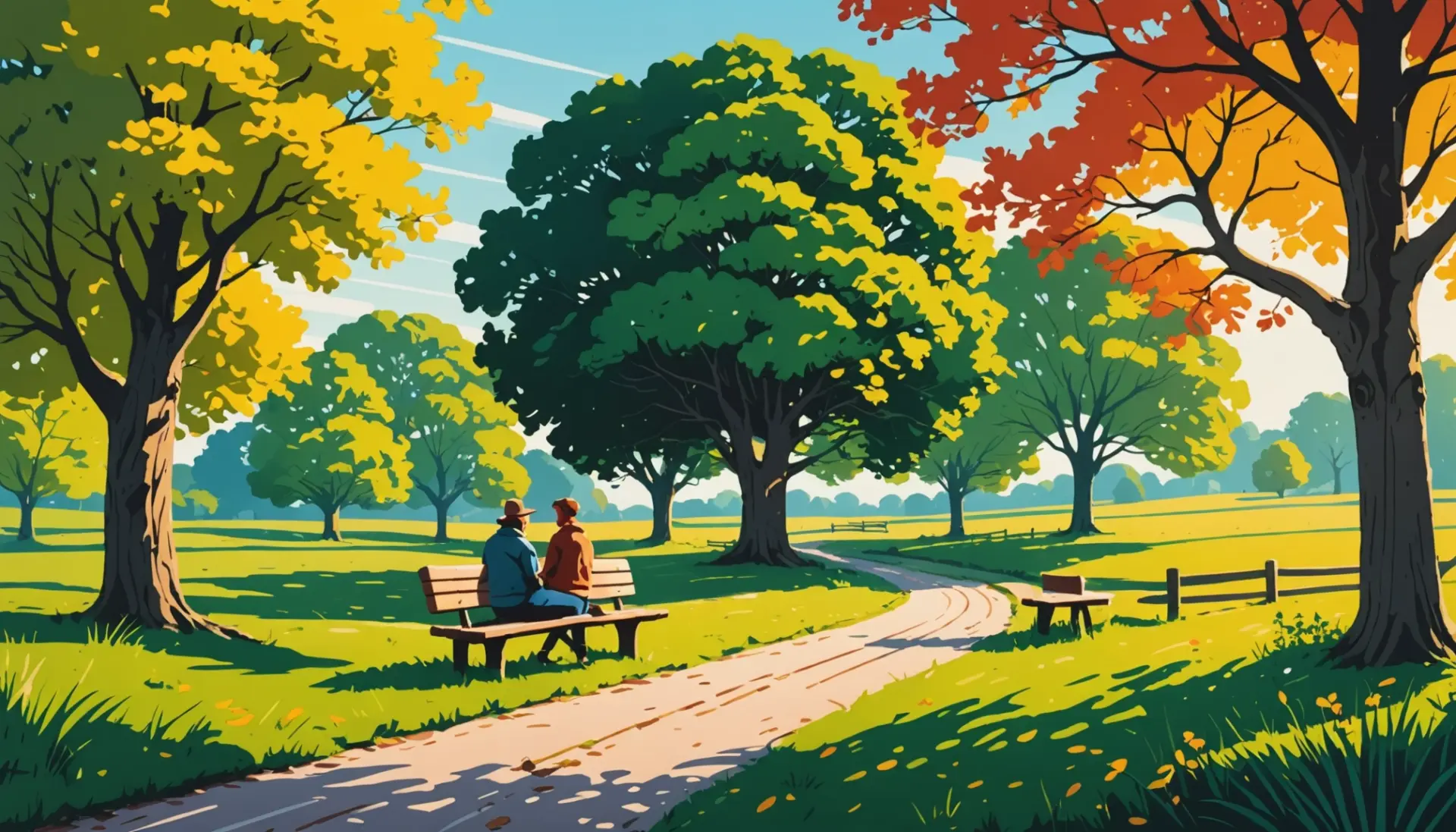

What Does Copse Mean? Definition and Origins
What does copse mean? Quick answer: it usually means a small group of trees, a tiny patch of woodland you might stumble into on a walk.
People use it in landscape descriptions, literature, and place names. It is not primarily slang, though sometimes folks use it casually to add a pastoral vibe to a sentence.
Table of Contents
What Does Copse Mean? Modern Use and Slang
Okay so, when people ask “what does copse mean?” they are often trying to figure out whether it is a regional word, a fancy word, or some new slang on TikTok. Spoiler: it is older than TikTok, and very much part of standard English vocabulary.
In modern speech you will hear it more in British English and in writing that wants a rustic or poetic tone. Think travel blogs, nature writing, or a novelist describing a scene where two characters meet under the trees.
Etymology and History
The word copse comes from older words like coppice and the Middle English coppis, related to the practice of coppicing, which is cutting trees back to promote growth. It has a clear agricultural and woodland history.
For a concise dictionary definition see Merriam-Webster, and for a broader historical perspective you can check Wikipedia on coppice. Both are solid starting points if you want the formal take.
Real Examples and How People Say It
People use copse in everyday conversation when they want to sound a little specific or pastoral. For instance: “There is a small copse behind the pub, perfect for a quiet phone call.” Short and visual.
“Do you know that little copse by the river? We used to meet there after class.”
Or in more formal descriptions: “The estate features a copse of ancient oaks.” You will also see it in place names and local signage, especially in Britain.
Example of someone asking a friend: “What does copse mean? Is it like a grove?” The answer: grove and copse are similar but not identical. A grove often suggests a planted stand of trees, while a copse implies a small, possibly wild cluster, sometimes managed by coppicing.
Why People Ask This, and Confusions
So why do people search “what does copse mean?” Often because they read it in a book or on a hike sign and want clarity. Another reason: copse looks quaint, like a word you might hear in Jane Austen or a BBC period drama.
People also mix it up with similar nature words like grove, thicket, and woodlot. Each word has shades of meaning informed by size, cultivation, and local usage. If you’re sorting a map or writing a caption, choosing copse gives a very specific, intimate woodland image.
Usage Notes and Tone
Use copse when you want a slightly literary or countryside tone. If you’re writing a caption for an Instagram photo of your city park, it might sound cute. If you want plain, neutral language, “small wood” works fine.
Also, copse is not typically used as slang to mean something unrelated to trees. If you meant a slangy or coded usage, you probably saw a regional joke or a hashtag riffing on countryside vibes.
Resources and Further Reading
For the tidy dictionary-style definition head to Merriam-Webster. For notes on coppicing and traditional woodland management, the Wikipedia coppice entry has historical context and references.
Curious about other slang-adjacent words? Check out bogart slang meaning or our piece on rizz slang meaning for how ordinary words and names can get fresh reboots in pop culture.
Wrap-Up: Short, Honest Answer
If you typed “what does copse mean?” to settle a mini argument, here is the clean answer: a copse is a small group of trees, often natural or managed, usually smaller than a wood. That covers most uses.
Use it when you want a slightly old-school, pastoral flavor. Say it out loud. It has a nice, soft cadence. And now you can drop it into captions, essays, or a chat with a friend without sounding like you just invented it.
Final little note: language evolves. Words like copse move between common speech and literary flavor. So next time you hear someone ask “what does copse mean?” you can answer like a champ.
Want another quick read on similar terms? Try those internal links above. And if you love etymology, Merriam-Webster and Wikipedia are handy companions.
Conversation Examples
Here are a few natural ways people actually say it. Short, not precious.
Friend 1: “Meet by the copse at six?”
Friend 2: “Which copse? The one by the old mill?”
Hiker: “That copse of beeches was stunning in the light.”
If you want to roleplay an argument at brunch: “What does copse mean? Is it the same as a grove?” Now you know how to answer.