


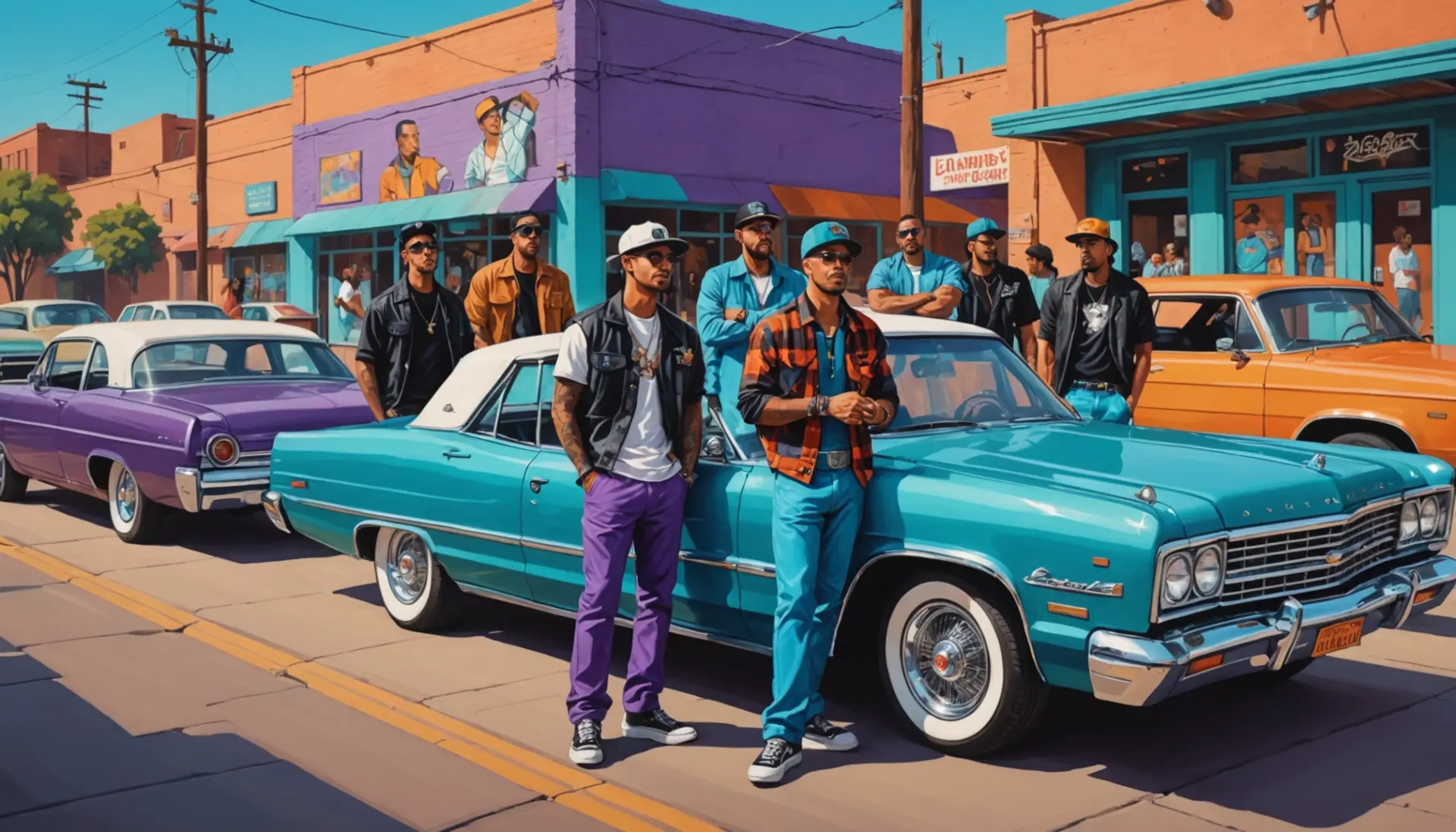

Intro: Why Cholo Urban Dictionary Still Matters
The term cholo urban dictionary shows up in searches when people want a quick, often messy summary of a loaded word.
Say you heard someone call a look “cholo” or saw “cholo style” in a meme, and you Googled “cholo urban dictionary” to get the tea. Cool, you are not the only one.
Table of Contents
What Is Cholo Urban Dictionary?
When people type “cholo urban dictionary” they usually want a fast, crowd-sourced definition that mixes slang, jokes, and personal experience.
Urban Dictionary entries are written by users, so the first hit often reads more like a lived-in anecdote than a careful definition. That is part of the problem and charm.
Cholo Urban Dictionary: History and Origins
The background of cholo goes deeper than any single Urban Dictionary entry will show, and searching “cholo urban dictionary” only gets you a sliver of the story.
Historically, “cholo” has roots in colonial Latin America, used as a racialized label for mixed Indigenous and Spanish heritage, and later evolving regionally in Mexico, the U.S., and Peru. For a concise academic overview, see Wikipedia on Cholo.
In the U.S., the word migrated into barrio culture, linked with lowrider cars, specific fashion like buttoned-up flannels and bandanas, and sometimes gangs. That history is worth a read on authoritative sources like Merriam-Webster.
Modern Uses and Stereotypes: How Urban Dictionary Entries Paint the Picture
Type “cholo urban dictionary” and you will see entries that swing between affectionate, ironic, and flat-out insulting. Memes have done a lot to spread a simplified image: bandanas, tattoos, and a certain stoic pose.
Know Your Meme catalogs how online culture packages these visuals, and you can check out their archive for examples of the aesthetic becoming a meme: Know Your Meme.
What Urban Dictionary cannot capture well is nuance: regional differences, generational pride, and the painful history of stereotyping. People who live in these communities experience the term differently than someone using it as a fashion adjective online.
How People Use “Cholo Urban Dictionary” in Conversation
Real talk: people search “cholo urban dictionary” to justify calling a look or vibe “cholo.” That is where misunderstandings start.
Here are authentic-feeling examples you might overhear in text threads or at a party.
-
Example 1: “Bro, that fit is straight cholo, look at those Dickies and the bandana.”
-
Example 2: “She called my car lowrider, I typed ‘cholo urban dictionary’ and the top result was just jokes.”
-
Example 3: “Don’t call him cholo unless he owns it—it’s complicated culturally.”
Urban Dictionary-style snippets are short and punchy, which makes them useful for casual convo but unreliable for context or respect.
Responsible Language: What to Do Instead of Relying on ‘Cholo Urban Dictionary’
If you care about accuracy, use a mix of sources. Start with historical entries on sites like Wikipedia, then read lived experience, whether that’s interviews, documentaries, or community writing.
Also, ask people from the culture how they feel about the label. Simple, honest question: do you mind if I call it cholo? Most will appreciate the effort.
Closing Thoughts and Quick Tips
So yes, typing “cholo urban dictionary” will get you an immediate answer, usually funny or blunt, but that answer is only one layer.
Use Urban Dictionary as a starting point, not the final word. And if you want deeper context on related slang, check out our takes on rizz and delulu. For older slang roots, we have a piece on bogart that digs into cultural shifts.
Urban Dictionary-style illustrative entry (not quoted from the site): “Cholo: a barrio aesthetic and identity tied to lowriders, tattoos, and a specific style. Can be used proudly, casually, or insultingly depending on context.”
Example sentences again, because people ask for them: “That old school tuck and fade? Mad cholo.” “He rolled up in cholo clothes and everyone noticed.”
If you search “cholo urban dictionary” next time, pause for a second and think about who wrote that line. Context matters. Words carry history.