


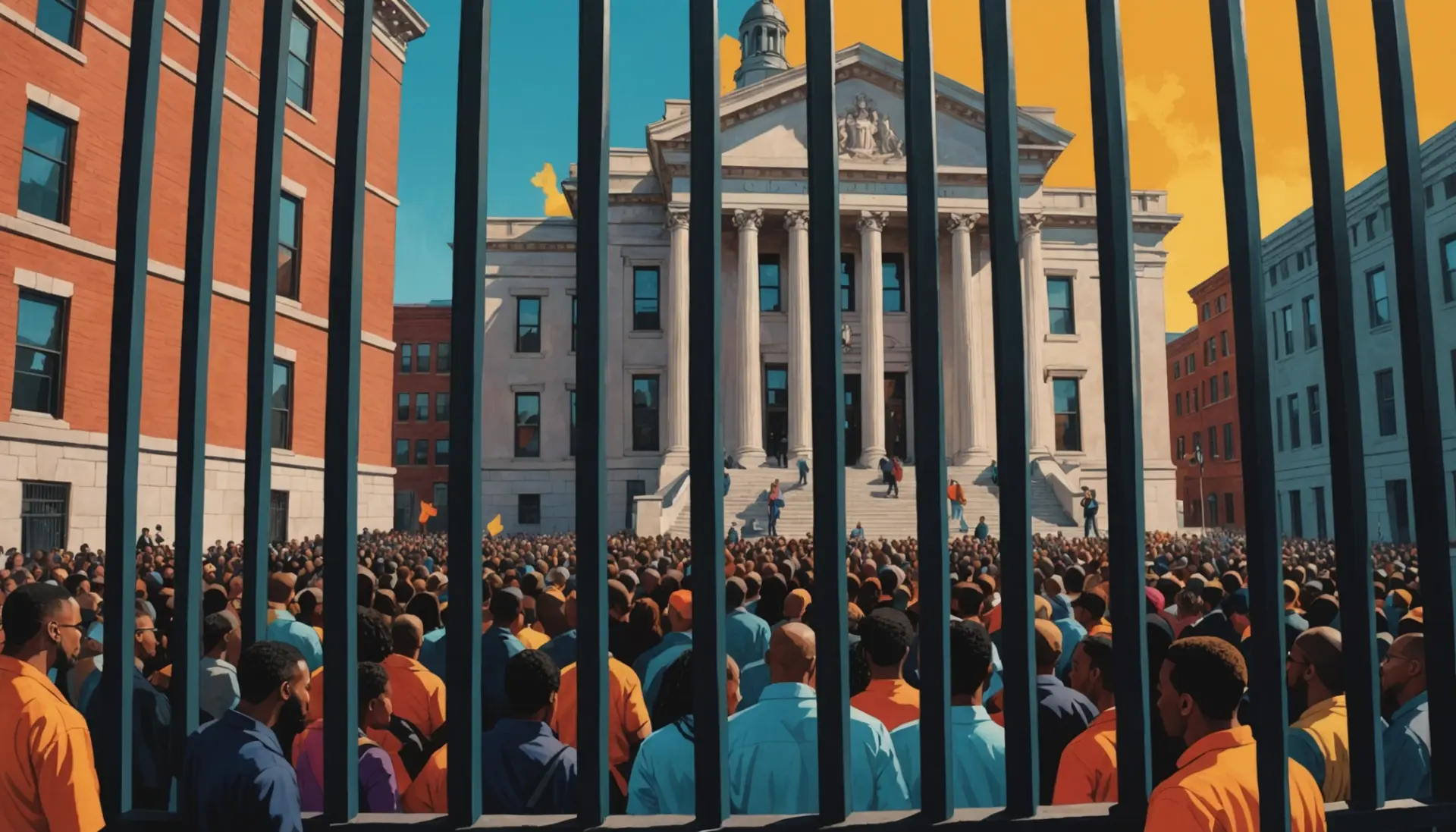

If you asked someone, “what does life without parole mean”, you would get a mix of legalese and horror stories. The phrase is a blunt, heavy one, and people toss it around on social feeds and in true crime threads like it is shorthand for finality. But the legal reality, and the cultural meaning, are more specific and messier than a meme or headline suggests.
Table of Contents
What Does Life Without Parole Mean? The Legal Meaning
At its core, asking “what does life without parole mean” is asking whether someone will ever leave prison. The legal answer is pretty short: it is a sentence where the person is given life in prison but is not eligible for parole, meaning no supervised early release. It usually means they will spend the rest of their natural life behind bars unless something extraordinary happens, like a commutation or pardon.
That sounds simple, but American states and countries use different labels for similar ideas. Some places call it LWOP. Others impose life sentences with the possibility of parole after a set number of years. So the term is less a single universal rule and more a category of punishment with the same endgame: no scheduled second chance.
What Does Life Without Parole Mean? How It Actually Works
Practically, a life without parole sentence removes the parole board from the equation for that individual. Once the court hands down the sentence, there is no scheduled review that can send the person home early. That is different from a life sentence with parole, where someone might be eligible for release after decades.
There are exceptions though. Governors can commute sentences, legislatures can change laws, and courts can overturn convictions. The U.S. Supreme Court has also limited certain uses of life without parole, especially for juveniles. See Miller v. Alabama on Wikipedia for one influential example of that judicial limit.
Everyday Usage and Examples
People use the phrase both technically and casually. On Twitter or in a group chat someone might write, “He got life without parole, bro. That man is done.” In that sense, it functions like slang shorthand for total loss of freedom. But in a legal conversation someone might clarify, “Life without parole means no parole, but parole boards still exist for others.” Context matters.
Example convo: “A: Did you hear about the sentence?”
“B: Yeah, life without parole.”
“A: So no chance ever?”
“B: Pretty much, unless something crazy happens.”
In newsrooms and true crime podcasts, the phrase gets repeated a lot because it signals severity. Shows like Orange Is the New Black and podcasts like Serial have made lines about life sentences stick in pop culture. People pick up those turns of phrase without always knowing the exact legal mechanics.
Alternatives, Variants, and Legal Nuance
Okay so, not all life sentences are the same. Some places have parole eligibility after 15, 20, or 25 years. Others impose consecutive life terms to keep someone behind bars longer. Then there are sentences labeled “life” that are functionally set-term sentences in other countries. The phrase “life without parole” is a specific cut inside that mess.
There are also political and human debates around it. Critics call it a virtual death sentence that removes hope and rehabilitation incentives. Supporters argue it protects the public and delivers justice for the worst crimes. Both sides use the phrase “what does life without parole mean” as shorthand in slogans, op-eds, and legislative fights.
Famous Cases and Cultural Moments
Some real cases shaped public understanding of the phrase. The Supreme Court decisions around juvenile sentencing, like Miller v. Alabama on Wikipedia, made headlines and altered sentencing rules. High-profile defendants who receive life without parole often become anchor points in debates over mercy, rehabilitation, and punishment.
Documentaries and songs also mention LWOP. Rappers sometimes reference life without parole in tracks about street life and justice, and activists use it while campaigning for sentencing reform. That cross-pollination between law and culture is why the phrase lives both in court opinions and in late-night tweets.
Quick Wrap-Up
So, to loop back: “what does life without parole mean” is a question with a direct legal answer and a lot of emotional weight. It usually means the convicted person will not be eligible for parole and is likely to spend the rest of their life in prison unless clemency or legal reversal occurs.
If you want a quick legal definition of parole itself, Merriam-Webster is solid: parole definition. And for the broader legal history and differences between systems, check out the general overview on Life imprisonment on Wikipedia.
Want more slangy legal terms and how people actually use them online? Peek at our takes on parole meaning and life sentence meaning. Also, for other courtroom-y slang check legal slang.
Final thought: the phrase is not just legal. It carries the vibe of finality in pop culture, and that is why people keep asking, “what does life without parole mean” when they want the short, brutal version of a sentence. The short brutal version is true, but the longer, complicated version is just as important.