


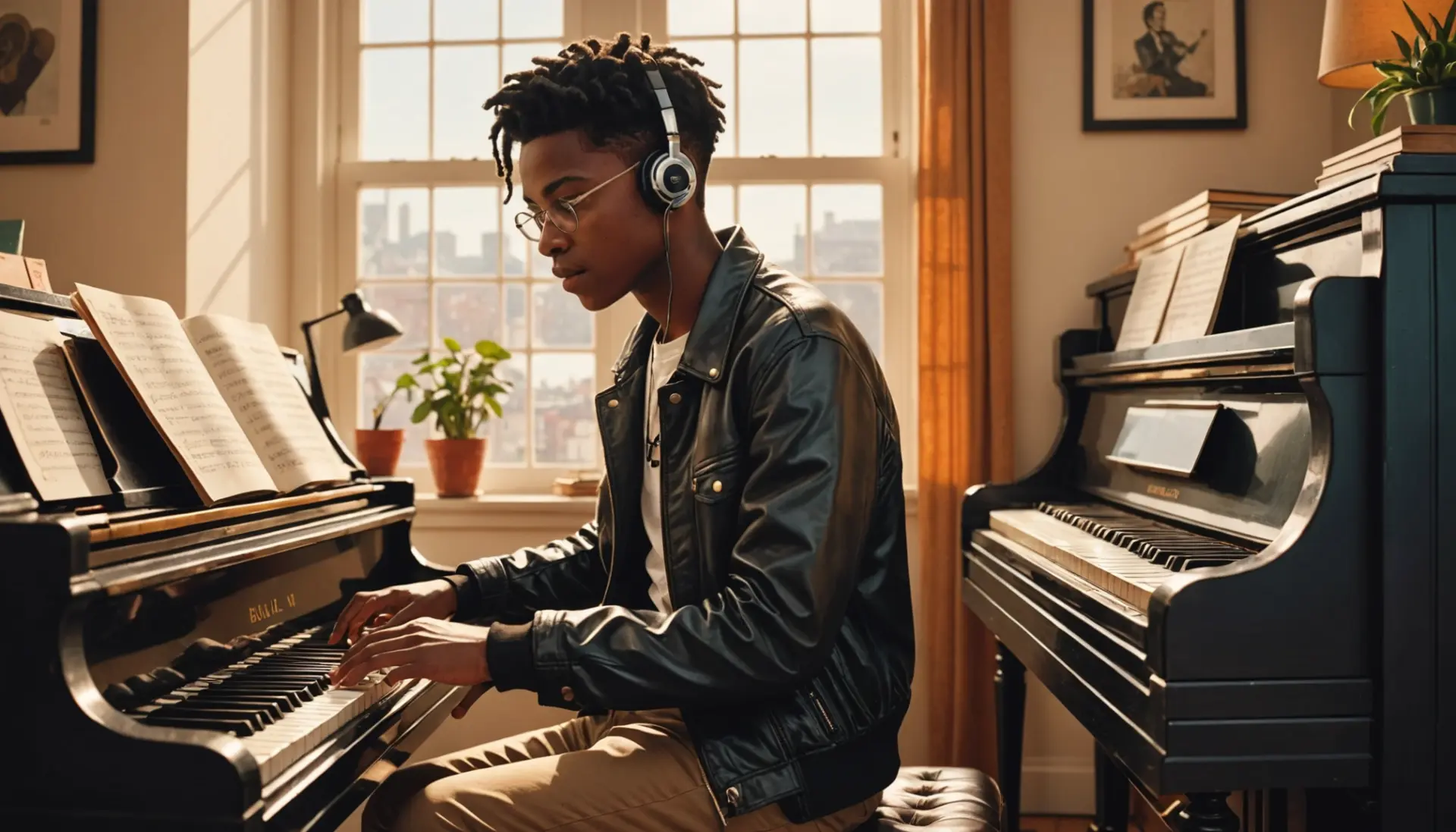

Intro: Quick note
pianoforte slang meaning is a phrase you might hear if someone is being playful about music, or flexing with old-school musical vocabulary. Honestly, it sounds fancy. Sometimes it is, sometimes it is just an affectation that makes people go “wait, are you being extra?”
This post looks at how folks actually use pianist vocabulary in casual talk, the history behind the word, and how you can drop it without sounding like a formal concert program. Expect examples, real lines people have said, and a few cultural nods, like how classical memes treated the piano in the early 2010s.
Table of Contents
What Pianoforte Slang Meaning Actually Is
When people ask about pianoforte slang meaning they usually want to know whether this is a new Gen Z term or just old music-talk rebranded. The short answer: it is mainly just music jargon leaking into casual speech. Some people use it to mean “piano” in a jokingly formal way, others use it to suggest softness or subtlety because of the roots of the words piano and forte.
So no, it is not a dramatic new insult or code word. It is a linguistic flex. Picture someone captioning an Instagram photo of a dusty upright piano with “pianoforte aesthetics,” and you get the vibe.
History and Origin
The term pianoforte originally namechecks the instrument we now usually call the piano. It comes from Italian piano e forte, meaning soft and loud, referring to the instrument’s dynamic range. If you want a reliable source that explains the origin, check the piano page on Wikipedia and the Merriam-Webster definition of pianoforte here.
Because the old name sounds formal, people started using pianoforte as stylistic slang in certain circles. Think conservatory students texting friends, vintage music gear collectors, or ironic aesthetic accounts on Tumblr and Instagram that live for classical nouns.
How to Use Pianoforte Slang Meaning in Conversation
Drop pianoforte if you want to sound theatrical or vintage. For example, instead of “I play piano,” you could say, “I dabble on the pianoforte.” It reads as intentionally old-fashioned, like quoting a Victorian program blurb. People do this playfully, to be humorous or to signal they know their musical history.
Another angle is the adjective use. Saying something is “pianoforte energy” usually means low-key but emotionally resonant, as if the thing is quietly powerful, not loud. Use it sparingly. Overuse makes it sound try-hard, and people will call you out for swapping modern slang for museum labels.
Real Examples
Okay so here are some real-feeling ways people use the phrase, both sincere and meme-y. I pulled together lines that mimic actual DMs, captions, and tweets you might see.
“Got my hands on an old Steinway, time to serenade on the pianoforte tonight.”
“Low light, candles, pianoforte energy. Romantic but make it vintage.”
“My roommate calls it a piano, I call it a pianoforte. Quality debate.”
See? Most of the time people use it to be cute or ironic. Sometimes it’s a status move. If someone says “pianoforte,” they might be signaling musical seriousness, or they might be memeing aesthetics from classical TikTok videos.
Cultural Notes and Where Youll Hear It
If you hang around classical musicians, music students, or vintage instrument sellers, youll hear pianoforte more often. The word pops up in liner notes, auction catalogs, and old-school conservatory programs. It also surfaced in various online memes during the early 2010s when Tumblr rehashed classical imagery into hipster content.
For broader context on how musical terms enter popular speech, look at how “forte” has a Webster entry and long usage history here. Also the cultural migration of musical terms is well documented on Wikipedia’s music pages Music.
Misunderstandings and Mistakes
A common mistake is thinking pianoforte equals delicate or weak. No, pianoforte literally references both soft and loud. People who call it only “soft” are simplifying the etymology. You can correct them, or you can enjoy the shorthand and keep scrolling.
Another hiccup is pronunciation-based flexing. Saying pianoforte with exaggerated formality is a known move to one-up someone in a music-nerd convo. If you do that at an open mic, expect eye-rolls. If you do it in a caption, expect likes. Different platforms, different currency.
Final Thoughts
If someone asks you about pianoforte slang meaning, tell them it is less a hard slang term and more a cultural badge. It signals classical knowledge, a vintage aesthetic, or purposeful pretension. Use it, if you like the sound of it. Use it, if you want to be gently ironic.
To actually drop it in convo, try a small homework line first. Say: “I play the pianoforte” in a friendly setting, see reactions. Chances are, someone will laugh, someone will correct you, and someone will double-tap your post. That is all part of the fun.
Further reading and links
- Basics of the instrument and history: Wikipedia: Piano
- Dictionary definition and pronunciation tips: Merriam-Webster: pianoforte
Also check related slang entries on SlangSphere for extra context: bogart slang meaning, rizz slang meaning, and aesthetic slang meaning. These pages talk about how niche culture words migrate into casual talk.
Quick usage cheat-sheet
- To sound vintage: “I tinker on the pianoforte.”
- To meme a vibe: “pianoforte energy.”
- To sound pretentious on purpose: “This table belonged to an old pianoforte maker.”
Want more examples or a thread on how classical words become street slang? Hit me up in the comments on SlangSphere, or slide into the DMs with your favorite piano meme. Ngll, I want to hear the best pianoforte caption you saw this month.