


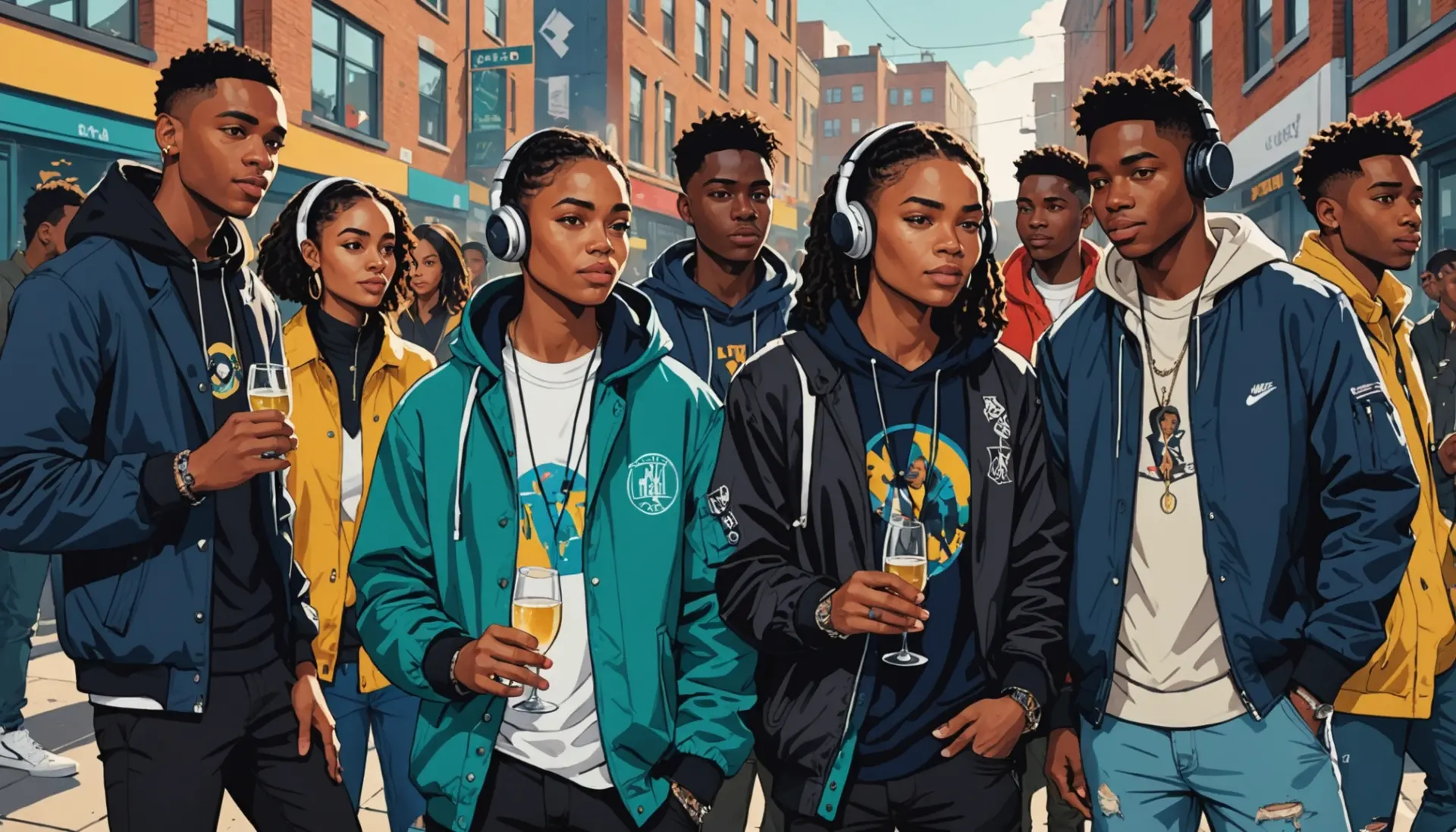

slang used by a particular class is less about a dictionary of words and more about who gets to belong, who gets excluded, and the tiny power plays in everyday chat.
Table of Contents
slang used by a particular class: What It Means
When people say slang used by a particular class they mean vernacular that signals socioeconomic background, education, or cultural capital.
Think of it like an accent made of words and references. It tells you whether someone grew up in a manor or a housing estate, whether they went to a grammar school or dropped out and became a barista poet.
Why Class-Based Slang Forms
People build slang around class because language is social currency. If your words show you share the same playlists, private schools, or career paths, people trust you faster.
There are practical reasons too. A group might invent shorthand for their daily life, or for things they want hidden from outsiders. It is efficient, and it carries pride, sometimes quietly, sometimes loudly.
Examples of slang used by a particular class
Examples make this less abstract. In the UK, phrases like “top hole” or certain posh pronunciations can mark upper-class schooling, while regional working-class slang might include heavy use of local idioms and nicknames.
In the US, ‘investment baby’ shorthand or certain finance bro lingo like ‘alpha’ or ‘carry trade’ gets used casually to flex status in private groups. That counts as slang used by a particular class, even if it sounds like normal talk to people inside the circles.
Here are a few concrete conversational examples, honest and ungilded: someone at a house party might say, “We did the Champagne run,” and everyone nods, knowing they mean a specific grocer near the country club. Or at a rooftop bar a guest jokes, “He’s peak private-school energy,” and you instantly understand the stereotype being evoked.
On TikTok and meme threads, you also see working-class humour reclaiming words, or turning elite phrases into parody. Check how the internet riffed on “rizz” or corporate jargon, and you get a playbook for how slang shifts across classes (see Rizz meme).
How It Works in Conversation
Class slang shows up in tiny moves. A cadence, a brand dropped casually, a restaurant named in passing, a school acronym thrown in like a joke.
Example exchange: “Are you coming to the pre-drinks at A’s? They pitched in for the sommelier.” “Oh nice, proper bougie night.” That exchange uses slang used by a particular class to both describe and judge.
Another real-world line: “You can’t say that in the client meeting, that’s very city-slicker phrasing.” Short, brutal, and again, a class marker at play. People use these cues to calibrate tone, trust, and even invitation status.
Social Effects and Backlash
Language like this can be bonding, but it can also gatekeep. When slang used by a particular class goes mainstream, it can either democratize the term or strip it of its identity value.
Sometimes the backlash is viral. A celeb uses a niche phrase, everyone copies it, and suddenly the original group’s private badge loses meaning. Other times, appropriation stings more: imagine a luxury brand taking working-class slang to sell a product. People notice.
For history nerds, this is nothing new. Sociolinguists map these cycles carefully, see sociolect for a primer. Merriam-Webster also has solid definitions on what ‘slang’ means if you want the lexical baseline (Merriam-Webster).
How to Respond or Use It Without Being Clumsy
If you want to use slang that feels tied to a class, do it with humility. Observe. Mirror first, then try. Mistakes sound performative, and people call that out fast, honestly.
Another rule: context matters. Wearing the slang to mimic someone is different from borrowing a term after you understand its history. Listen for tone, watch who laughs, watch who winces.
Practical tip: if a coworker says something that feels like class-coded slang, and you are unsure, you can ask casually: “Hey, what’s that mean?” Most people explain instead of gatekeep, but a few will test you. It is okay to say you did not get it.
Wrap-Up: Why This Matters
slang used by a particular class tells us tiny cultural stories. It reveals what groups value, what they hide, and how social power gets reproduced in chat, memes, and dinners.
Language shapes belonging, and belonging shapes language. So next time someone drops a phrase that sounds like a secret handshake, notice it. Ask about it. Or just enjoy the lyrical weirdness of how humans code status into two or three words.
If you want to compare this with other slang phenomena, we have deep dives on related tags like rizz, delulu, and bogart slang meaning on SlangSphere.