



Introduction
what does dunce mean is the question people ask when they hear someone called a dunce in a classroom roast or a spicy group chat. Honestly, it sounds like vintage schoolyard slang, but the term has layers, a weird history, and a kind of staying power.
If you want the short version, dunce started as an insult for slow learners and ended up as a cultural image: think caps, cartoons, and memes. But the backstory is a little stranger, and the social angle matters now more than ever.
Table of Contents
what does dunce mean: Origin and Definition
At its core, the phrase what does dunce mean is asking for a definition: dunce traditionally refers to someone perceived as slow to learn, dull, or lacking common sense. It is a blunt insult, usually aimed at intelligence or quickness of thought.
The origin is oddly academic. The term links back to the medieval philosopher John Duns Scotus and his followers, called Dunses or Dunsmen. Over time, English speakers turned the name into a synonym for someone stubbornly stuck in old ways, and by the 17th and 18th centuries, dunce meant a dull scholar. The Merriam-Webster entry traces that arc neatly.
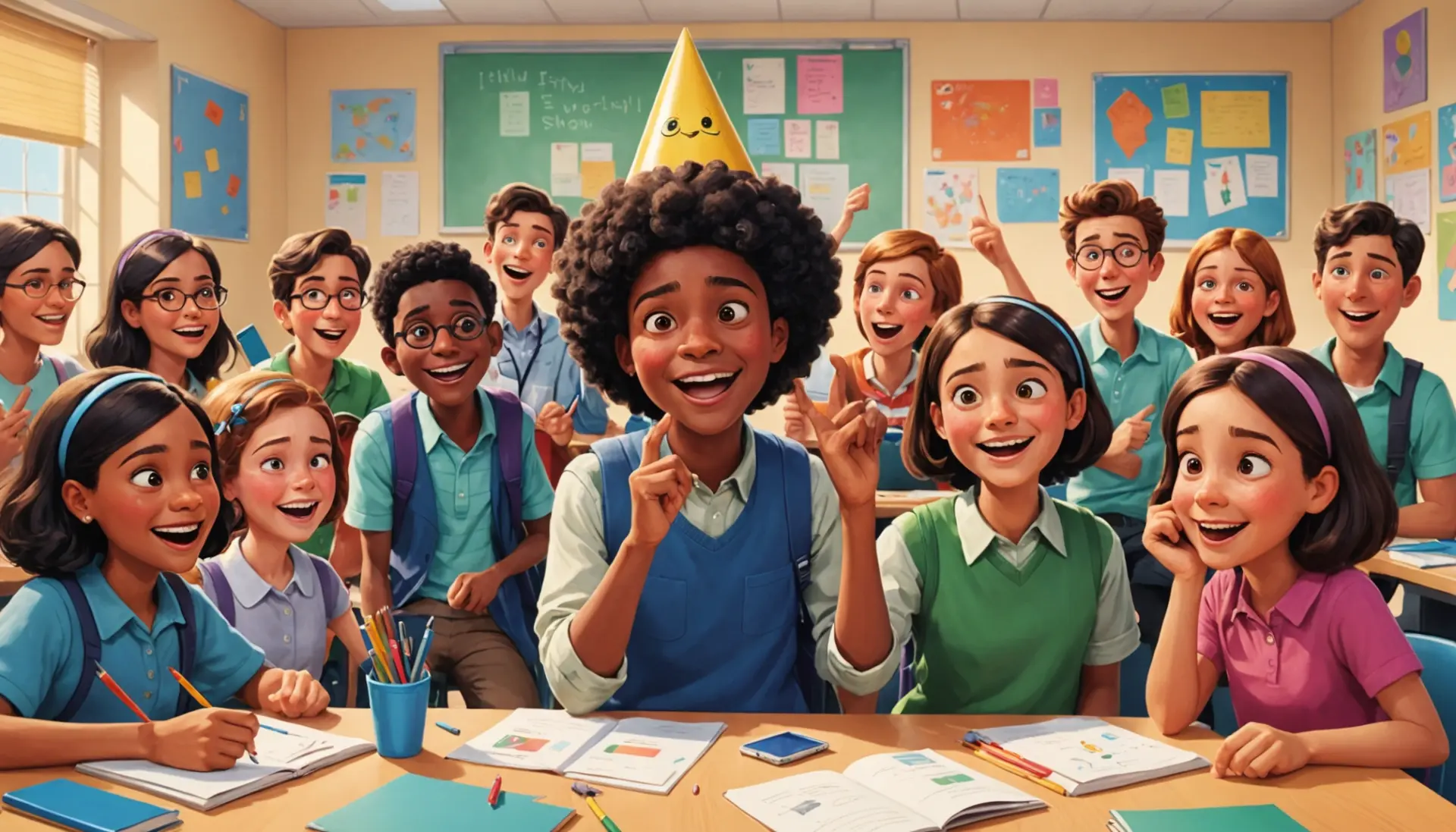
Iconography sealed the idea: the dunce cap, a pointed hat put on misbehaving or slow pupils, became a visual shorthand. If you want a deep dive on the cap and its depressing school history, Wikipedia has a useful overview.
what does dunce mean: Modern Usage and Memes
Now, how people use the word matters. Ask what does dunce mean and you get two main camps: the insulters and the jokers. Online, dunce is tossed around casually. A friend forgets their keys and someone replies, “Nice move, dunce.” It’s playful if everyone agrees on the tone, mean if they don’t.
Memes revived the dunce imagery. People still post vintage photos of kids in dunce caps, but the format is often ironic or self-deprecating. You might see a Twitter or TikTok clip captioned, “me after I realize I left my coffee on the roof,” followed by someone calling themselves a dunce for the laugh.
If you want a take on how dunce has been memed lately, sites like Know Your Meme catalog some of the formats and their histories. The word functions as both old-school burn and playful jab, depending on context.
Examples: How People Actually Say It
Want concrete lines? Good. Real speech helps because tone is everything. Here are conversational examples that show the range of use.
“Bro, what does dunce mean? You left your phone in the Uber again? You complete dunce.”
“Don’t be a dunce, read the group chat. We said 7 pm, not 9.”
“I’m such a dunce for forgetting my lunch, ngl.”
Notice how the same term can be mocking, corrective, or self-deprecating. The first two are external uses, aimed at someone else. The third is a self-flagging joke, which softens the sting.
In classroom or older films and cartoons, dunce is blunt. Think of that classic cartoon gag: student in a dunce cap, eyes downcast, while the teacher lecterns. SpongeBob even has a playful episode riffing on school humiliation, which shows how the image stuck in pop culture.
Etiquette and When Not to Use It
Okay, so should you call someone a dunce? Short answer, be careful. The word implies a deficit in intelligence, and that can sting, especially to people with learning differences. If you are ribbing a close friend who loves banter, the word might land fine. With coworkers, strangers, or about sensitive topics, it can be cruel.
Also, humor has changed. Jokes that used to be standard in classrooms are now criticized for being shaming. If the goal is to correct behavior, consider saying something specific: “You missed the deadline” beats calling someone a dunce. Specific feedback works better than vague insults.
And yes, context matters a lot. A meme calling yourself a dunce is different from tagging someone in a public thread and calling them one. Tone, intent, and audience decide whether it’s funny or toxic.
Alternatives and Synonyms
If you want softer or sharper options, language has plenty. Use “clueless” or “dense” for mild digs. Use “uninformed” or “mistaken” when you mean someone got facts wrong. For playful self-talk, try “silly” or “goof” instead of dunce.
Picking the right word signals whether you want to tease or to attack. Try swapping in a phrase like “that was forgetful” and see how the conversation shifts. Words shape the vibe instantly.
Conclusion and Quick Recap
If you asked what does dunce mean, you now have the social map: a historical origin in medieval scholasticism, a visual legacy in dunce caps, and a modern life as both insult and meme. The term carries baggage. It is short, memorable, and a little mean.
Use it sparingly, and be mindful. When in doubt, choose a clearer phrase. Want to compare dunce to other slang? Check out related slang takes like rizz or cultural roasts like bogart. For playful self-commentary, you might prefer something trendier like delulu.
Final thought: words that once shamed whole classrooms are now meme fuel, but the human effect is still real. So ask again, but with a filter: what does dunce mean, and is that what you really want to call someone?
Sources and further reading: Merriam-Webster: dunce, Wikipedia: Dunce cap, Know Your Meme.