



Introduction
What is a text set is the question teachers, students, and even meme-loving librarians ask when planning lessons or curating reading for a unit. Honestly, it sounds nerdy, but text sets are one of those small pedagogy moves that quietly fix a lot of problems: engagement, context, and critical thinking. If you teach, tutor, or find yourself on TeacherTok, you have probably seen the phrase pop up in captions and syllabi.
Table of Contents
What Is a Text Set? Definition and Basics
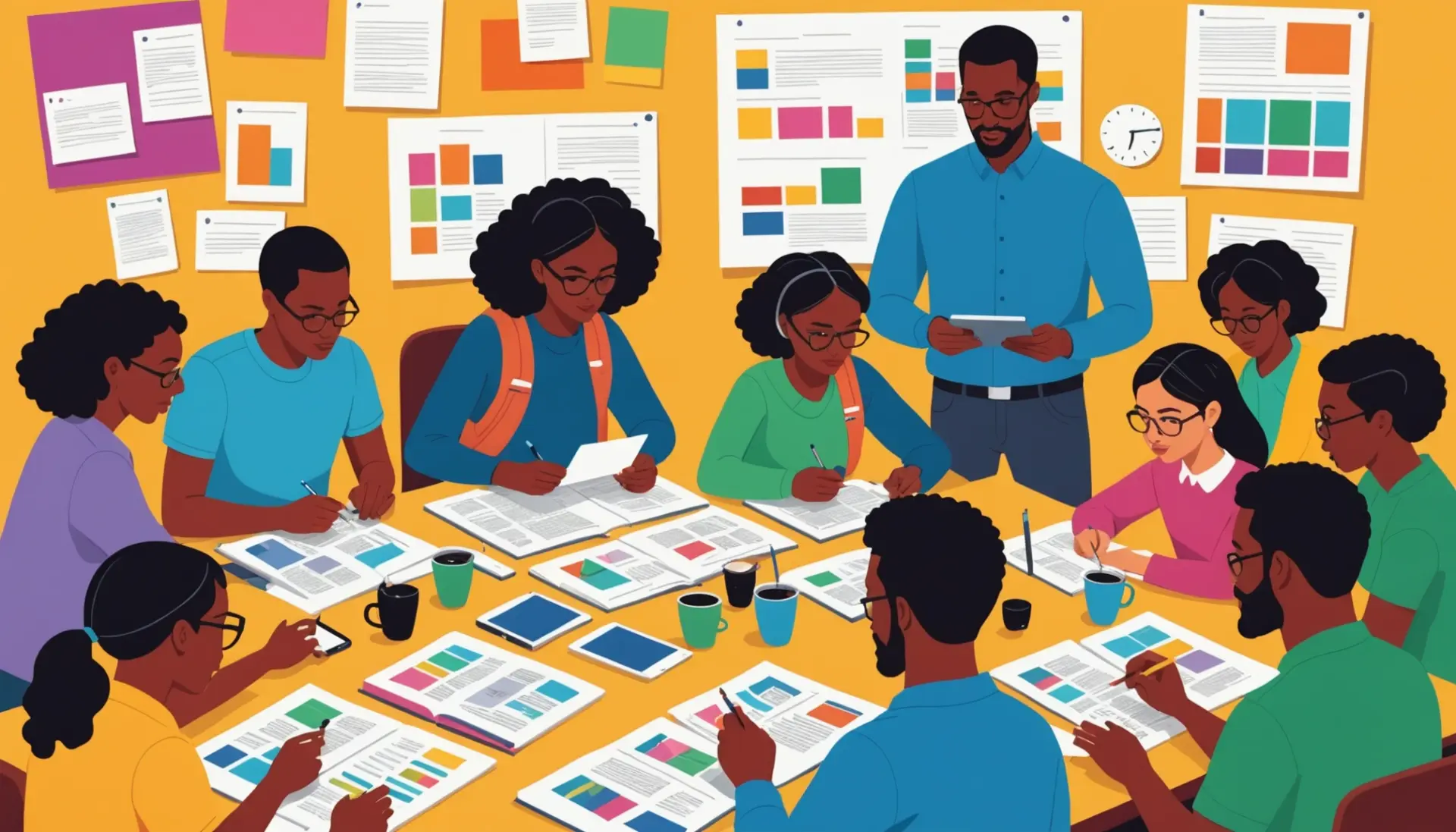
At its simplest, what is a text set means a curated collection of texts grouped around a theme, topic, or question. Texts can be anything: articles, poems, podcasts, TikTok videos, infographics, speeches, book chapters, even political cartoons. The point is variety and purposeful pairing so learners can compare perspectives and build background knowledge.
Teachers use text sets to scaffold complex ideas. Instead of tossing a single dense article at students, they offer layered materials that range from entry-level to challenging. This helps with close reading, discussion, and linking disparate media—think primary source next to a modern op-ed and a short documentary clip.
Why What Is a Text Set Matters in Classrooms
Why does what is a text set matter? Because reading rarely happens in isolation. Our brains make meaning by connecting things. A single text can be useful, but a set creates context. It invites comparison, synthesis, and those light-bulb moments that show up when a kid realizes how one author frames a topic differently than another.
Common Core and AP-style inquiry models push for cross-text analysis, and text sets line up perfectly with those requirements. If you want students to write a nuanced argument or lead a Socratic seminar, they need multiple entry points into the topic. That is the practical value of a text set.
How to Build a Text Set That Actually Works
Okay so how do you build one without losing your mind? Start with a guiding question. That question is the spine. Next, choose 5 to 10 texts that vary by complexity, perspective, and medium. Mix in something short and viral, like a TikTok or meme, to hook attention, then scaffold toward denser material.
Think about accessibility. Include translations, audio versions, and images when you can. Pair a challenging academic essay with a clear explainer or a relevant podcast episode. If you want a concrete template, ReadWriteThink has plans and suggestions that teachers swear by ReadWriteThink: Making Text Sets.
Real-Life Examples and Conversation Uses
People use the phrase casually now. On Twitter or X you might see a teacher post, “Making a text set on climate change for 9th grade—need a good kid-friendly source on sea-level rise.” Or someone on TeacherTok will say, “My AP Lang text set has Baldwin, a NYT op-ed, and a viral Vine clip about language—wild combo but it works.” Those are actual lines I have seen.
Teacher A: “Can you send me the text set for next week?”
Teacher B: “Yeah, I have the TED Talk, two articles, and a short story uploaded to Canvas.”
Students say it too. A student might complain, “Ugh, this text set is huge,” or brag, “Our text set totally helped my paper—so many sources to pull quotes from.” The phrase functions as shorthand for the whole bundle of materials assigned for study.
Common Mistakes People Make with Text Sets
One mistake is treating a text set as a pile of random readings. Purpose matters. I have seen teachers paste ten articles together and call it a text set. That is not a text set. It is an assignment with poor curation. A true text set is intentionally sequenced to build knowledge or push analysis.
Another misstep is complexity mismatch. Either everything is too easy or everything is unapproachable. Balance is the vibe you want. Mix short, scaffolded pieces with one or two challenging texts that demand more support.
Further Reading and Resources
If you want deep-dive practical guides, Reading Rockets offers teacher-friendly strategies that explain why text sets improve comprehension Reading Rockets: Building Text Sets. For classroom-ready lessons and templates, check ReadWriteThink again ReadWriteThink lesson plans. For some theory on what we mean by text and texts, the Wikipedia entry on text in literary theory is a decent primer Text (literary theory) on Wikipedia.
Also, if you like seeing how the slang or educational jargon morphs online, peek at TeacherTok or #textset posts. You will find creative, low-cost resources and a few micro-assignments people reuse.
Final Thoughts
So, what is a text set? It is a deliberate collection of varied materials centered on a question or theme, designed to help learners connect, compare, and create. Not just a stack of PDFs. Not a random reading list. A curated pathway toward understanding.
If you are a teacher, start small. Build one text set a semester and iterate. If you are a student, ask your teacher for the text set so you can see the scaffolding. And ngl, librarians are the unsung heroes here. Ask them for help—most love the nerdy curation work involved.
Want more slang and culture breakdowns? Check related takes on text slang meaning and the vibe of social shorthand in pieces like rizz. These will help you see how language and pedagogy borrow from one another across platforms.