



Intro
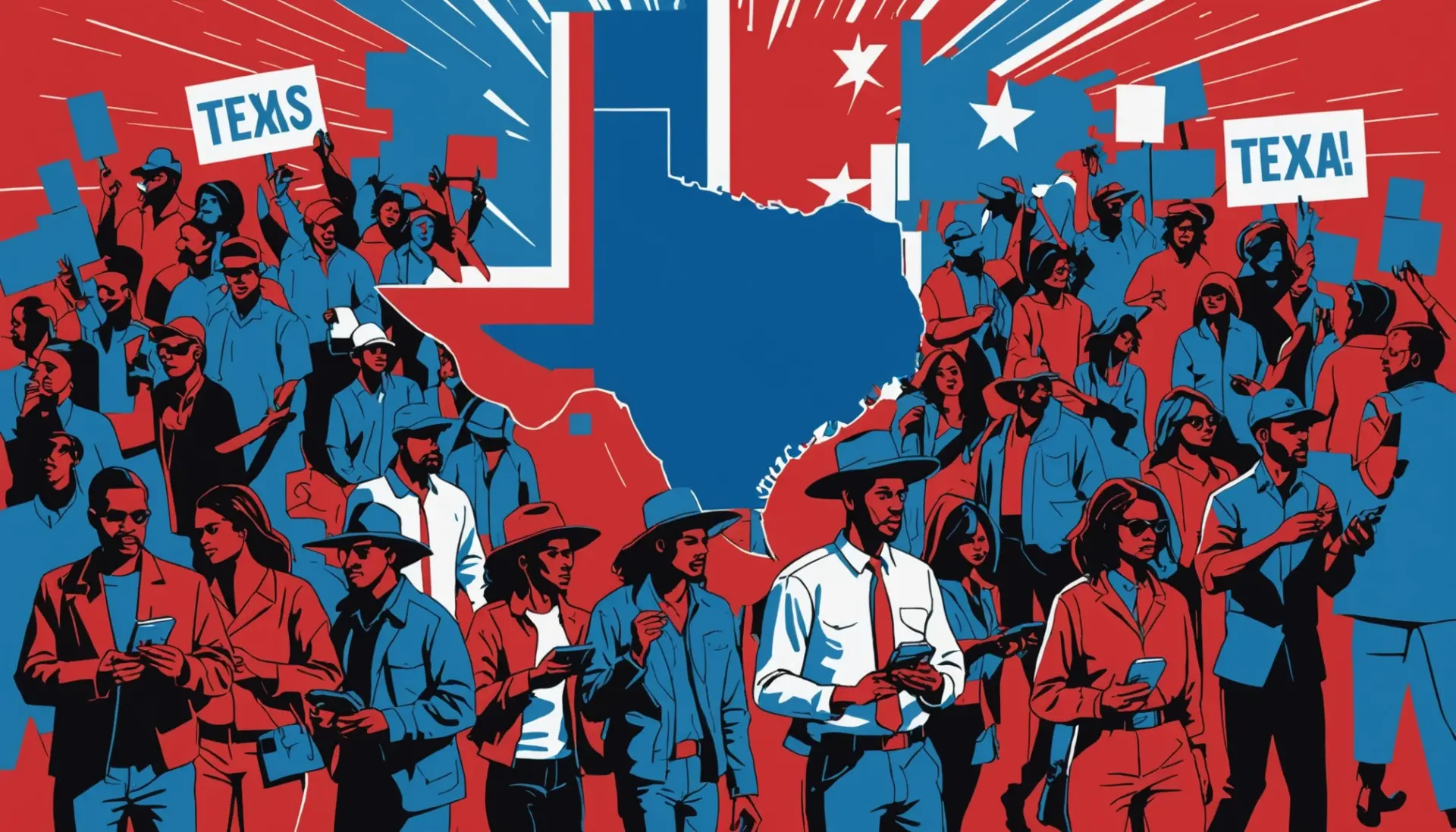
what does it mean for texas to be blue is the exact phrase people type into Twitter after every narrow election night, and for good reason: it carries policy meaning, cultural weight, and a lot of internet flexing. Okay so, quick truth: “blue” in U.S. political slang means the Democratic Party. But when someone asks what it means for Texas to be blue, they are asking about a practical shift, not just a color swap.
In this post I’ll unpack the phrase, give context on why folks care, and show real ways people use it in conversation. I promise no boring academic wall of text. Short paragraphs. Actual examples. A little snark. Let’s go.
Table of Contents
What Does It Mean for Texas to Be Blue? Definition
When someone asks what it means for Texas to be blue, they usually mean one of two things: either Democrats win statewide or the state reliably votes Democratic in presidential elections. Those are related but not identical outcomes.
Blue as shorthand equals Democratic control. That could mean the governor, both Senate seats, or the state in the Electoral College flips. It could also mean sustained legislative gains in Austin so policy actually changes on the ground.
Why the specificity? Because politics is messy. A state can vote Democratic for president but still have a Republican governor, or vice versa. So the phrase carries ambiguity, and context matters.
What Does It Mean for Texas to Be Blue? History and Trends
Texas wasn’t always red. For much of the 20th century it was a Democratic stronghold, then shifted Republican from the Reagan era onward. Recently though, trendlines have shown suburban swings and demographic change making the question what does it mean for texas to be blue more plausible than it felt a decade ago.
Look at 2018, when Beto O’Rourke closed the Senate gap against Ted Cruz and turned a lot of national attention to Texas. Or 2020, when Joe Biden narrowed the margin compared with past Democrats. Those moments are what feed internet takes and the slang usage itself.
If you want data, check sources like Politics of Texas on Wikipedia or demographic breakdowns at the U.S. Census QuickFacts for Texas. The numbers show growth in urban centers and suburbs, plus a younger, more diverse electorate.
Why It Matters
So why is everyone obsessing about the color of Texas? Because the practical stakes are high. If Texas reliably turns blue in presidential elections, it reshapes campaign math for both parties, affecting Electoral College strategies and the attention Texas gets in national debates.
On a policy level, a Democratic shift could change state priorities around voting access, abortion restrictions, healthcare, and energy policy. That matters not just for Texans but for national policy fights, since Texas is a massive economy and cultural influencer.
There’s also symbolic value. For a long time, politics on social media used Texas as shorthand for conservative dominance. Turning that symbol blue would be a cultural headline that fuels memes and late-night monologues.
How to Talk About It Without Sounding Tone-Deaf
First, be specific. If you want to ask whether Texas will vote Democratic for president, say that. If you mean the state government, say that instead. The slang question what does it mean for texas to be blue covers both, so clarity saves you from arguing with strangers.
Second, recognize nuance. Demographics and turnout matter more than exclamation-point tweets. A shift might begin in suburbs and cities, while rural parts stay conservative. That means talking about policy implications, not just aesthetic color changes.
Finally, listen to local Texans. This is not just a hypothetical for people who don’t live there. Local organizing, grassroots turnout drives, and state-level races shape outcomes more than national punditry.
Real Examples: How People Say It
Examples help. Here are realistic ways you’ll see the phrase used online and in conversation.
Friend group chat: “So what does it mean for texas to be blue? Do we get federal voting reps or just a vibe?”
Tweet: “If Texas goes blue in 2028 I am buying all the taco emojis. #BlueTexas”
Conservative op-ed reply: “As if Texas would ever go blue, what does it mean for texas to be blue? Lul.”
Those are actual flavors of usage: joking, earnest, dismissive. The phrase functions as shorthand for a bundle of political anxieties and hopes.
Here is a slightly more policy-savvy example: “What does it mean for Texas to be blue in terms of Senate math? It could flip a seat and change committee power.” That one actually maps to real consequences.
Implications and Common Myths
Myth: If Texas votes blue once, it is permanently blue. Nope. Political alignment can be fickle. Look at states that flip and flip back across cycles. Durable change requires demographic shifts plus sustained organizing.
Myth: Blue Texas means instant policy overhaul. Not necessarily. Even with Democratic wins, state legislatures and legal structures can slow or block changes. The pace of actual policy change can be slower than social media expects.
Reality: A blue Texas would be a slow, messy process with big national reverberations. It would affect campaigns, media narratives, and policy debates, even as local politics adapt in unexpected ways.
Further Reading and Resources
If you want a deeper, less meme-driven look, start with demographic and political trend reporting from credible outlets. For historical context see the Wikipedia overview of Texas politics. For population trends, the U.S. Census is useful.
Also worth a click for cultural context is tracking voter turnout and suburban shifts discussed on sites that track elections. If slang and internet culture fascinates you, peek at how phrases like “blue wave” get memed on platforms documented by Know Your Meme.
If you want related reads on SlangSphere, try how slang spreads around politics like blue state meaning and voter phrasing in voter turnout slang. For a cultural angle on suburban shifts, see rural urban shift.
Final Thoughts
To sum up, when you hear the phrase what does it mean for texas to be blue, remember it is shorthand for a complex mix of electoral outcomes, policy changes, and cultural symbolism. People use it casually, sometimes as a meme, sometimes as a strategic question.
ngl, it is a fun phrase to argue about at parties, but if you want real insight, follow turnout data, local races, and demographic shifts. That tells you whether Texas is trending blue or just trending on Twitter for a night.
Want more slang explanations with real political context, not clickbait? Keep scrolling through SlangSphere for stuff that actually sounds like the people you know.