


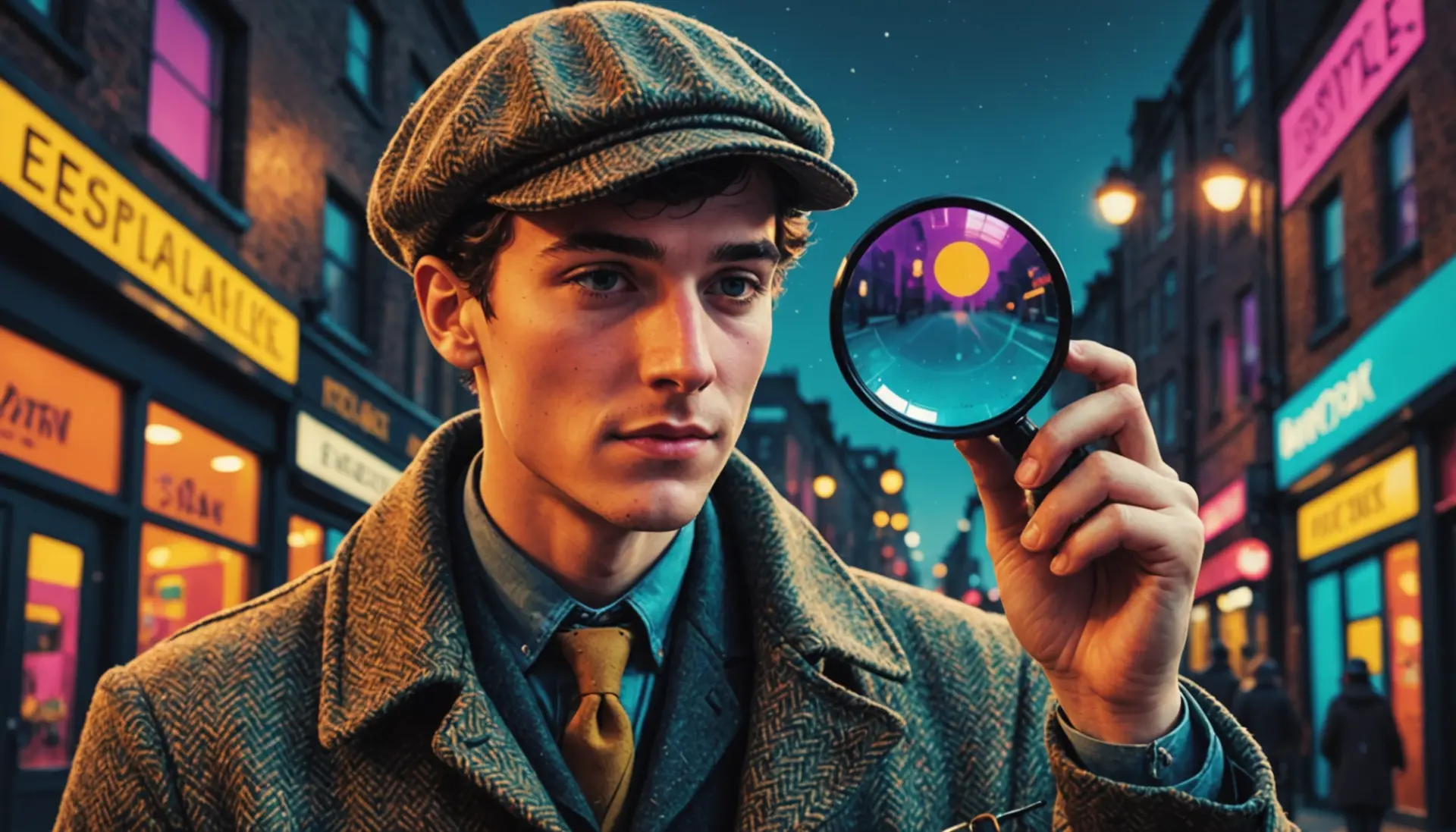

What Does Deerstalker Mean? A Quick, Honest Answer
what does deerstalker mean is the question people ask when someone gets called a deerstalker and it is not about hunting gear. Honestly, the phrase usually points to Sherlock Holmes imagery: the hat, the detective vibe, the whole sleuth energy. But slang twists stuff, and deerstalker has slid into casual speech to mean someone playing detective or snooping.
Okay so this post will cover history, how people use the term today, real examples, and a tiny cheat sheet for using it without sounding like a Victorian novel. Expect references to Sherlock, a couple of memes, and some everyday lines you might hear in a group chat.
Table of Contents
What Does Deerstalker Mean? Origins and Hat History
The literal deerstalker is a cap, two peaks front and back, ear flaps you can tie up, usually made from tweed. It was originally practical hunting headwear in rural Britain, especially for stalking deer, hence the name. That practical use is boring compared to what happened next, ngl.
Sherlock Holmes, as pictured in the late 19th and early 20th centuries, became forever linked to the deerstalker. Illustrators like Sidney Paget drew Holmes wearing that hat and suddenly a rural hunting cap turned into shorthand for detective work. For a deeper read on the hat and its cultural link to Holmes, check the Deerstalker Wikipedia entry and the broader Sherlock Holmes history.
What Does Deerstalker Mean? Modern Slang Uses
In slang, deerstalker often means someone acting like a detective, either admirably or obnoxiously. You might hear it in a roast: “Bro went full deerstalker,” meaning he dug too deep into someone’s past DMs. It can be playful or shady, depending on tone and context.
People also use it to describe outfits, moods, or micro-behaviors. Like, someone creeping through old posts might be said to have put on their deerstalker. It’s shorthand. Quick. Visual. A little cheeky.
How People Use Deerstalker in Conversation
Here are real-feeling examples, not textbook lines. They show how the slang functions in day-to-day talk.
Friend A: “Did you see Sam reading all of Jess’s replies from 2016?”
Friend B: “He really put on his deerstalker, huh?”
That one treats deerstalker like a verb phrase, shorthand for snooping. Another use is more teasing, like below.
Colleague: “I swear she knows where my file is.”
Other: “She’s in deerstalker mode, leave her to it.”
In group chats you might also see it as an adjective. “Stop being deerstalker energy,” meaning stop interrogating. Or, in a positive sense, “Nice deerstalker work,” praising someone who noticed an important detail. Tone decides whether it is kind or petty.
More Casual Examples
Someone on Twitter might tweet: “My mom went full deerstalker and finds my old myspace posts lol.” On Reddit: “OP went deerstalker on the receipts.” See how online language loves compressing phrases. Deerstalker works because it conjures a hat, a magnifying glass, and a dramatic eyebrow raise.
Cultural Moments and Media
Sherlock imagery has shown up everywhere. Benedict Cumberbatch made modern Holmes feel sleek, even though his Sherlock rarely wore a literal deerstalker. The image stuck because older illustrations and Basil Rathbone era films cemented the hat as a symbol.
If you want to see the hat’s pedigree, Merriam-Webster has a concise entry defining the hat and its usage, which helps explain how the literal term became figurative: Merriam-Webster on deerstalker. Also, memes of Sherlock solving simple stuff while wearing a deerstalker helped push the term into ironic slang. KnowYourMeme catalogs many Sherlock memes, which are worth a look for the visual side: Sherlock memes.
Quick Guide: When to Use Deerstalker
Want to use the term without sounding like a parody of Poirot? Keep it casual. Use it when someone is over-focusing on details, snooping, or playing detective in a social situation. It works in text messages, tweets, or IRL teasing. Say it with a laugh or a raised eyebrow.
Avoid calling someone deerstalker in serious contexts, like legal matters or privacy complaints. That flips it from playful to dismissive, and people will not find that funny. Also, avoid using it in professional writing unless you are intentionally cheeky.
Tiny Etiquette Notes
If someone says, “Stop being deerstalker,” they probably mean ‘stop interrogating me or digging up receipts.’ Respect it. If you want to compliment someone for solving a problem, use clearer praise. “Nice sleuthing” reads better for achievements. But when teasing friends, deerstalker is perfectly on-brand.
Final Thoughts
So, what does deerstalker mean in slang? It most often means to be sleuth-like, snoopy, or playing detective, with a wink. The term rides on the visual shorthand of Sherlock Holmes, the hat, and the idea of meticulous observation. Use it casually, keep the tone obvious, and enjoy the vintage-meets-meme energy.
If you liked this explainer, you might enjoy reading about other slang that crossed over from culture, like rizz meaning or the term delulu meaning. Or brush up on classic verb-eponyms at bogart slang meaning for more slang history vibes.