



Intro: Why this phrase matters
What does false imprisonment mean is a question a lot of people type into Google after seeing a viral video or reading a headline about someone being detained without consent.
Honestly, the phrase pops up in casual convo way more than you think: friends arguing about a bouncer, TikTok clips of shop altercations, or that one true crime thread that blows up every weekend.
So yeah, this is legal talk getting dragged into everyday life, and that mismatch causes confusion and memes alike.
Table of Contents
What Does False Imprisonment Mean? The Legal Definition
Okay so, what does false imprisonment mean in plain English: it is the unlawful restraint of a person against their will, without legal authority.
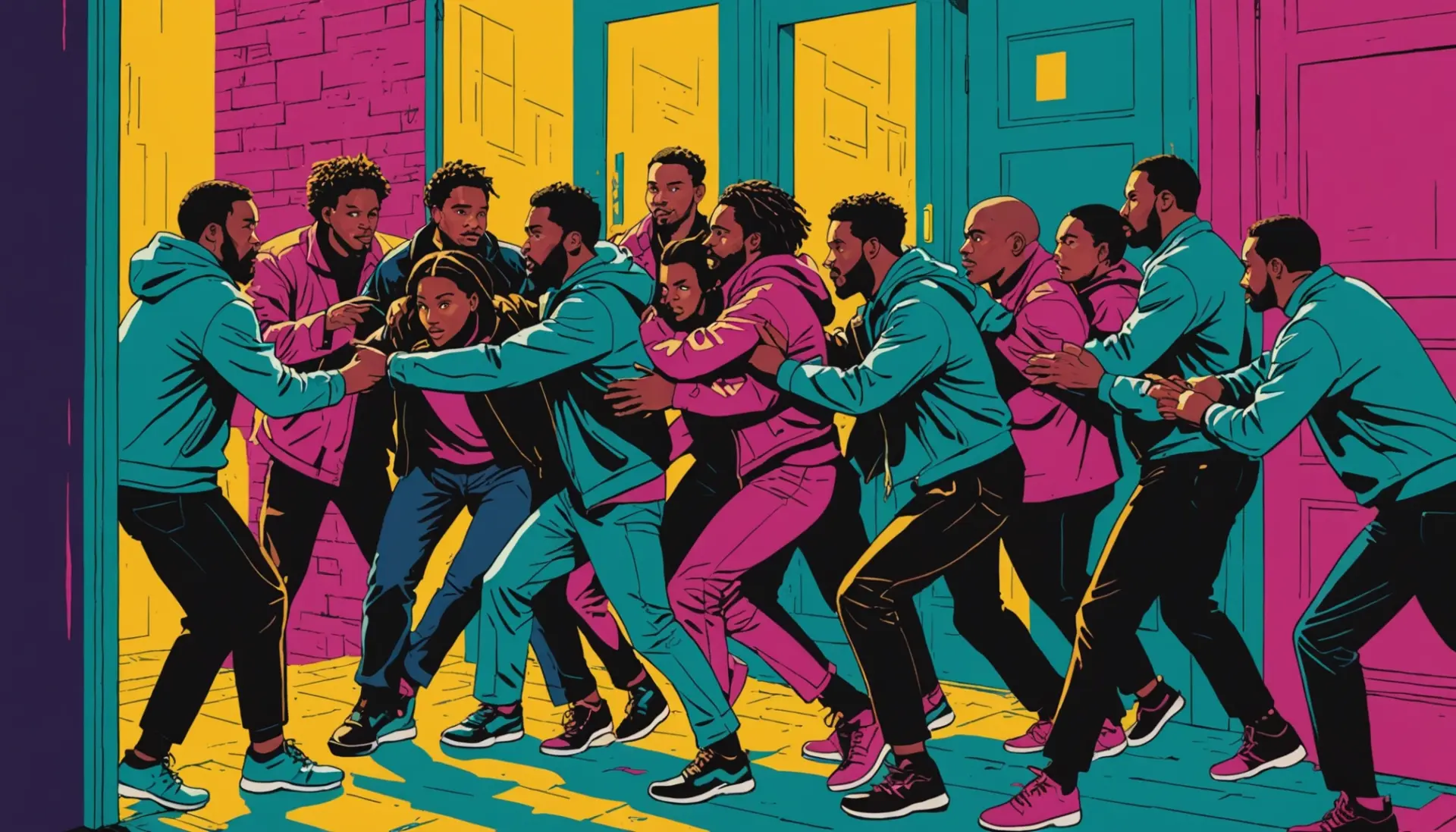
That could be locking someone in a room, physically holding them, or even using threats to stop them from leaving; the key is lack of consent and lack of legal right to detain.
For a deeper legal breakdown, reliable sources like Wikipedia and the Legal Information Institute have good writeups that lawyers and journalists often cite.
What Does False Imprisonment Mean? Real-Life Examples
Examples help this stick. Imagine a store worker physically blocking the exit because they suspect shoplifting but have no legal basis to detain the customer, that can be false imprisonment.
Or a friend who corners you in a car and refuses to let you out, even after you say you want to leave, that can also be false imprisonment.
People type “what does false imprisonment mean” after watching viral clips of bouncers or security guards who clearly overstep. Trust me, social media made this phrase trend during a few high-profile detention videos.
How Is It Charged: Criminal vs Civil
So how does the law treat it? There are two main routes: criminal charges and civil lawsuits.
On the criminal side, prosecutors might bring charges if intent and unlawful detention are proven, possibly leading to fines or jail time depending on jurisdiction.
On the civil side, a person who was wrongfully detained can sue for damages like emotional distress, medical bills, or lost wages. Both tracks can run at the same time.
Common Misuses and Slangy Confusion
People confuse false imprisonment with kidnapping, assault, or just being rude. They ask “what does false imprisonment mean” when they really mean “is this kidnapping?” or “can security hold me?”.
Ngl, the term sounds dramatic, like something out of a courtroom drama. So people overuse it in gossip and social media captions, tossing it whenever someone is temporarily held or delayed.
Memes and clips often reduce the legal nuance to: if someone stops you from leaving, it is false imprisonment. That is sometimes true, but the legal bar is specific, and courts look at consent, authority, and reasonableness.
How to Respond If You Think It Happened
If you feel unlawfully detained, prioritize safety first: stay calm, record if you can, and ask clearly to be let go.
Say things like “I do not consent to being detained” out loud, but be cautious: escalation could complicate legal or safety outcomes.
Later, document everything, collect witness info, and consult an attorney. Public figures and influencers who faced similar moments usually pointed followers to legal counsel after the videos went viral.
Social Media and the Law: When Clips Go Viral
Social media turned legal terms into snackable content, and sometimes nuance dies in the clip.
People ask “what does false imprisonment mean” after a 15-second video, then debate it in comments, mixing law and opinion. Remember, context matters: part of a video can mislead about consent or force.
For serious study, go to authoritative sources like Merriam-Webster for definitions or the Cornell page for legal implications.
Legal Protections and Limits
There are legal defenses too, like lawful arrest by police or a reasonable belief by a store owner that a theft occurred, which can negate liability.
Different states and countries set different thresholds, so the same incident can be lawful in one place and actionable in another.
So when you search “what does false imprisonment mean,” keep jurisdiction in mind: local law matters a lot.
Wrap Up and Where to Learn More
If you typed “what does false imprisonment mean” because a clip confused you, now you know: it is a legal term about unlawful restraint, and context plus consent determine whether it applies.
Use public resources for solid info, and if you or someone you know was detained, talk to a lawyer rather than relying on comment threads.
Want similar breakdowns of other terms that leaked into street talk? Check out SlangSphere posts like cuffing season and bogart slang meaning. Also, our piece on gaslighting slang meaning pairs well if you are tracking legal or abusive behavior language.
Real convo example: “Bro, the bouncer blocked the door and made him stay. Is that false imprisonment?”
Another one: “She wouldn’t let him leave the car, so he sued for false imprisonment later.”
If you want more context or a deeper legal primer, I can pull case examples or explain how it differs from similar crimes. Want sources and case law next?