


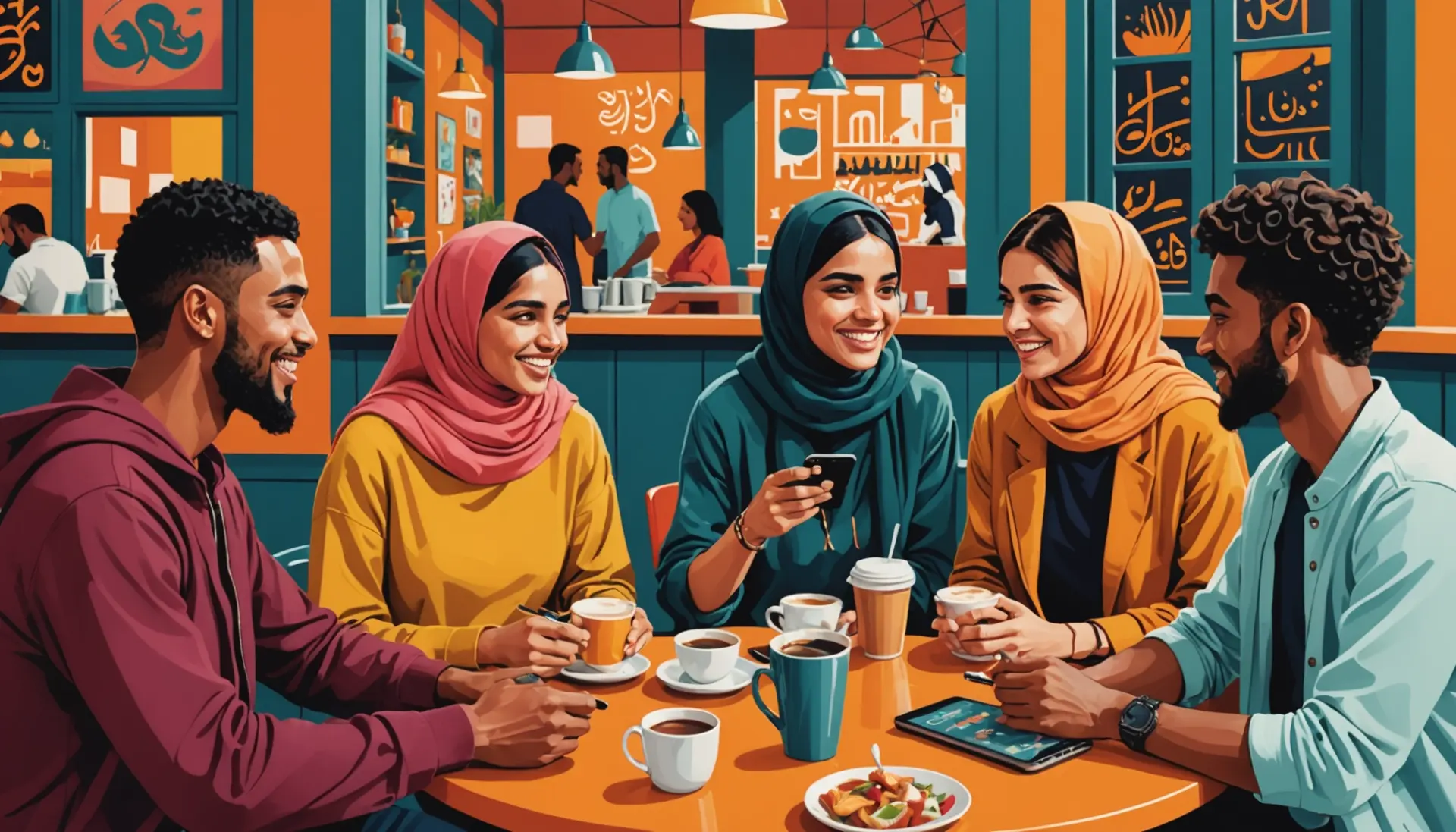

what does habibi mean in arabic is a question I hear all the time, whether from friends at a party or commenters under a viral TikTok. At its core, habibi means “my beloved” or “my dear” in Arabic, but the word wears a few different hats depending on dialect, tone, and who is saying it.
Table of Contents
What Does Habibi Mean in Arabic? Literal Meaning
Straight up, the literal meaning of habibi is “my beloved” or “my dear.” The root verb is related to love and affection, so you get the romantic vibe right away when you read the dictionary entry.
In Modern Standard Arabic, the sense is formal and poetic. In everyday speech, though, it is way looser. People use it like English speakers use “dear,” “love,” or even “mate.”
Pronunciation, Gender, and Forms
Pronunciation is simple, in case you want to sound authentic: habibi is pronounced “ha-BEE-bee.” The stress sits on the middle syllable, and the vowels are short and clean.
Gender matters. For a man you say habibi, spelled in Arabic as حبيبي. For a woman you say habibti, spelled حبيبتي. Both are singular and intimate. There are plural and formal versions too, but unless you are writing classical poetry, you will mostly hear the two casual forms.
What Does Habibi Mean in Arabic? Everyday Usage and Examples
Okay so how do people actually use it? Very casually. Friends call each other habibi the same way Brits call mates and Americans say bro. Context flips the tone. It can be romantic. It can be purely friendly. It can be semi-sarcastic.
Here are real, everyday examples you might overhear in London, Cairo, or a group chat with Arab diaspora friends:
-
“Thanks for the lift, habibi.” Friendly, grateful, casual.
-
“Come here, habibi.” Flirty or romantic, depending on tone.
-
“You messed up, habibi, fix it.” Teasing or mildly scolding.
Friend A: “You coming tonight?”
Friend B: “Of course, habibi, wouldn’t miss it.”
Notice how the same word transfers a lot of emotional weight based on voice, facial expression, and who says it. If you ever text someone “habibi” without context, you might accidentally flirt. ngl.
Habibi in Songs, Memes, and Pop Culture
Habibi is everywhere in pop culture. Classic example: Amr Diab’s 1990s hit “Habibi Ya Nour El Ein” brought the phrase to global radio, and you still hear that riff at weddings and clubs.
In the 2010s, Western pop artists and DJs leaned into the vibe too. Songs like “Habibi (I Need Your Love)” featuring Shaggy, Mohombi, and Faydee turned the word into a global hook, while TikTokclips and memes often riff on the affectionate sound of the word for comic effect.
Memes will sometimes use habibi ironically. You’ll see captions like “When your friend steals your fries, habibi” with a smug cat photo. It’s a way of softening an insult, or adding playful affection.
Common Mistakes and How to Use It Respectfully
One rookie move is assuming habibi is always romantic. It is not. In many dialects it is just a friendly filler. Still, if you are new to Arabic or to a cultural circle, mirror the speaker. If someone uses habibi with a smile, you can mirror; if it’s a stranger in a formal setting, don’t.
Also, gender matters. Calling a woman “habibi” instead of “habibti” can feel clumsy, like using the wrong pronoun. Learn the small shift and people will notice and appreciate it.
Finally, beware of cultural appropriation. Non-Arab speakers using habibi as a novelty in a costume or as a flirtation without understanding the context can come across as tone-deaf. Use it with warmth, not as a prop.
Quick linguistic links
If you want a short linguistic read, check the Habibi – Wikipedia page for etymology and examples, and for broader context on the Arabic language see Arabic language – Britannica. They’re both solid starting points if you want to nerd out.
Also, if you are curious about how other slang words travel cross-culturally, check out our pieces on rizz meaning and bae slang meaning for comparison.
Wrap-Up: So, What’s the Bottom Line?
If someone asks you what does habibi mean in arabic, give them the short answer: “my beloved” or “my dear.” Then add the nuance: used friendly, romantic, teasing, or affectionate depending on tone and region.
It is a small word with a lot of emotional range. Use it kindly, mimic the social cues around it, and you’ll be fine. And yes, feel free to sing along loudly to Amr Diab at the next wedding, because everyone does.
Want a cheat-sheet? Practice saying: حبيبي for a man, حبيبتي for a woman, and listen for tone. That tells you everything you need to know on the fly.