



Intro: What Is Zombie Slang Meaning?
Zombie slang meaning is more flexible than you think, and yes, it shows up in a surprising number of places. I say this as someone who has seen the term used in group chats, song threads, and on TikTok for totally different vibes. This post unpacks the modern uses, the origin vibes, and how to actually use it without sounding cringey. Short version: it does not always mean undead.
Table of Contents
Origins: Zombie Slang Meaning and Pop Culture Roots
The literal zombie comes from Haitian folklore and then exploded in Western pop culture through movies like Night of the Living Dead and later The Walking Dead. But the slang spin is modern, born from how people describe someone who acts brain-dead, exhausted, or eerily reappearing in online social life. For a quick historical anchor, see Wikipedia’s zombie page and the classic dictionary take at Merriam-Webster.
How to Use Zombie Slang Meaning in Conversation
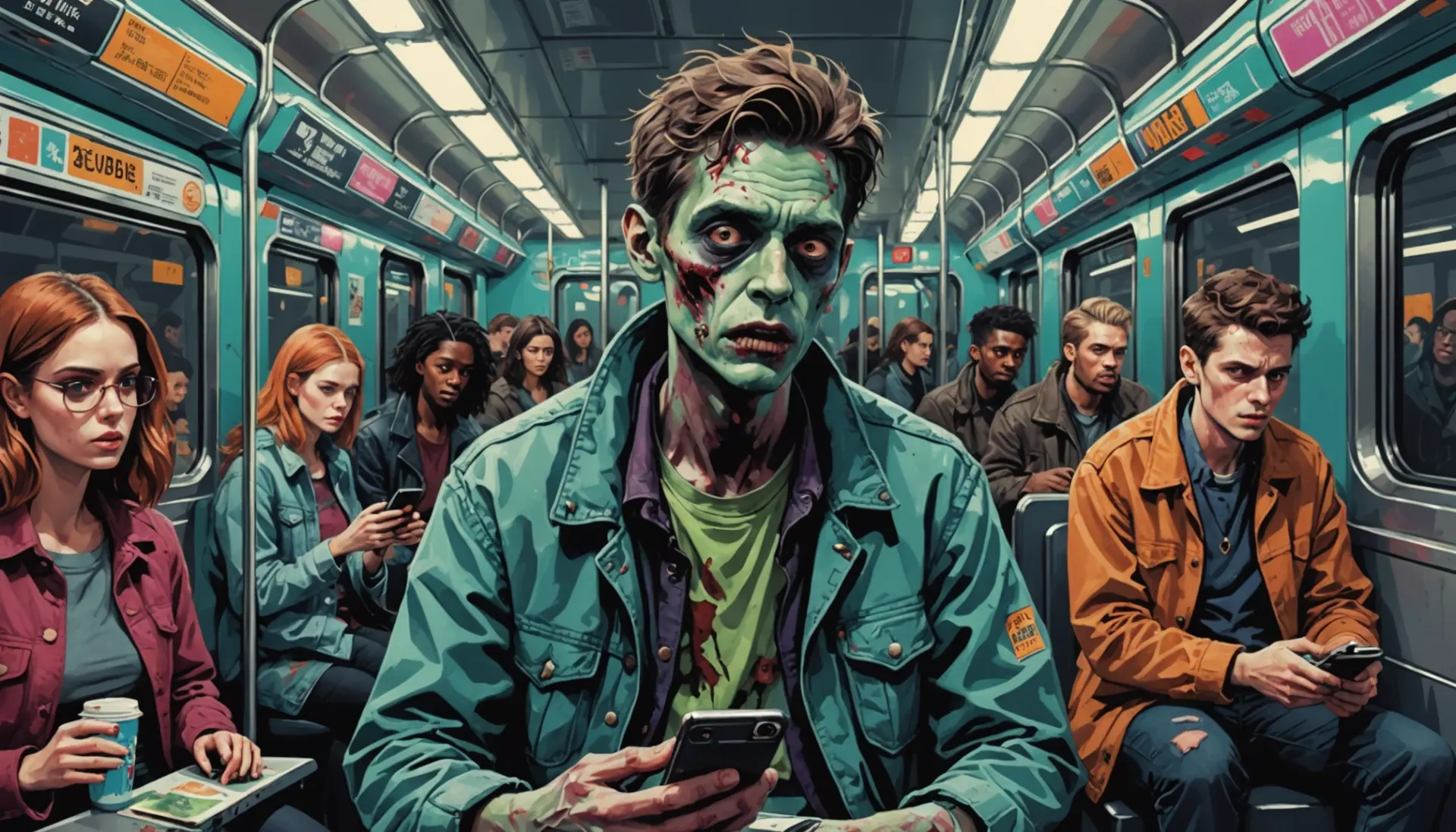
Okay so here are the main flavors of the term in 2026. First, zombie as sleepy or autopilot: “I was zombie mode after that all-nighter.” Next, zombieing, which is when someone who ghosted you comes back like nothing happened. Finally, zombie energy, used to describe a crowd, vibe, or aesthetic that feels lifeless or eerily uniform.
Subtypes: Zombie Slang Meaning for Dating, Work, and Aesthetic Talk
Dating: “He ghosted me, then zombie’d me with a weird meme” is common. Work: “I was on zombie energy in the 9 a.m. meeting” means you were checked out. Aesthetic: “Her feed has zombie energy” signals muted, washed-out, or intentionally drained vibes. Each use shares the core idea: low agency, low emotion, or a sudden, uncanny return.
Real Examples of Zombie Slang Meaning
Here are things people actually type or say. These are real-world style examples, not invented textbook lines.
“NgI his DMs are full of ‘ur cute’ messages then he ghosted, zombieing me last night lol.”
“Morning commute had me in full zombie mode, almost missed my stop.”
“That bar after midnight had zombie energy, no hype at all.”
See how each example maps to a slightly different meaning but keeps the same core image: walking and not really present. If you follow social memes, you’ll spot “zombieing” discussed on forums and meme trackers like Know Your Meme in weird, fun ways.
Why Zombie Slang Meaning Stuck
Language likes metaphors that feel visual and immediate, and zombie is a perfect metaphor for exhaustion, emotional detachment, or a dramatic social reappearance. People love shorthand. Saying “he zombie’d me” summarises a whole sequence of actions that would otherwise take a paragraph. Also, the image is pop culture heavy: think The Walking Dead walks and viral dancing zombie filters on TikTok.
Nuance: When Zombie Slang Meaning Is Playful vs. Problematic
Sometimes calling someone a zombie is playful, like teasing a roommate who is glued to their phone at 3 a.m. Other times it’s dismissive and mean, like describing someone with depression as “zombie-like.” Context matters. If you’re unsure, swap it for something softer. Tone and intent will tell you whether it’s edgy or rude.
Compare with Related Terms
Zombieing sits next to ghosting and benching in the dating glossary. Ghosting is disappearing without explanation, zombieing is a comeback after ghosting. If you want more background on ghosting or similar dating slang, check internal coverage like ghosting and deadass on SlangSphere. For flexy charm words, see rizz.
Quick Tips: How to Use Zombie Slang Meaning Without Looking Clumsy
Be specific. Use zombie to describe a vibe or an action, not to diagnose someone’s mental health. In text, “he zombie’d my feed” is casual and clear. Spoken, “I was in zombie mode” is fine for tiredness. If someone uses it towards you and it feels off, call it out. Language is social, remember?
Wrap Up and Quick Takeaways on Zombie Slang Meaning
So yeah, zombie slang meaning has at least three practical uses: tired/autopilot, sudden comeback after ghosting, and an aesthetic vibe. It’s shorthand, flexible, and kind of perfect for our meme-led era. Use it sparingly, use it deliberately, and don’t weaponize it against mental health struggles. Cool? Cool.
Further Reading
For a longer read on the original folklore and media evolution, start with Wikipedia. For dictionary grounding, here is Merriam-Webster. And for how the meme world riffed on the idea, check Know Your Meme.