



Intro
86 slang origin is one of those tiny culture fossils that pops up in a text thread, a bar, or a chef yelling in a kitchen and you nod because you know what it means. People say “86 it” to mean get rid of something, refuse service, or mark an item as gone. The phrase has curious roots and more than one origin story, which is exactly why language nerds love it.
Table of Contents
86 Slang Origin: Early Uses
The earliest printed uses of the number as slang date to the 1920s and 1930s, where it shows up in bartender and soda-fountain shorthand. Historians and lexicographers point to a cluster of possible sources, which is why no single origin story has full ownership. One route tracks to kitchen and bar shorthand for “we’re out of that” or “stop serving this.”
Sources like Merriam-Webster document the use of 86 as a verb meaning to eject or discard, and they cite mid-20th century restaurant jargon. Another overview appears on Wikipedia, which collects versions of the tale and points to diner code sheets and bootlegger stories.
86 Slang Origin in Restaurants
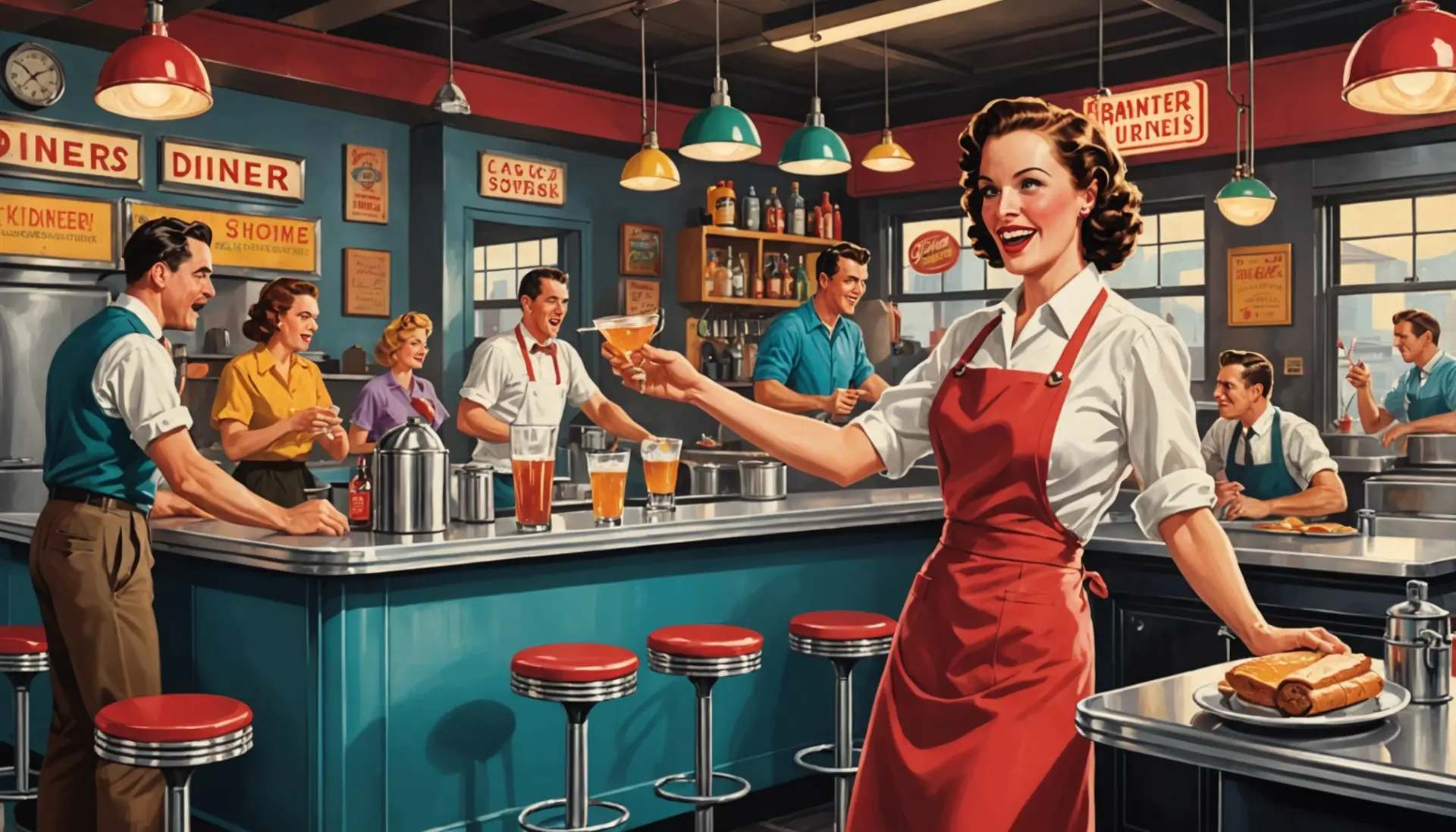
Restaurants and bars are where “86” really anchored. Servers and cooks needed fast, numeric shorthand to communicate inventory and orders, so numbers became efficient signals. If the line cook called, “86 the salmon,” that meant take it off the menu or stop putting it on plates.
There are old soda fountain order pads and hotel shorthand examples that use numbers to track stock and specials, and the number 86 seems to have become the catchall for “nope.” It’s practical, curt, and easy to shout over clatter. The pattern fits how most slang becomes useful, then sticky.
How People Use “86” Today
Today “86” has left the kitchen. Bartenders say it when a drink component runs out. DJs or club promoters might “86” someone from the guest list. Online, Reddit threads and Twitter threads use “86” when somebody suggests cutting a plan or getting rid of something. It reads cool and terse.
In nightlife or hospitality contexts, “86” can mean refusing service to a troublesome person. In product or project talk it means kill the idea. In casual chat it can be playful: “Let us 86 his last slice of pizza.” Language bends to context, honestly.
Real Conversation Examples
People use “86” in short, clipped ways. Here are some authentic-feeling examples that show tone and placement.
Bar manager to bartender: “We just got a keg leak on IPA, 86 the taps until we fix it.”
Server whispering to another: “Table six wants the scallops, but chef says 86 scallops for tonight.”
Friend group chat: “This meetup is chaos, can we 86 the plan and grab tacos instead?”
Notice how the verb slips into everyday speech. You can say “86 it,” “they got 86’d,” or just “86” as a command. The phrase is flexible and quick, which is why people borrow it beyond hospitality jobs.
Why “86” Stuck Around
There are a few reasons “86” survived. One, numeric codes are efficient. Two, the hospitality world churns out culture that leaks into mainstream language via film, TV, and celebrity chefs. And three, the mystery helps. Myths about speakeasies at 86 Bedford Street or bootleggers give the term narrative weight, whether or not they are true.
Language loves a story. The Chumley’s myth, linking 86 Bedford Street in Greenwich Village to Prohibition-era closures, is a collectible piece of folklore that keeps people talking. Even when etymologists push back, the myth stays alive in popular retellings and social media threads.
Debunking Common Myths
So which stories are real and which are fancy? The Chumley’s address tale is charming but probably not the smoking gun. Other theories suggest rhyming slang, military codes, or soda-fountain inventory numbers. Etymologists tend to favor practical origins in restaurants and bars because the documented usages line up with that environment.
That said, multiple plausible origins can coexist. Slang often develops in parallel in different places, then converges when a single usage becomes dominant. The important part is that the term worked for people when they needed a fast, blunt way to say “nope” or “get rid of it.”
Further Reading and Sources
If you want nerd-level digging, check lexicographers and historical newspapers. Merriam-Webster has a useful entry that tracks documented uses. Wikipedia gathers many of the popular origin stories and secondary sources for readers who like a compendium of claims.
Good starting reads: Merriam-Webster’s 86 entry, and the crowd-sourced history on Wikipedia. For similar slang histories and modern takes, see our pieces on Bogart slang meaning and Rizz slang meaning.
Closing Thoughts
So yeah, the 86 slang origin is messy, layered, and kind of delightful. It likely started in the practical chaos of kitchens and bars, picked up stories and myths along the way, and moved into general speech because it was short, loud, and useful. NgI, language like this tells you more about routines than it does about etymological drama.
If you hear it next time, you’ll know the main lines: a restaurant root, a practical shorthand, and a handful of colorful myths that kept it alive. Use it sparingly, and maybe not at a wedding. Okay, maybe at a wedding for the buffet table.