



Old Head Urban Dictionary: Quick Intro
old head urban dictionary is a phrase you probably type into Google when you want a quick verdict on someone acting antique about modern culture. People use it to roast an adult who seems stuck in the past, or to defend a grandfatherly vibe that actually commands respect. The phrase lives online, often in threads where Gen Z and Millennials clash with older folks over music, slang, or social media trends.
Okay so this post is not a research paper. Think of it like that one friend who saves the funniest Urban Dictionary entries and then explains why they hit different. I will pull examples, origin clues, and real conversation lines that show how the term gets used and misused.
Table of Contents
What “old head urban dictionary” Really Means
When somebody searches for old head urban dictionary they usually want a short, spicy definition and some receipts showing the term in action. On forums, an “old head” means someone older who holds traditional opinions about music, etiquette, fashion, or slang, and who often corrects younger people. Throw in “Urban Dictionary” and the search is about how the term is defined in the internet’s unofficial slang bible.
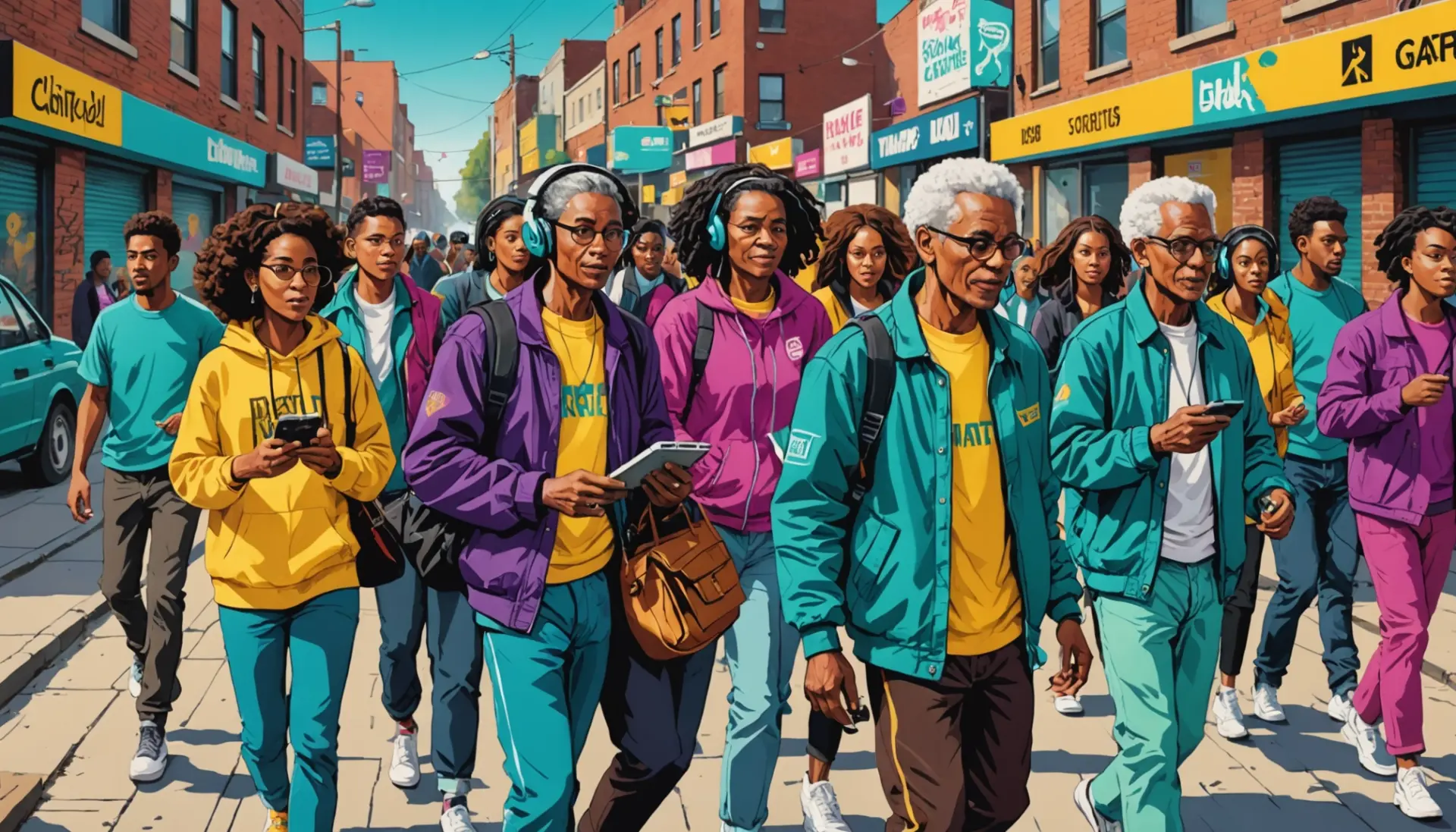
There is nuance though. An “old head” can be a respected OG who remembers hip hop’s early eras, or it can be a curmudgeon who says “kids these days” every other sentence. The Urban Dictionary entries capture that range with a mix of reverence and shade.
Origins and Cultural Roots of “old head urban dictionary”
To trace old head urban dictionary you have to look at the phrase “old head” first. It shows up in hip hop culture as a label for older, experienced heads who school younger people. You can see similar dynamics in other communities, including skate culture and jazz scenes, where elders pass down knowledge.
Urban Dictionary as a platform, documented slang like this since the early 2000s, giving informal terms a searchable home. For background on Urban Dictionary itself see Urban Dictionary on Wikipedia. That site often acts like a living archive for slang evolution.
Examples: “old head urban dictionary” In Real Conversation
People type old head urban dictionary when they want sample usages. Here are some realistic lines you will see in DMs, comment threads, or group chats, with a bit of flavor added so they read like actual convos.
“Man, my uncle called trap music ‘noise.’ Total old head, Urban Dictionary better save him.”
“She said you shouldn’t abbreviate anything in a business email. Old head energy, ngl.”
Those examples show two common tones: joking and mildly annoyed. You will hear older people called “old heads” both lovingly and to shame them into loosenin’ up. Searching old head urban dictionary often surfaces definitions that reflect both tones.
How People Use “old head urban dictionary” Today
Most usage falls into three buckets, but I will describe them like a conversation, not a checklist. First, the affectionate type: someone who knows history, like a DJ who drops 90s cuts and schools you on samples. Second, the dismissive type: a person who thinks new slang is lazy and constantly says “back in my day.” Third, the ironic type: younger people calling themselves “old head” as a flex, because they prefer classic records over viral hits.
Pop culture gives us context. Remember the “OK Boomer” meme that blew up in 2019? That moment clarified generational friction online. For a quick refresher on that meme see Know Your Meme’s OK Boomer page. People use old head in the same vein, but often with more of a vibe-check about taste instead of policy or politics.
Real Threads and Urban Dictionary Entries
I peeked at public forum threads where folks literally typed old head urban dictionary to see what came up. Many definitions mix humor and personal anecdote, which is why the phrase persists. Urban Dictionary entries can be blunt, like calling someone an “old head” for correcting slang pronunciations, or flattering, calling elders “old heads” who have valuable perspective.
If you want a formal language definition, Merriam-Webster can help with the base term “old” and how it functions in English, though for slang flavor Urban Dictionary is where the culture lives. See Merriam-Webster: old for the dictionary take.
How to Say It Without Sounding Rude
Want to call someone out but keep it light? You can say, “You’re being an old head about this,” and then drop an example of how they might loosen up. That keeps it teasing rather than confrontational. If you are labeling someone as an old head because they correct your grammar in texts, expect them to defend tradition.
Context matters. In a cypher or mixtape review, “old head” is often respectful. In a TikTok comments section it will land as shade. Use old head urban dictionary searches to find how people in different corners of the internet phrase the roast or the compliment.
Final Take
Searches for old head urban dictionary are a short path to understanding how culture labels age and taste online. The phrase is elastic, used lovingly by some and dismissively by others. It captures a real tension between preserving knowledge and embracing novelty.
If you want to nerd out further, check Urban Dictionary pages, and note how entries change over time as new generations remix the term. Also, if you enjoy slang explanation with a wink, check related reads like rizz and OG on SlangSphere. For more cultural slang threads, see boomerslay.
Quick Recap
Old head urban dictionary searches tell you what people think of “old head” at any given moment. It is a handy phrase to type when you want examples, definitions, or receipts. Use it in convo if you want to be playful, and expect pushback if the person enjoys being an old head.