


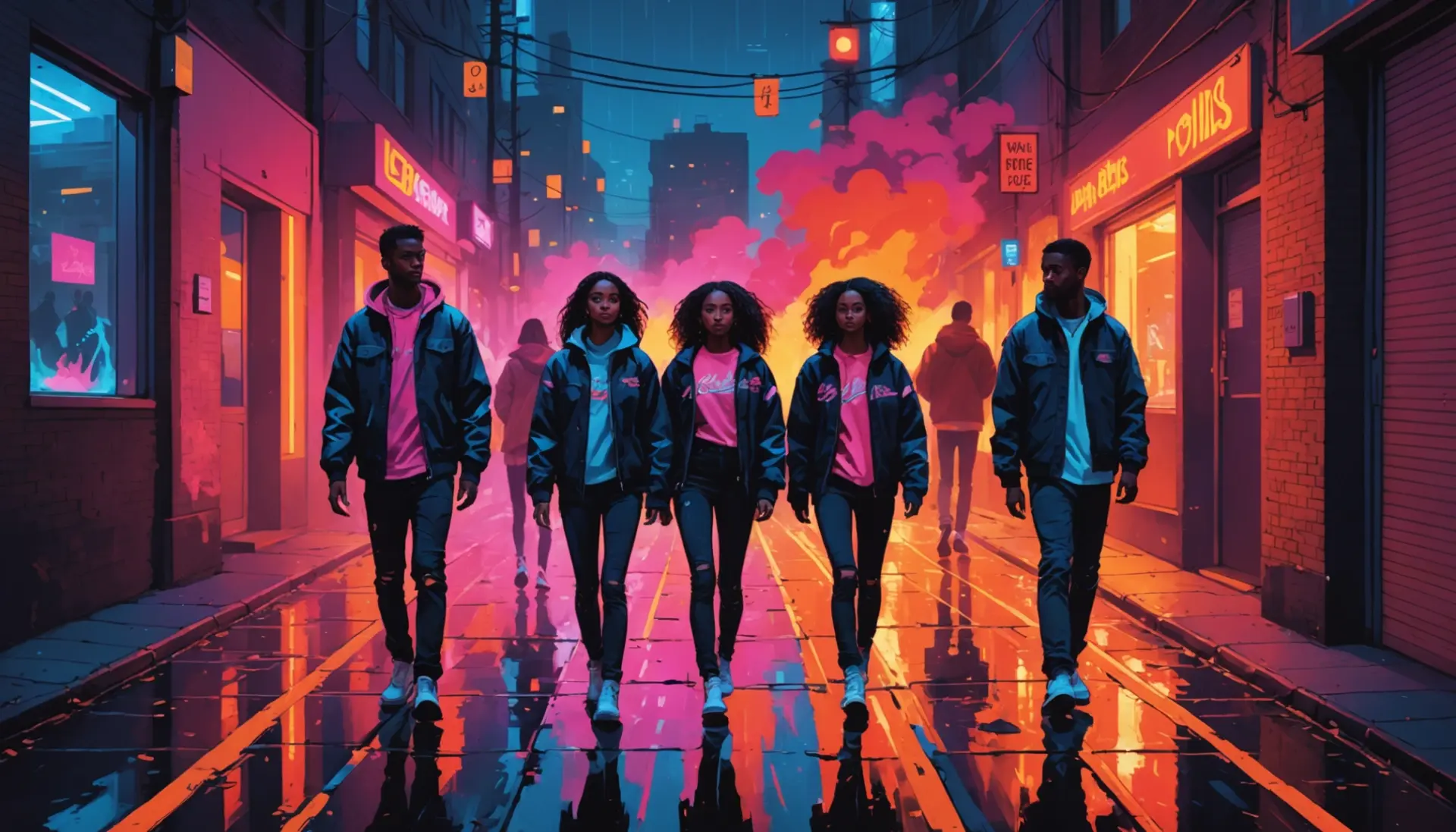

Quick Intro
firewalk slang is something you might have seen in a tweet, a TikTok caption, or yelled at a concert and wondered what the hell that meant. Honestly, it reads like two cool words slammed together: fire plus walk, which makes people tilt their heads and either over-hype it or shrug. The truth sits somewhere in between: part literal ritual imagery, part flex, part dramatic vibe-check.
Table of Contents
What Firewalk Slang Means
When someone says firewalk slang they are usually describing an experience, vibe, or move that feels risky, intense, and a little theatrically dangerous. Think of it as “this is fire, but you might get burned.” It carries a bravado that mocks danger while still courting it, like jumping into the mosh pit and bragging later.
It is not a strict one-to-one translation the way older slang sometimes is. Context matters. A DJ dropping a set could be called firewalk; a breakup that was brutal but empowering might also get labeled the same. NgI, it is flexible and performative.
Origins of Firewalk Slang
The phrase pulls from real-life rituals and pop culture. Firewalking, the ritual of walking on hot coals, has a long anthropological history documented on Wikipedia. Then you have the haunting Twin Peaks phrase “Fire Walk With Me,” which pushed a spooky, cultish aesthetic into mainstream pop culture via David Lynch’s film, also on Wikipedia.
Combine ritual imagery, culty cinema, and the internet’s love of dramatic one-liners, and you get the slang usage that bends literal firewalking into a metaphor for daring, almost performative risks. Language likes to remix, and firewalk slang is one of those remixes where cinematic mood meets social media flex.
How People Use Firewalk Slang
People use firewalk slang to signal edge and intensity, often with a wink. It reads like: I did something that was maybe reckless, but it was worth it for the vibe. Over-text it becomes a caption: “last night was firewalk lol.” In-person, it can be said seriously or deadpan for comic effect.
It also doubles as a mood descriptor. A neon-lit party, a song that feels dangerous in a sexy way, or that one friend who instigates drama and owns it could all be called firewalk. If you want a neutral authoritative definition of slang more generally, Merriam-Webster has a useful primer on the term here.
Examples in Conversation
Want realistic lines you might actually hear? Here are a few, spoken like someone texting their friend after a wild night. These are distilled from how people stitch words on social platforms, no fluff.
“Dude, that cliff jump was straight firewalk, not gonna lie.”
“Her set was all firewalk energy, lights, smoke, guy crowdsurfing—insane.”
“We had a breakup talk that was firewalk, painful but also freeing.”
See how the meaning shifts slightly in each one? That flexibility is the point. It can mean thrilling, dangerous, cathartic, or just theatrically intense. A tweet captioned “firewalk night” is doing the heavy lifting of mood-setting more than literal description.
Is Firewalk Slang Offensive?
Short answer: usually no, but context matters. The ritual term “firewalking” has cultural and spiritual contexts, and using the term casually can feel tone-deaf if you’re mocking or appropriating sacred practices. Be careful when applying it to indigenous or religious rituals, and do not use it to trivialize trauma.
On the flip side, calling a person’s trauma or real danger “firewalk” as a joke can come off as cold. If you’re online, read the room. If you’re at a party, watch how people react. Language that courts danger can glamorize real harm, so a little empathy goes a long way.
Where You See Firewalk Slang
Expect to spot firewalk slang in concert recaps, meme captions, and edgy indie playlists. It surfaces in song commentary, TikTok captions, and sometimes in gaming chat when something feels both risky and hype. Influencers who lean into moody, cinematic vibes love it.
Pop culture references help spread it. David Lynch fans toss in “fire” references because they like the ominous tone. And the longer a phrase sits in captions and comments, the more it mutates. For proto-slang and meme trajectories, places like Know Your Meme catalog how phrases spread, though not every term gets its own entry.
Should You Use Firewalk Slang?
If you like being a little dramatic and your crowd gets the vibe, go for it. It’s a fun shorthand for risk-with-style. Use it the way you’d use “on fire” or “lit,” but with more theatrical irony. If your friends are more literal or conservative, you might want to skip the flair.
Also, don’t overuse it. Slang has a half-life. If everybody calls everything “firewalk,” it loses punch. Try alternating with other words. If you want to compare notes with other slang, check out our entries on rizz and sus to see how different communities adopt terms.
Final Thoughts
To sum up: firewalk slang is a mood word, it borrows from ritual imagery, and it thrives in performative social settings. It can mean dangerous and thrilling, cathartic, or simply aesthetic. Use it with a wink, and an awareness of context. Be dramatic, but not reckless.
If you want a deeper cultural history on literal firewalking rituals, read the Wikipedia page I mentioned earlier. Language morphs fast, so keep listening to how people remix words. That’s where the fun is.
Further reading
For background on the ritual practice see Firewalking on Wikipedia. For how slang gets defined in dictionaries check Merriam-Webster. For Twin Peaks and cultural echoes see Fire Walk With Me.
Also, if you liked this explainer, you might enjoy our related pieces on Bogart Slang Meaning and modern flex slang on SlangSphere.