



Intro: quick note
bell end slang meaning is a straightforward one-liner in British insult culture, but like most rude words it wears different outfits depending on where you hear it.
Honestly, people fling it around on buses, in group chats, on Twitter, and in TV comedies. It can be affectionate, cutting, or straight-up hostile, depending on tone and who is speaking.
Table of Contents
What Is Bell End Slang Meaning?
The phrase bell end slang meaning refers to a British insult that basically calls someone an idiot or a prat, usually with a sexual anatomical image behind it.
It literally points at the glans of the penis, which is why the word lands as crude. But in practice it behaves like any other blunt English insult: punchy, casual, and a tiny bit theatrical.
History of Bell End Slang Meaning
Where did bell end slang meaning come from? The etymology is pretty transparent. The term likely evolved from coarse, body-part-based insults popular in working-class British speech, then migrated into wider UK usage.
In the 20th century British comedy and TV helped normalise a lot of colourful insults. Shows like The Inbetweeners and classic sketch comedy normalised swearing in fictionalised friendship groups, which made words like bell end feel familiar, if rude.
How People Use Bell End Slang Meaning Today
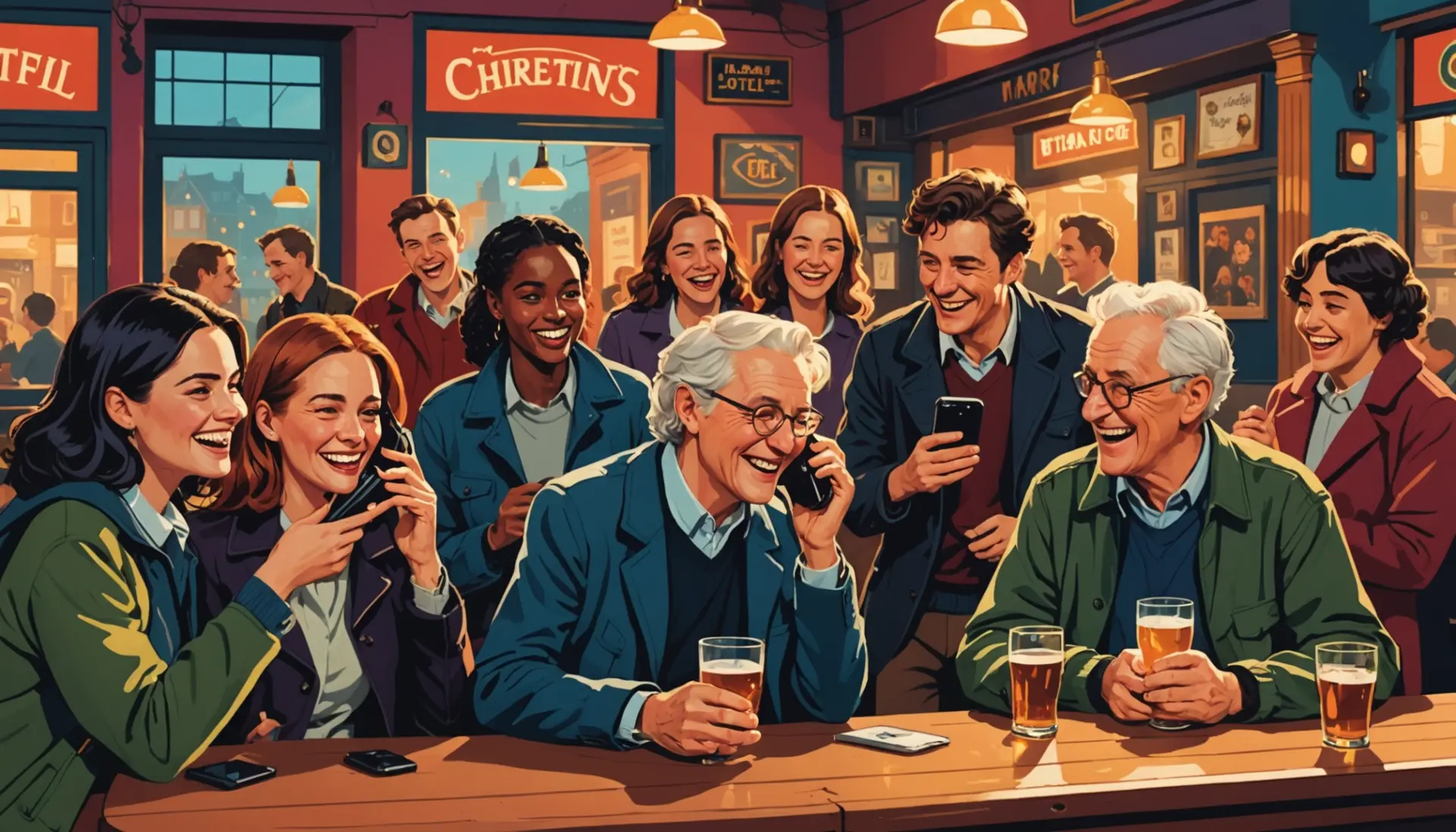
People use bell end slang meaning in several tones. Sometimes it is full venom: an angry shove across a pub table. Sometimes it is affectionate ribbing between mates who know boundaries.
On social media it often reads like performative sarcasm: someone posts a photo of a friend doing something foolish and captions it with bell end. In real life, tone matters more than anything. A laugh can turn the word into a joke. A clenched jaw can make it an attack.
Real Examples and Dialogue
Want real usage? Here are authentic-seeming ways people drop the phrase into conversation, text, and online posts.
Text: “Mate, you forgot your passport? You absolute bell end.”
Group chat: “Stop being a bell end and just tell her you like her.”
Tweet: “Some guy walked into glass door and said ‘I am a proper bell end’ unironically lol.”
See? Short, blunt, and often accompanied by a laugh or an eye roll emoji. People change the spacing and spelling, too. “Bellend” as one word is common. So is two words, bell end.
When to Avoid Saying It
Ask yourself: will this hurt someone, or just get a laugh? If you are with strangers, around elders, or in a work setting, do not say bell end. It reads as crude and can be seen as harassment in formal contexts.
Also remember that some regions will react worse than others. In London you might get a chuckle. In a conservative setting it can escalate. If you like your job, refrain from turning coworkers into targets of that particular insult.
Final Thoughts: how to handle bell end slang meaning
bell end slang meaning is a small but sturdy piece of British insult vocabulary. It says a lot about familiarity, tone, and social risk all at once.
If you are learning British English, treat it like a spicy condiment. Use it sparingly, learn the tone, and keep an ear out for how locals react. The word tells you more about the speaker than the target sometimes.
Further reading and sources
For context on slang and insult culture, check reputable overviews of English slang and dictionary definitions. See general background on slang on Wikipedia, and a standard definition for close synonyms such as “idiot” at Merriam-Webster. For crowdsourced takes and real-world examples, see the Urban Dictionary entry for “bellend” at Urban Dictionary.
You might also like other slang entries on SlangSphere, such as Rizz Slang Meaning, Bogart Slang Meaning, and Delulu Slang Meaning.
Quick recap
Short version: bell end slang meaning = crude British insult that labels someone as foolish or obnoxious. Context changes everything. Tone is the judge.
Use it with caution, and if you borrow it for a joke, be ready to laugh at yourself if it backfires. Culture changes fast, but the word will likely keep doing what rude words do: hurt people or make them laugh, depending on the moment.