



Cattle Meaning Slang: Definition
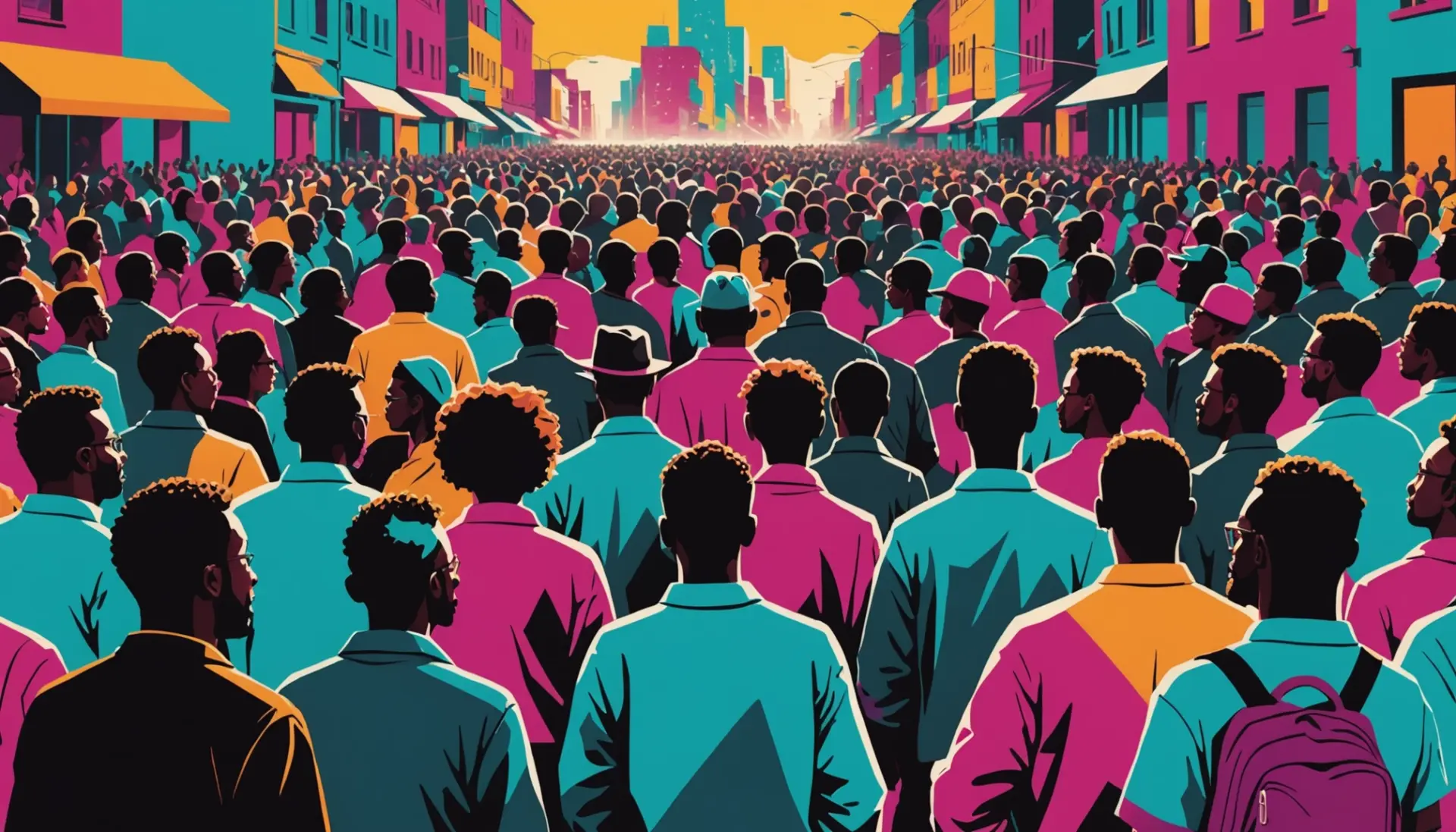
Cattle meaning slang is a blunt, often dehumanizing term people sling at groups or crowds to suggest they are being herd-like, passive, or easily led. It shows up in politics, fandom pile-ons, and rants about consumer culture. Honestly, the word feels sharp when used online, because it squeezes a whole attitude into one animal image. You hear it and you know the speaker is not complimenting anyone.
Table of Contents
Cattle Meaning Slang: Origins and History
The literal word cattle, meaning cows and bovines, has been in English for centuries, of course. People started using animal metaphors to describe humans long ago, think of “sheep” for followers or “wolf” for predators. Calling someone cattle is part of that lineage, a more loaded and rural-sounding insult that implies mass control and a lack of agency.
There is also a class and labor angle. Terms like “cattle class” for economy airline seating or phrases about being treated “like cattle” in bureaucratic systems contributed to the slang meaning. So the insult borrows from both a pastoral vocabulary and modern critiques of systems that process people like goods.
Cattle Meaning Slang: How People Use It Today
So how do people actually use cattle meaning slang? Mostly online, where short, punchy insults stick. You will see it in comment threads where someone calls a fandom or political base “cattle” to suggest mindless following. You will also hear it in critique of mass marketing, like when consumers are portrayed as easy targets for ads.
NG l, usage ranges from playful exaggeration to outright hostility. A streamer might joke that a sub train turned their chat into “cattle,” meaning chaotic and crowd-driven. A political commentator might use it to dehumanize an opposing voter block. Context matters, and tone makes the difference between a salty meme and a harmful slur.
Real Examples and Conversations
Want actual lines people might say? Here are some believable, real-world style examples that capture how the slang is used. I pulled these from the kinds of comments and captions you see across Twitter, Reddit, and Discord, not verbatim quotes from one person.
“Stop treating them like cattle, they can think for themselves.”
“Our marketing turned them into cattle, dude. Sales up, ethics down.”
“The stan account called the rest of the fandom cattle after the drama. Harsh, but expected.”
See how flexible it is? It can target a brand, a crowd, or even an audience in a stadium. The word is compact, visual, and a little mean. People use cattle meaning slang when they want to criticize a collective without naming individuals.
Cultural Moments and Why It Matters
Why pay attention to cattle meaning slang, aside from curiosity about insults? Because it reveals how we think about groups and agency. When public figures, influencers, or pundits call others cattle, they are flattening complexity into one image. That matters for public discourse, online moderation, and how marginal groups get talked about.
There are historical echoes too. Populist rallies, viral conspiracy movements, stadium chants, influencer culture, all have moments where participants get described as herd-like. Think of viral clips where a phrase sweeps a crowd and commentators sigh, “They were like cattle.” It captures the visual of coordinated bodies moving together, and that visual holds persuasive power.
Also, remember the meme culture around “sheeple.” It overlaps with cattle meaning slang because both use animal metaphors to critique group behavior. For background on these kinds of metaphors, check out the Wikipedia entry on cattle for the literal history, and the Merriam-Webster definition for standard uses of the word. For meme context, Know Your Meme gives context on how animal metaphors trend online.
External reading: Wikipedia: Cattle, Merriam-Webster: Cattle, Know Your Meme.
Why People React Strongly to “Cattle”
There is a moral response baked into the term. People who are called cattle feel robbed of individuality. People who use the term sometimes believe they are pointing out truth, or mocking perceived naivete. Either way, it escalates a conversation quickly.
In online moderation, classifying language like cattle as dehumanizing can shape policy. Platforms have had to wrestle with how to manage mass insults versus targeted harassment. That debate is ongoing, and the presence of words like cattle keeps it active.
Nuance, Alternatives, and When to Avoid It
I am not saying you can never use cattle meaning slang. But if your goal is persuasion, it rarely helps. Calling people cattle usually seals off dialogue, and it can make you sound condescending. Want to be critical but effective? Try pointing at behaviors rather than labeling humans.
Alternatives include words like “mob,” “crowd,” or phrases like “groupthink in action.” Those convey critique without invoking animal dehumanization. Honestly, small language changes can up your rhetorical game without the nastiness.
Further Reading and Related Slang
If you like tracing insults across internet eras, check related slang entries on SlangSphere. Curious about other single-word slurs and how they move through culture? See Bogart Slang Meaning, Rizz Slang Meaning, and Sus Slang Meaning. These pages show how short words stack meaning quickly online.
Wrap-up thought: language matters. Calling a group cattle is a rhetorical choice. It is quick and vivid, sure, but it also flattens people into a metaphor. Use it if you want shock, but expect pushback if you want change.