


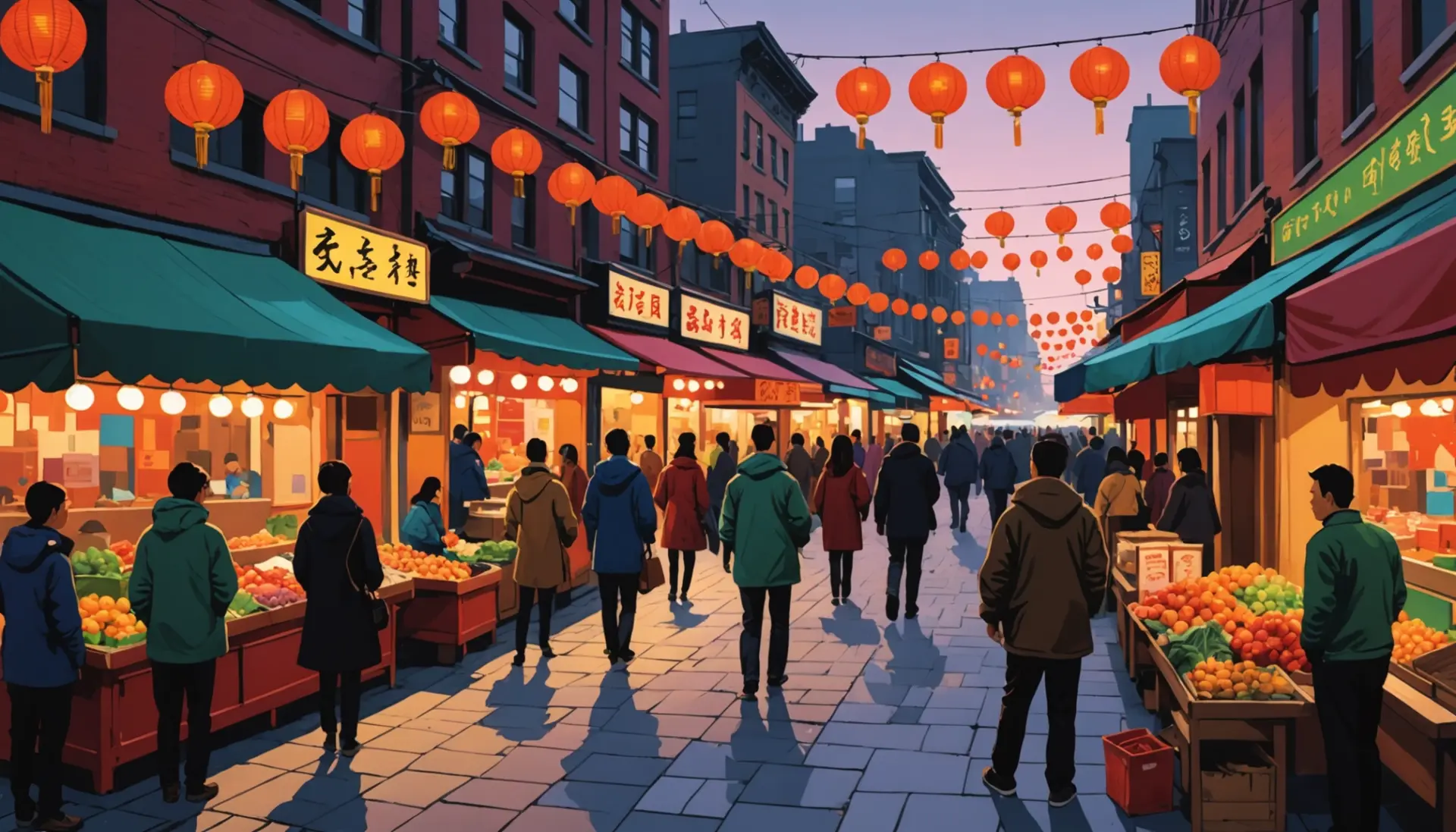

Intro
chinatown meaning slang is a weird little search people type when they want to know whether “Chinatown” is just a place name or something more coded, shady, or ironic in everyday talk.
Okay so, honestly, this phrase shows up when people catch a vibe and want to label it fast: counterfeit energy, sketchy deals, complicated drama, or sometimes, cultural reference points that went sideways online.
Table of Contents
What Chinatown Meaning Slang Actually Means
When someone types or says “chinatown meaning slang” they usually want the quick translation: what does it signal when a person calls something “Chinatown” outside of a map context?
The shorthand can mean a few different things depending on region and tone: low-cost knockoffs, a place of hustle and informal markets, or a vibe of complication and mystery, inspired partly by noir media like the film Chinatown (1974).
So yes, it is often less about the literal neighborhood, and more about associations people have built up over decades.
chinatown meaning slang: Where It Comes From
Historically, Chinatowns are ethnic neighborhoods in cities around the globe, noted in academic and public sources like Wikipedia and in dictionaries such as Merriam-Webster for the literal place-name sense.
That literal place-name slowly acquired extra meanings. Markets, bargain goods, travel curiosity, and yes, sometimes unregulated commerce combined in the public imagination, especially in Western cities where Chinatowns were exoticized.
Pop culture played a role too. The film Chinatown gave the word noir baggage: corruption, mystery, complicated power plays. That cinematic usage bleeds into slang, where saying something is “Chinatown” can wink at complexity or murk.
chinatown meaning slang: How People Use It Now
In recent internet chats, “Chinatown” gets used in at least three common ways: as shorthand for fake goods, as shorthand for a sketchy deal, and as shorthand for a messy situation with hidden rules and stakes.
For fake goods, someone might say, “This bag is Chinatown,” meaning it feels like a knockoff, cheap materials, or questionable provenance. That usage is blunt, sometimes classist, and not always accurate.
For sketchy deals, you might hear, “We met in a Chinatown parking lot,” used jokingly to mean clandestine exchange. And when something is complicated and morally grey people might call it “so Chinatown,” implying tangled motives and secrecy.
Real Examples: Texts, Tweets, and Captions
Examples help. Here are conversational lines you might actually see. NgI, some of these are playful and some are cringe, context matters.
Text: “You bringing the shoes? Don’t get Chinatown specials 😂”
Tweet: “Went to buy a phone charger, came back with a whole Chinatown haul. Quality: questionable, vibe: iconic”
IG Caption: “The dinner was cute but the service was straight up Chinatown energy lol”
Those quotes show the flex: sometimes it is jokey, sometimes it points to suspicion. People tag it onto a situation to save time explaining the whole backstory.
Also, you will find thread discussions on sites like Urban Dictionary where people define emergent uses. Check entries but remember they are grassroots at best, like Urban Dictionary.
Is It Offensive? Tone, Context, and Respect
Short answer: it can be. Using “Chinatown” as shorthand for fakery risks stereotyping and collapsing diverse communities into a single caricature. That matters, especially if you are not part of the community you are casually referencing.
There is a difference between saying, “That market sells Chinatown-tier knockoffs,” and describing the neighborhood or its people respectfully. One flattens nuance, the other acknowledges it.
So yeah, be mindful. Slang evolves, and sometimes words carry histories of marginalization. If your slang usage depends on othering a culture, maybe pick another metaphor.
Legal and Economics Side Notes
Another angle: when people talk knockoffs they sometimes mean illegal or gray-market goods. That is a real economic issue, not just a meme. Academic coverage and reporting on informal economies often mention ethnic enclaves as hubs for immigrant entrepreneurship, which is more nuanced than simply “fake stuff.”
If you want a quick primer on how neighborhoods function economically, start with general sources like Wikipedia’s Chinatown page, which covers history, then read reporting that digs into local specifics.
How to Use the Term Without Being Problematic
If you choose to use the slang meaning, do three simple things: be specific, avoid essentializing people, and own the context. Say what you mean. If it is a knockoff, call it a knockoff.
Instead of, “This is Chinatown,” try, “This looks like a cheap imitation,” or, “This feels sketchy.” That gets the point across without sweeping a whole neighborhood into a stereotype.
Final Thoughts and Where to Read More
So to sum up, “chinatown meaning slang” sits at an intersection: geography, pop culture, and shorthand for sketch or complicated vibes. It is handy but loaded, and people use it in texts, tweets, and casual convos more than you might expect.
If you want more slang breakdowns, we have pages on related terms like rizz and delulu, and we even explain older kids’ moves like bogart.
Want primary references? Read the neighborhood history on Wikipedia, check a dictionary entry at Merriam-Webster, and eyeball grassroots usages on Urban Dictionary to see how people actually use it online.
Final line: use “Chinatown” as slang if you must, but do it knowing the baggage. Language is cute and messy. Be kind.