


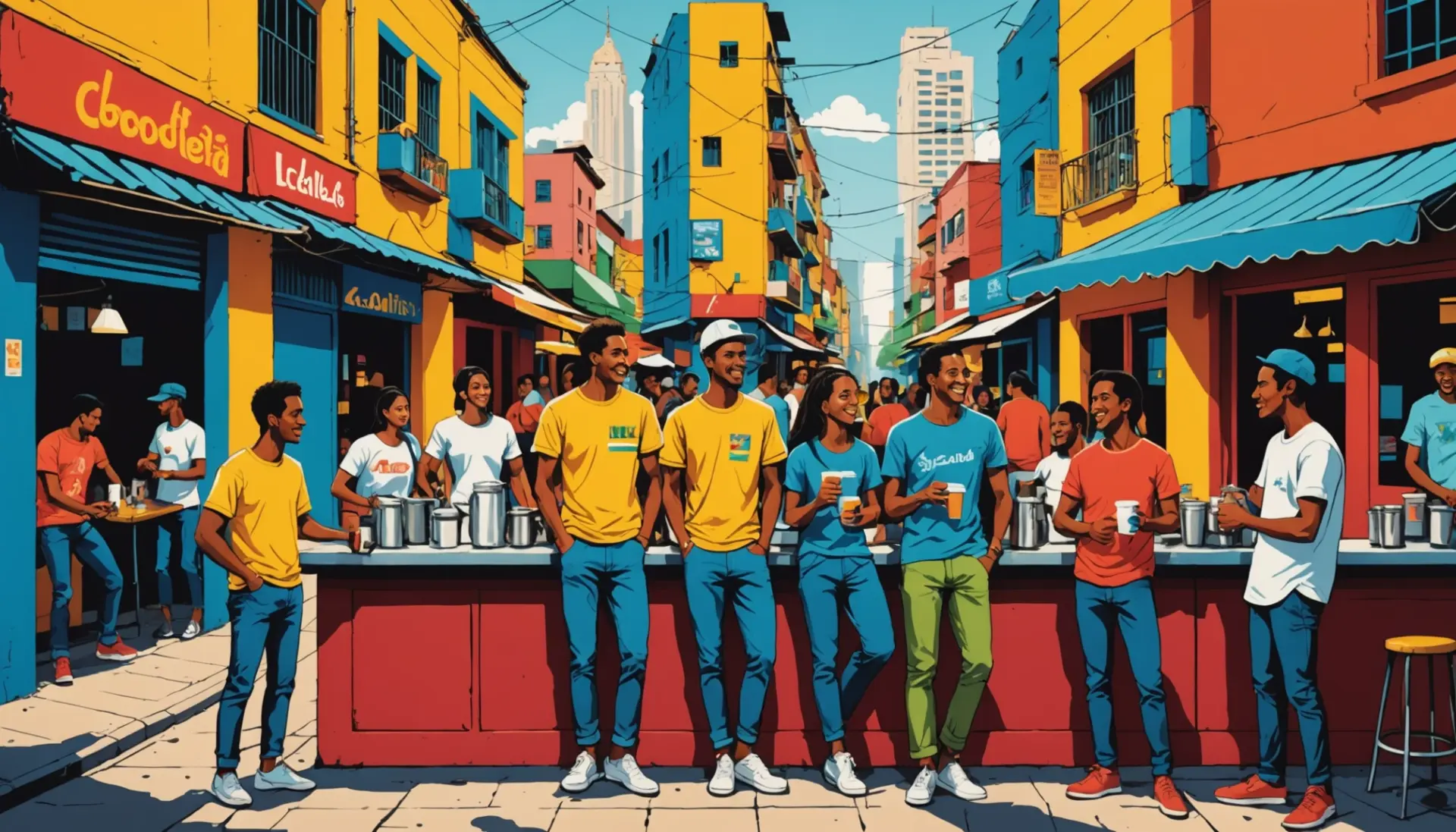

What Is Colombian Slang?
Colombian slang is that colorful, melodic Spanish you hear on the streets of Bogotá, Medellín, Cali and Cartagena that refuses to translate literally. It mixes indigenous words, African influences, old Spanish, regional inventions and pop culture lines from reggaetón and vallenato. Honestly, it’s a mood, a social code and a quick way to figure out where someone grew up. You can learn nouns and verbs, but if you want the vibe, you need to listen.
Table of Contents
Regional Flavors in Colombian Slang
Colombian slang varies wildly by region, and that’s half the fun. In Medellín you’ll catch paisa cadences, like “parcero” and the softening of syllables. In Cali there’s much more salsa energy and words tied to nightlife and baile. The Caribbean coast brings coastal idioms and words shaped by Afro-Colombian rhythms.
Sometimes a single word tells you a person’s origin. Say “vos” and you might be talking to someone from Antioquia or the coffee region. Say “usted” in the same tone and the social register shifts. Context matters a lot.
Everyday Phrases You Should Know
If you want to sound less like a tourist and more like someone who belongs at the local tinto stand, learn these. Chévere and bacano both mean “cool,” but chévere has wider Latin American use while bacano feels extra Colombian. “Parce” or “parcero/parcera” is friend, but it’s casual, like bro or mate.
Then there’s “guayabo,” a brilliant way to say hangover that instantly signals shared experience. “Rumbear” is to go party. “Parchar” or “parchar” means to hang out, to chill, which has become a verb young people love. A few of these show up in pop songs and social feeds constantly.
How to Use Colombian Slang Without Failing
You can learn words, but social rules matter. Some words are affectionate among friends and harsh otherwise. The term “marica” is a good example: used playfully among close friends in many circles, but it can be homophobic or offensive depending on tone and company. So always read the room.
Start with safe, positive words like “chévere,” “bacano,” “parcero” and “tinto.” Mirror the rhythm and cadence. Colombians often soften consonants and add diminutives, a lot. Drop a “-ito” now and then and you’ll sound warmer. Don’t overdo it; authenticity beats caricature.
Slang in Pop Culture and Memes
Colombian artists have done a lot to amplify local slang internationally. J Balvin’s Medellín references pushed paisa turns of phrase into global reggaetón hooks, and Shakira’s early songs helped export costeño idioms. Even Karol G and Maluma splash local vocabulary across social media captions, which then becomes meme fuel.
Remember the viral line “¿Qué más pues?” You’ll see it in TikToks, Instagram captions and comment threads. Memes love regional pronunciation, so a funny voiceover using “parcero” or exaggerated “qué hubo” will instantly rack up shares. Pop culture both preserves and mutates slang fast.
Quick Reference and Examples
You asked for real examples, so here they are. These are short, authentic conversations you might overhear or use yourself in Colombia.
“Qué más, parce, ¿todo bien?” — “Sí, parcero, aquí parchando con unos amigos.”
“Anoche fue una rumba brutal, tengo un guayabo que no lo aguanto.”
“Trae un tinto, pues. Yo pago.”
See how the words slide into natural speech? That’s the point. You don’t just say the word, you time it. You say “tinto” at breakfast, not at a rooftop party. “Parchar” works for a lazy Saturday. “Rumbear” belongs to sweaty clubs and salsa nights.
Some risky words and etiquette
Colombian slang has warnings. Words can be regional slurs elsewhere. “Negro/negra” is often used affectionately among friends on the coast, but context matters. “Gordo/gorda” is friendly in some circles, rude in others. Always follow the lead of locals and if unsure, ask. People usually appreciate the attempt.
Where to learn more
If you want a linguistic primer, check the more formal take on the dialect on Colombian Spanish – Wikipedia. For authoritative Spanish rules, the Real Academia Española is always useful. And this BBC piece about regional variations is a nice read for context BBC: Spanish in Colombia.
Practical Tips and Closing Notes on Colombian Slang
Try this: learn five words, use them in the right moment, and then add five more. Repeat. Start with “parce/parcero,” “chévere,” “bacano,” “parchar,” and “guayabo.” Practice with friends, or mimic lines from a Karol G verse and see how it lands. It’s fun and it opens doors.
Oh, and if someone calls you “cucho” or “cucha,” don’t panic. It just means older person, often used with affection. Likewise, if you hear someone say “qué chévere tu plan,” consider that a compliment and move in for the high vibe. Colombian slang is warm, witty and built for community.
Internal reading
Want to explore more local words? Read our explainer on Parcero and the friendly guide to Chévere for quick, focused breakdowns.
Final thought: learning Colombian slang is less about memorizing and more about listening, copying rhythms, and respecting context. Try it once and you’ll see how language becomes a shortcut to feeling at home.