


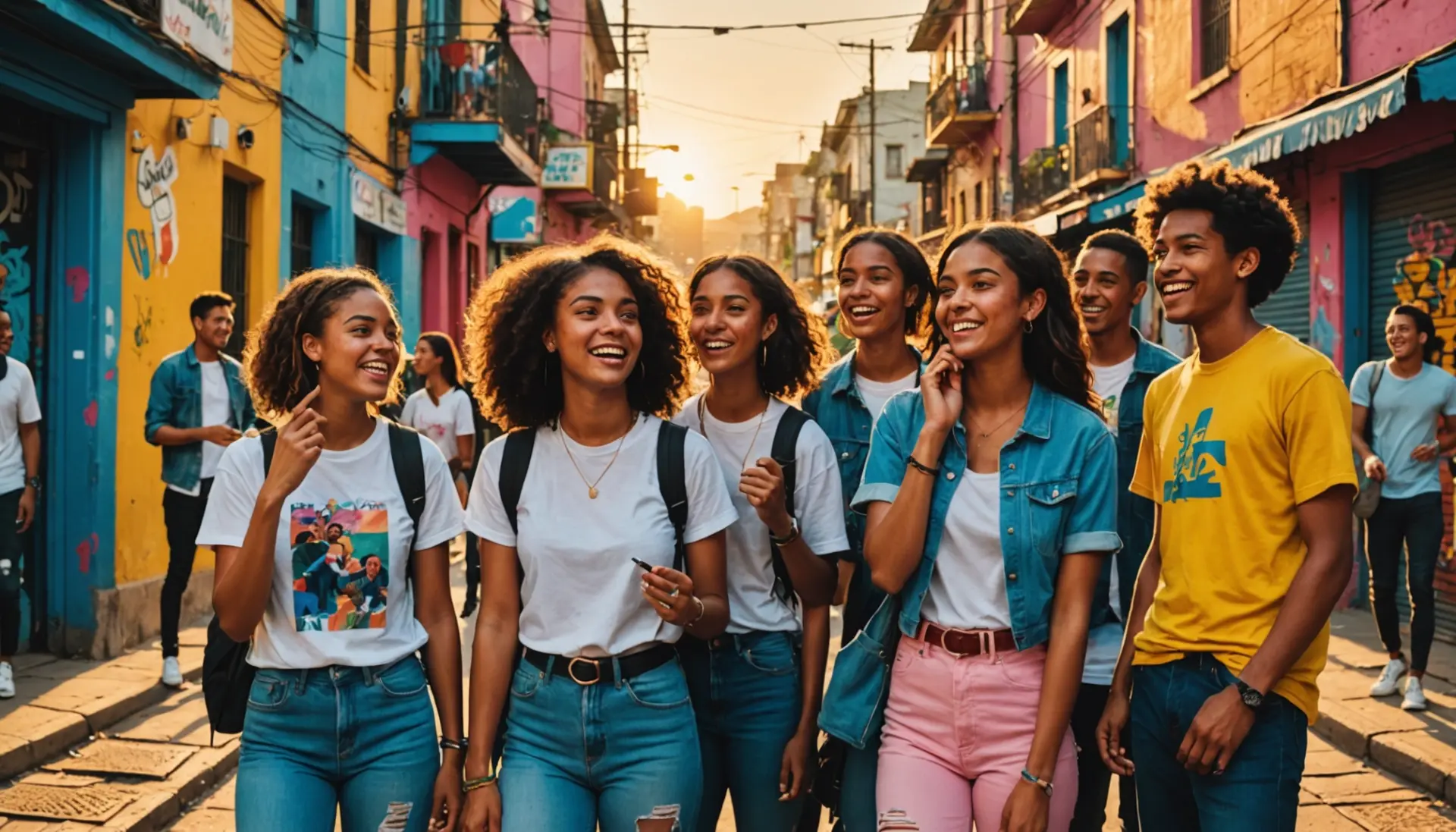

Intro: Why Colombian Slang Words Matter
Colombian slang words are a lively, often hilarious shortcut to understanding how people actually talk on the street, at parties, and in WhatsApp chains. If you want to sound less like a tourist and more like someone who grew up watching novelas and listening to vallenato, these terms matter. I lived in Bogotá for a summer and learned that a single word can carry tone, region, and history all at once. This is the readable, no-pretension guide I wish I’d had before my first weekend mercado mishap.
Table of Contents
Common Colombian Slang Words You Hear
Start with the essentials. Words like parcero, bacano, and qué más show up everywhere, from Medellín cafes to Cartagena beach kiosks. Parcero or parce is basically buddy, but packed with warmth; you can call your friend parcero after one beer and they will feel immediately included.
Here are a few staples and how Colombians actually use them:
- Parcero/parce: friend, mate. “Parce, ¿vamos a la tienda?”
- Bacano: cool, nice, great. “Tu carro está bacano, bro.”
- De una: right away, for sure. “¿Vienes?” “De una.”
- Jartera: a pain, annoying. “Qué jartera hacer fila.”
- Guayabo: hangover. “Tengo un guayabo terrible.”
- Mamar gallo: to joke or waste time. “No me mames gallo, dime la verdad.”
Regional Colombian Slang Words and Variations
Colombian slang words change with geography. Paisas from Antioquia, costeños from the Caribbean coast, and rolos from Bogotá will all have their twist. For example, costeños might use voseo more, while paisas pepper their speech with a singsong cadence and a lot of parce variants.
Some words are practically regional trademarks. “Rumbear” for partying is nationwide, but expressions like “ñero” show up more in certain neighborhoods of Medellín and Bogotá. If you travel to Cali, you will hear a different rhythm, and sometimes words that sound familiar will mean slightly different things.
How to Use Colombian Slang Words Without Offending
Using Colombian slang words signals friendliness, but do it carefully. Tone and context are everything. A jovial “parce” among friends is great, but calling someone “ñero” without knowing the connotation can come off as disrespectful.
Ask, mirror, and follow the lead of locals. If a cashier calls you “amiga” or “hermano” in passing, respond casually. If you are at a formal event, skip the slang. Also, remember that many of these words carry class and region markers, so use them with humility, not swagger.
Real Conversation Examples
Concrete examples. Real ones. These are the kinds of lines you will actually hear in a WhatsApp chat or in the corner store.
WhatsApp: “Parce, mañana rumbamos? De una, yo invito la primera ronda.”
In person: “Qué más, señorita, ¿cómo le va? Ese look está bien bacano.”
After a night out: “Uy, tengo un guayabo, no vuelvo a beber por lo menos hasta el fin de semana.”
These examples show cadence and economy. See how one or two words carry mood and intent. Try them out slowly at first. Pronunciation and reaction will teach you faster than any list.
Phrases to Watch Out For
Not all slang is playful. Words like ñero, vieja, or loco can be affectionate among close friends but loaded in other settings. Context is the safety check. If someone uses a term and you sense a sharpness, it is probably not your cue to repeat it to your boss or grandma.
Also, some slang has migrated online into memes and short videos, changing tone fast. A phrase that was once neutral can become ironic or aggressive after a viral clip. Keep an eye on social media trends and follow local accounts to stay current.
Sources and Where to Learn More
Want to read beyond this guide? The history and variety of Spanish in Colombia are well documented at Wikipedia: Colombian Spanish. For a general look at slang as a linguistic concept, Merriam-Webster has a solid explanation at Merriam-Webster: slang. The Real Academia Española is also useful for official takes on regional vocabulary at RAE.
If you want on-site practice, follow Colombian musicians like J Balvin or Karol G on social media. Their captions and comments are a quick crash course in how slang shows up in pop culture. Also check out local meme pages and YouTube channels from Medellín or Bogotá for live examples.
Related SlangSphere Guides
To cross-reference slang from other regions and modern trends, check our related pages: Rizz, Delulu, and Bogart Slang Meaning. They help you see how slang evolves across cultures and generations.
Final Tips on Colombian Slang Words
Be curious and present. Listen more than you speak. Slang is alive language, and Colombian slang words are especially charismatic because they mix indigenous, African, and Spanish roots with contemporary pop culture. That mix is part of why Colombians are so proud of their expressions.
Practice in safe spaces, react with laughter or interest, and always give people the benefit of the doubt when you misstep. Most Colombians will appreciate the effort. And honestly, try saying bacano in a low voice once. It sticks.
Quick recap
Parcero, bacano, de una, guayabo, mamar gallo: learn these, and you will navigate planes, taxis, and bars with less awkwardness. Use context. Match tone. And when in doubt, smile and ask what a word means. Curiosity gets you further than bravado.
Further reading
For more on the cultural spread of these words through music and media, see the Wikipedia link above and follow contemporary Colombian artists and meme pages. Language lives where people are loudest, and in Colombia that means every corner has something worth learning.