


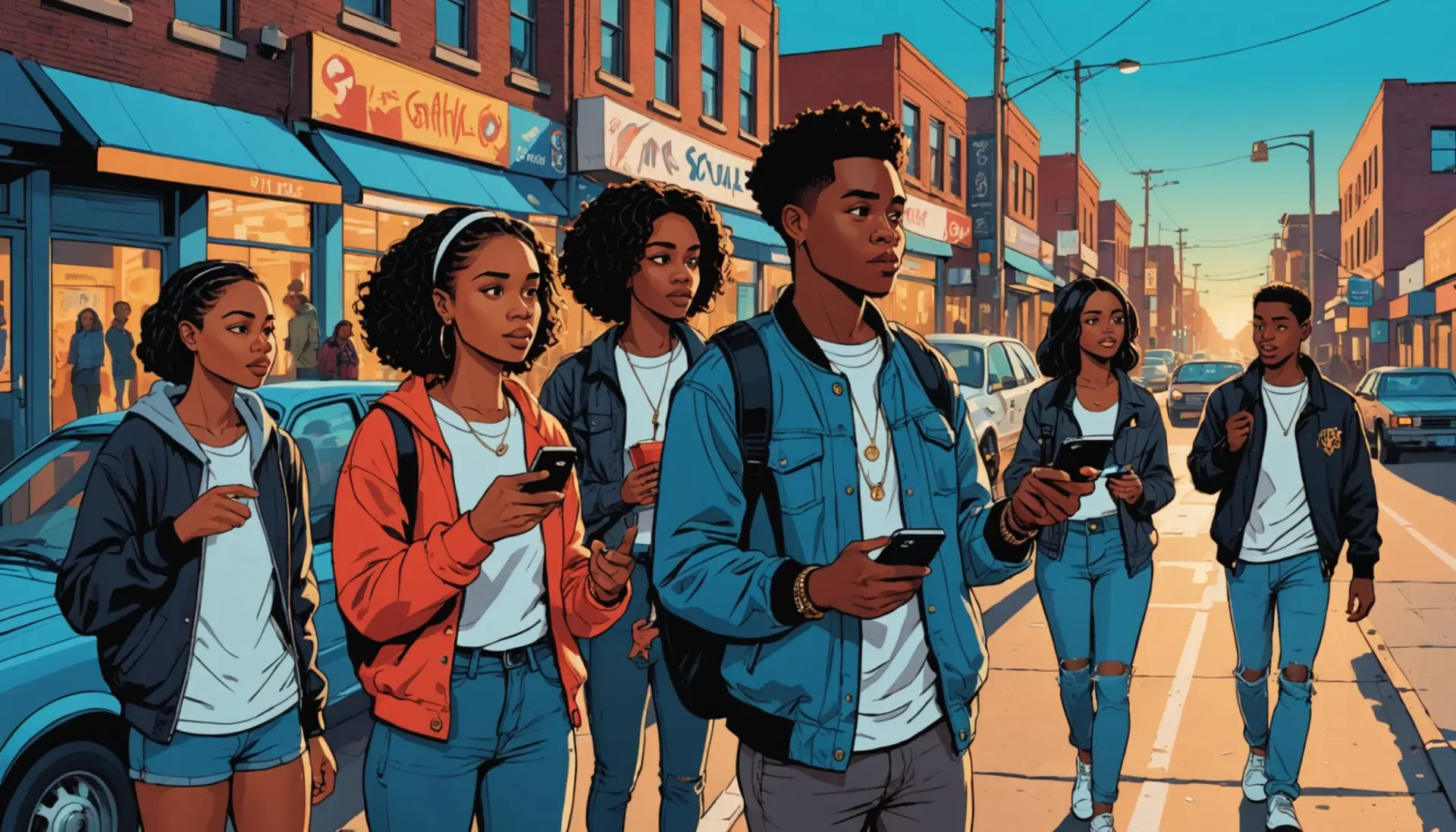

Cops in slang often mean way more than the official word police, and if you listen to different groups, the phrase changes shape fast.
Table of Contents
Cops in slang: Origins and Etymology
There is an old, obvious origin story for the word cop, it probably came from the verb to cop, meaning to seize. That story is part of why people use the shorter term instead of saying police, it sounds punchier and more immediate.
Beyond that, different neighborhoods layered on meanings. In some places cop is neutral, in others it is hostile, and in rap it can be ironic. Language evolves, and the ways people say cops in slang tell you about trust, power, and history in a community.
Cops in slang: Regional Variants and Codes
Say the phrase in New York and you might hear old-school shoutouts like 12 or the 5-0. In the U.K. people use nicknames like bobby or the filth in older slang. In Australia you get copper or the polis said with a local twang, and in some cities kids just say the abbreviation PD.
Regional words carry context. If someone says 12 on a hip-hop track, they mean law enforcement quickly. If your mate in London says bobby, it is often less charged, almost historical. So when you hear cops in slang, ask where that voice is coming from.
Who Says It and Why
Different groups use cops in slang for different reasons. Young people often use it to be casual. Protesters use it to express distrust. Cops themselves sometimes use slang, but usually a different register. Context matters, always.
Think about tone. A comedian saying cops in slang on stage is different from a parent warning their kid about cops in slang during a tense moment. The phrase becomes a signal for either solidarity, warning, or bite-size rebellion.
Cops in Pop Culture and Memes
Pop culture loves shorthand. Rap music turned a lot of police slang into hooks. N.W.A. and Kendrick Lamar both made terms for law enforcement central to their narratives. TV and movies recycle classic lines, which then morph on TikTok into micro-memes.
Memes did something funny, they made certain slang almost playful. The moment someone puts a cop in an unexpected situation, the slang flips tone from serious to comedic. For a quick look at historical use, the Wikipedia page on police is a good starting point, and for dictionary style definitions try Merriam-Webster.
How to Use the Term Without Messing Up
Okay so you asked how to use cops in slang without sounding tone-deaf. First, listen. If the room is using the term to express prejudice or to escalate, follow their lead only if you are in-group. If you are unsure, use neutral language instead.
Also, be aware of power dynamics. Saying cops in slang is different when you are in a community that has negative experiences with policing versus when you are quoting a song. If you are writing or performing, add context so listeners know your position.
Real Conversation Examples
Here are a few real-feeling lines I pulled together from chats, comment threads, and VOX style interviews. These are not verbatim from one source, they are condensed to show real use.
“Shut the music, there’s 12 rolling past.”
That one is classic. 12 equals cops, used as a quick heads-up. You hear it in rap and in street talk when someone is worried about attention.
“Don’t run, just act natural, the cops in slang never liked sudden moves.”
Here the speaker uses the phrase to soften the insult, like a wink. It says the same thing as ‘the police,’ but with flavor.
“Man, my uncle calls them bobbies when he talks about London, weird old habit.”
This shows how regional slang sneaks into family speech. People keep words alive that way, even if younger folks use new terms.
Further Reading and Sources
If you want to track how slang shifts over time, look at corpus and dictionary history. Wikipedia gives the institutional background. Merriam-Webster traces the etymology of cop well. For the meme life of police imagery, sites like Know Your Meme catalog how viral clips change meaning.
On SlangSphere, if you liked this, you might enjoy pieces on related terms like rizz or the classic Bogart. We also covered more modern casual suspicion words like sus.
Final Notes
Language around law enforcement is never neutral. Using cops in slang says something about your politics, your music, your neighborhood, or your humor. That makes the term useful and volatile at the same time. Use it with awareness.
If you want more, tell me the region or song and I will break down the local meanings. Ngl, these little shifts tell you more about a place than a news article ever will.