



Introduction
dim sum meaning slang is more than a foodie phrase. It shows up when people borrow the Cantonese dining ritual to describe sampling, smallness, or a playful variety vibe. Honestly, the image of a cart piled with little plates makes a pretty useful metaphor, so it stuck. This piece teases out where that metaphor comes from, how people actually use it, and why young folks keep riffing on it.
Table of Contents
What Dim Sum Meaning Slang Actually Means
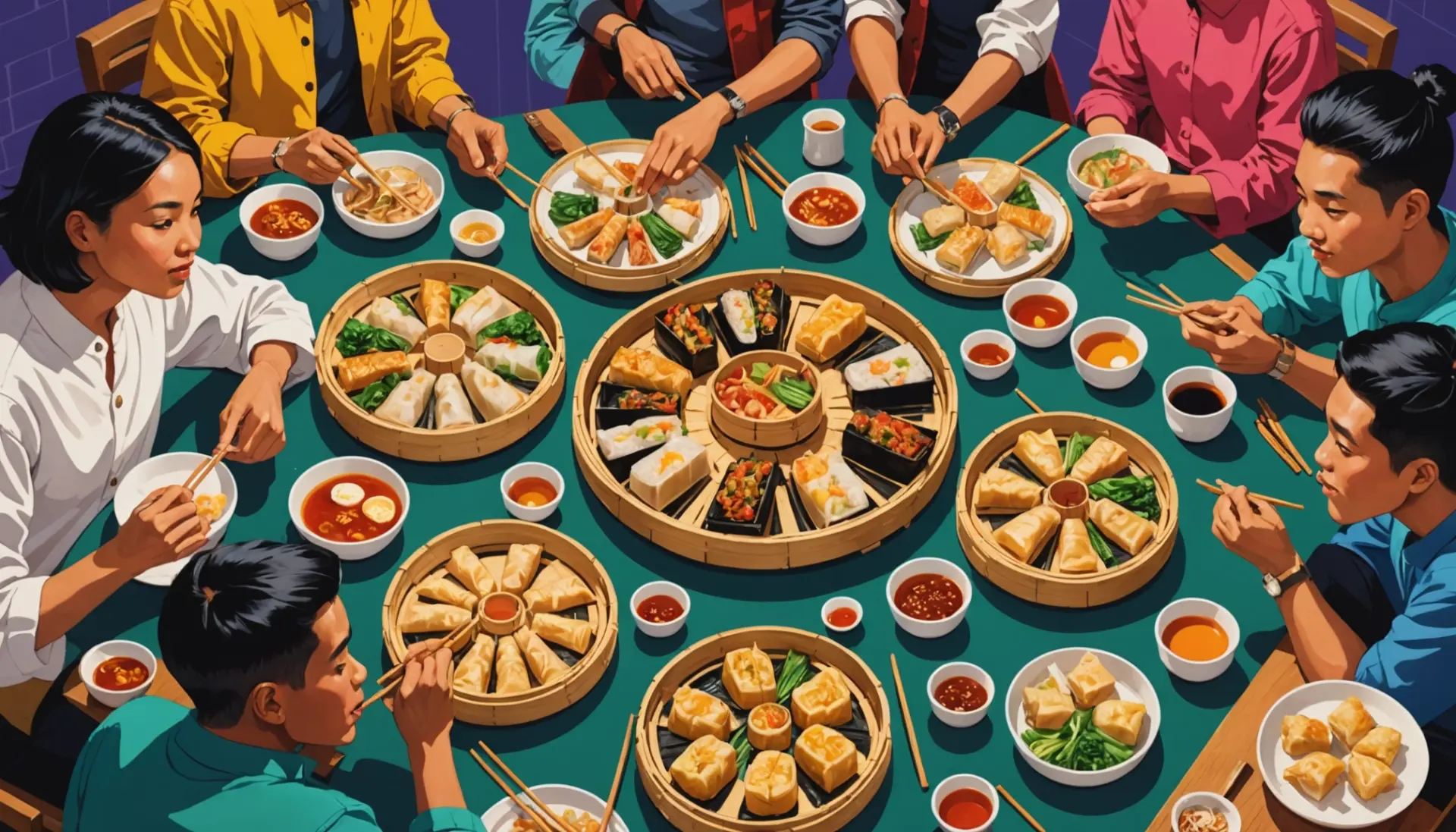
When someone says dim sum meaning slang, they usually mean the idea of sampling many small things rather than committing to one big thing. Think of the brunch where you order five dumplings and try each one. The metaphor translates neatly to music playlists, dating, fashion, or any situation where variety rules.
It is shorthand for small-plate energy, a low-commitment, exploratory vibe. People use it to signal curiosity, playfulness, or a preference for diversity. Short. Tasty. Repeatable.
Origins and Cultural Context
The literal dim sum tradition comes from Cantonese teahouses, where bite-sized dishes accompany tea. For background reading on dim sum as food, check out Wikipedia’s dim sum page. The culinary roots make the slang version feel organic, pun intended.
Migration and diaspora spread both the food and the phrase. In cities with big Cantonese communities like Hong Kong, Vancouver, and San Francisco, dim sum is a cultural staple. Over time, English speakers borrowed the term as a metaphor. For a dictionary take on the food term, see Merriam-Webster.
How People Use Dim Sum Meaning Slang Today
People toss out dim sum meaning slang in casual convos all the time. On TikTok you might see creators caption a clip of a buffet, saying something like, “Dim sum energy today,” meaning they are sampling a bunch of small pleasures. On Instagram a caption might read, “dim sum mood,” to evoke variety and coziness.
It can be a noun, an adjective, or even verb-adjacent. Someone might say, “Let’s dim sum the menu,” to mean try a bit of everything. That usage is playful, slightly cheeky, and very much social media native. You know, like saying “taste test everything.”
Real Conversation Examples
Here are real-feeling ways people actually use the phrase. These are framed as casual chat lines you might overhear at brunch with friends, or see in DMs.
“I’m not ready for a full-time relationship. I’m in dim sum mode, just sampling.”
“We should do a dim sum date, order six plates and share. Low pressure and peak vibes.”
“My playlist is pure dim sum, 30-second snippets of everything I like.”
Those examples show three threads: romance, food-as-ritual, and aesthetic choices. Each one plays off the central meaning. If you want more slang reads, check our takes on rizz and delulu.
Why Dim Sum Meaning Slang Matters
Slang often repurposes food words because food is universal and sensory. Dim sum meaning slang matters because it signals cultural mixing. Young people borrow a Cantonese phrase and reshape it to describe contemporary habits like sampling content, trying new partners, or curating micro-experiences.
It is also a small way to normalize multicultural language in everyday English. That happens constantly, sometimes consciously and sometimes not. The phenomenon is similar to how other terms migrate into mainstream usage, for example the rise of bogart in casual talk.
Further Reading and Links
If you want context on dim sum as a culinary and cultural practice, reading the Wikipedia entry is a good start. For how food words get used in English slang generally, there are useful linguistic essays and media coverage that chart those shifts. The food-as-metaphor pattern goes way back in English, from “bread” meaning money to “spice” meaning excitement.
Also, for a sense of how memes and trends accelerate slang, sites like Know Your Meme document viral usage. For officially documented definitions, dictionaries can provide the basic, non-slang meaning, which helps trace the metaphor.
Quick Takeaway
So, dim sum meaning slang equals a shorthand for sampling, small-plate energy, and playful variety. Use it when you want to say someone is trying a bit of everything, or when you yourself prefer micro-choices over full commitment. It is cozy, versatile, and culturally rooted.
And yeah, if you are invited to a dim sum date, show up hungry. Ngl, that is the easiest way to honor the term.