


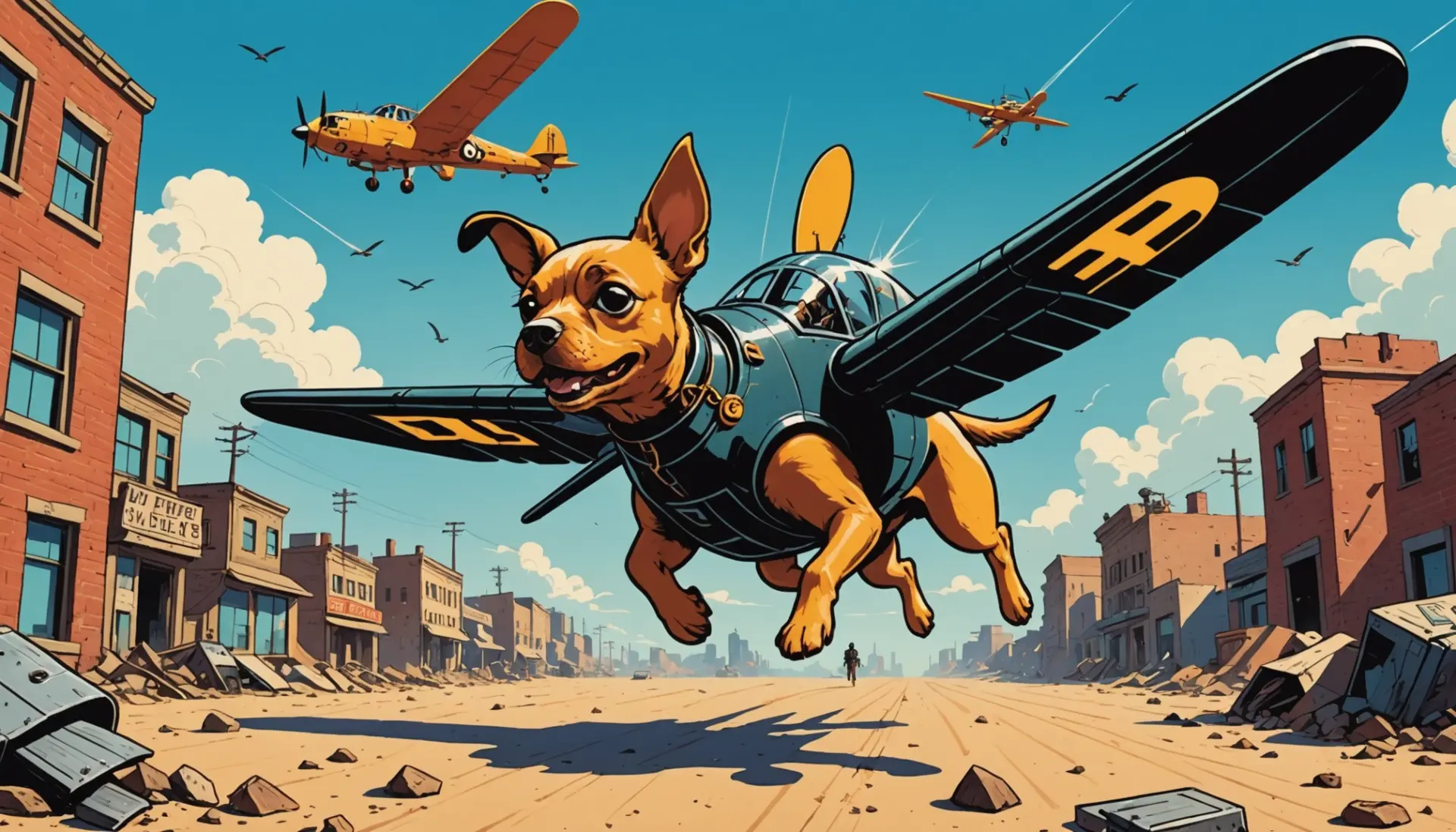

Doodlebug Slang Meaning: A Quick Intro
doodlebug slang meaning is one of those odd little terms that pops up in history books, family stories, and weird corners of the internet, and then refuses to leave. Honestly, it smells like wartime, backyard science, and affectionate nicknames all wrapped into one weird word. I want to untangle the ways people have used it, what it actually meant in different eras, and how you might hear it today.
Yes, the phrase sounds cute. Also a little ominous. That contrast is the reason it stuck around. Read on for examples, receipts, and the tiny cultural beats that keep this word alive.
Table of Contents
What doodlebug slang meaning Actually Means
At its simplest, doodlebug slang meaning covers a handful of related notions: first, the WWII V-1 flying bomb nicknamed the doodlebug; second, a kind of small insect or larval pit predator often called an antlion or doodlebug; and third, people who search for oil or minerals, sometimes called doodlebuggers. Those are the big three, but context is everything.
People use the word as a playful nickname too, for kids or pets, and even as a term of mild derision for someone being clumsy or nosing around. So if you hear the phrase, ask: are we talking history, critters, or a goofy pet name?
Where doodlebug slang meaning Comes From
The most famous origin story ties doodlebug slang meaning to the V-1 flying bomb, used by Germany in World War II. British civilians heard the buzzing engine before the bomb fell, and the term doodlebug captured both the sound and the eerie unpredictability. If you want a deep read, see the historical entry on the V-1 flying bomb at Wikipedia.
Before and alongside that wartime meaning, American English had used doodlebug for different things. Rural kids called antlion larvae doodlebugs because of the little pits they dig in sand. Oil prospectors and seismic survey crews were nicknamed doodlebuggers after the tiny, persistent searchers they were.
How doodlebug slang meaning Gets Used Today
These days, doodlebug slang meaning shows up in three flavors. First, historical or military reference. You might hear a museum tour guide say: “The doodlebug was the first kind of cruise missile.” Second, nature or regional talk: “We dug up a doodlebug in the backyard.” Third, affectionate or joking nickname: “My niece calls her dog Doodlebug.” The internet mixes all three, often in the same thread.
On social media, you can find people calling someone a doodlebug as a light, silly jab. Think: “Stop sniffing through my messages, doodlebug.” It is rarely, if ever, a serious insult. More like: stop being curious, go play.
Examples: Real Conversations Using doodlebug slang meaning
The best way to understand usage is to read how people actually say it. Here are some realistic examples you might overhear or see in text:
Friend 1: “Why are you poking around my desk?”
Friend 2: “Me? I am not the doodlebug. Chill.”
Grandparent: “During the Blitz we used to hear the doodlebugs at night. Terrifying, honestly.”
Neighbor: “Found a doodlebug in the sandpit, anyone know what it is?”
Those feel conversational, right? Short, slightly amused, sometimes haunted. The wartime example uses doodlebug in the historical sense, while the others are the nicknaming and insect meanings. If you want a definition from a dictionary, check Merriam-Webster for doodlebug or a quick lexical take at Dictionary.com.
Why doodlebug slang meaning Stuck Around
Language loves contrast and imagery. doodlebug slang meaning has this in spades. The word sounds adorable, which makes it perfect for pets and kids, but it also names something noisy and deadly, the V-1. That tonal mismatch is memorable. Plus the rural uses tie it to childhood play and curiosity, which makes it portable across generations.
Memes and casual internet chatter help. People repurpose old words all the time. Someone will call a clumsy roommate a doodlebug and the joke spreads. Or a history account about the V-1 uses the term and someone younger Googles it and learns the antlion meaning. Small cross-pollination keeps the term alive.
If you want nerdy background on the critter side, check the antlion materials and pit-building insect notes on Wikipedia’s antlion page. The natural history and the wartime nickname feed each other culturally.
Final Thoughts on doodlebug slang meaning
So, what do you actually need to remember? doodlebug slang meaning is plural in use: wartime weapon, insect, prospector, and playful nickname. Context gives you the right flavor. If someone calls your pup “Doodlebug,” they are being cute. If a history teacher mentions doodlebugs, brace yourself for a WWII story.
Language is messy and fun. Words like doodlebug are a reminder that slang and slang-ish terms don’t always come from one place. They travel, pick up meanings, and sometimes get rebranded by your weird uncle on Facebook. Use the word. Say it out loud. It sounds ridiculous and kind of brilliant. ngl, I like it.
Want more slang like this? Read related entries on rizz and bogart to see how old words get new life.