


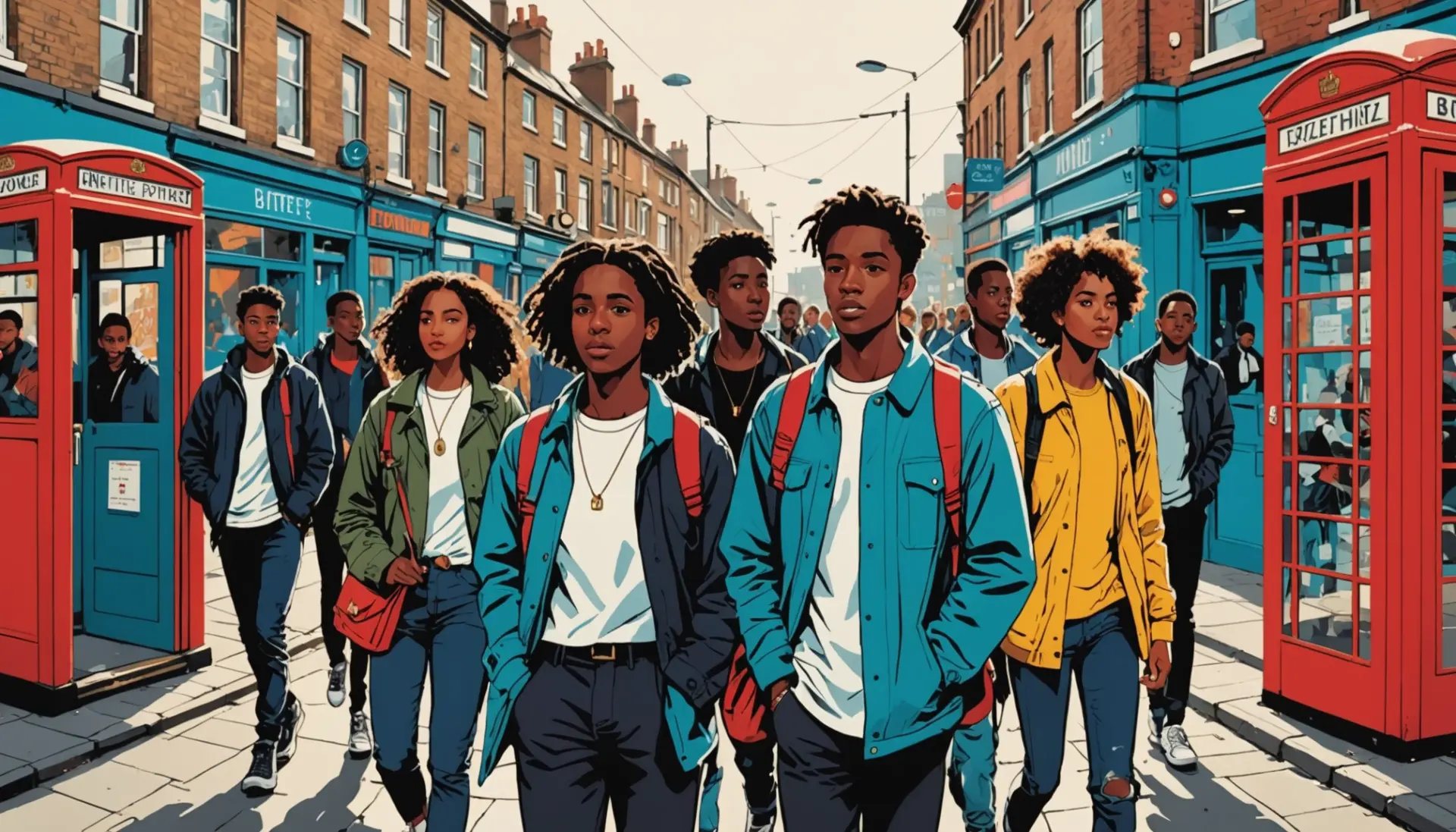

Introduction
england slang words are a deliciously messy mix of Cockney rhymes, regional bits, recent grime lines, and everyday cheek. Honestly, it changes depending on if you grew up in Newcastle, London, or down in Cornwall, and that variety is the whole point. If you want to sound local, or just understand your mates on the train, a few of these will do you better than a phrasebook.
Table of Contents
What Are England Slang Words (england slang words)?
Put simply, england slang words are informal expressions used across England that carry local flavor, social cues, and sometimes humour. They include everything from centuries-old Cockney rhymes to modern youth talk that appeared on TikTok or in a Stormzy verse. Some are harmless, some are charmingly rude, and some will mark you as an outsider if used wrong.
Common England Slang Words You Hear Daily
Okay so here are the ones you will bump into most. “Mate” is the OG friendly filler: everyone says it. “Cheers” covers thanks, goodbye, and a toast, depending on context. “Sorted” means fixed or arranged. “Knackered” means exhausted. “Gutted” is disappointment in full colour.
Then you get the slightly darker ones, like “dodgy” for suspicious, or “skint” to say someone is out of money. And for buying things, “quid” is a pound. These england slang words show up in pubs, shops, and group chats alike. Use them and you will sound normal. Overuse and you will sound like you spent a week watching British sitcoms.
Regional england slang words You Should Know
England is tiny geographically, but huge linguistically. Northern England loves words like “mate” and “rewind” but also has gems such as “bairn” in older dialects for child, or “mint” meaning good. In the Midlands you might hear “pet” as a term of affection. Down South, London slang borrows heavily from multicultural London English: “mandem” for a group of male friends, “peng” for attractive, and “peak” to say something is unfortunate.
Cockney rhyming slang deserves a shout. It was born in East London and gave us things like “apples and pears” meaning stairs, or “dog and bone” for phone. Want a quick primer? The historic form is well documented on Wikipedia, which traces how playful rhymes became everyday speech.
How to Use England Slang Words Without Looking Dodgy
Listen first. Use second. That is the rule. If a mate says “you all right, mate?” you can answer “alright” or “yeah, I’m good” and throw in a “cheers” later. Match tone, not vocabulary volume. Too many slang words at once is cringe, ngl.
Context matters. Saying “peng” in a formal work email is a guaranteed facepalm. Saying “sorted” after someone helps you will sound helpful and human. Also keep register in mind: some england slang words are affectionate, others are insulting, and a few are old-fashioned or region-specific.
Real Examples in Conversation
Here are actual examples so you can copy a natural rhythm. I wrote these as if you overheard them in a pub or read them in a group chat.
Mate 1: “You coming to the gig tonight?”
Mate 2: “Yeah, I am, just gotta sort a babysitter. Gutted if I miss it though.”
Another:
Text: “Left my phone on the bus, absolutely muppet moment. I’m skint too so can’t even buy a new one.”
Or a northern chat:
Friend: “Heard you met Sam, was she peng?”
You: “Dead peng, proper fit.”
These examples use england slang words naturally, not as a checklist. They show how tone is compact and context-rich. If you want more modern youth examples, listen to grime tracks. Artists like Stormzy or Dave toss slang into bars, and you will pick up usage quickly.
Origins and Cultural Influences on england slang words
The history is messy and great. Some words come from Old English or regional dialects. Some are imports from immigrant languages that settled in urban centres, particularly in London. Caribbean, South Asian, and African language influences show up in contemporary Multicultural London English. That is why modern london slang feels global.
Music, TV, and social media amplify new terms. The 2010s grime and UK garage scenes helped bring words like “mandem” and “peng” into mainstream youth lexicon. And classic TV shows such as Only Fools and Horses or Coronation Street helped cement older regional terms into national humor.
Further Reading and Links
If you want to go deeper, check out authoritative sources. Cockney rhyming slang history is summarized on Wikipedia. For dictionary-style definitions try Merriam-Webster or Cambridge Dictionary pages like their entry for “cheers” at Cambridge. Those will give you formal meanings alongside usage notes.
Also, for slang-whisperers on this site, read more on terms related to this topic: rizz, bogart, and peng. They connect to the same culture web that shapes england slang words.
Final Tips
One last thing: be curious, not performative. Use england slang words to connect, not to play-act a stereotype. If someone corrects you, laugh it off and try again later. People appreciate the effort more than perfection.
Got a favourite england slang words you think I missed? Hit me up in the comments or slide into a UK subreddit and listen. Language is alive, constantly shifting, and that is what makes it fun.