



Intro
far out slang meaning is a phrase that most people recognize as vintage 60s praise, but honestly it has more shades than just “cool” or “weird.” People drop it to mean mind-blowing, unconventional, or straight-up strange, depending on tone and era. Ngl, the phrase shows up in old rock interviews and modern ironic tweets alike.
Table of Contents
Far Out Slang Meaning: Origins and Early Use
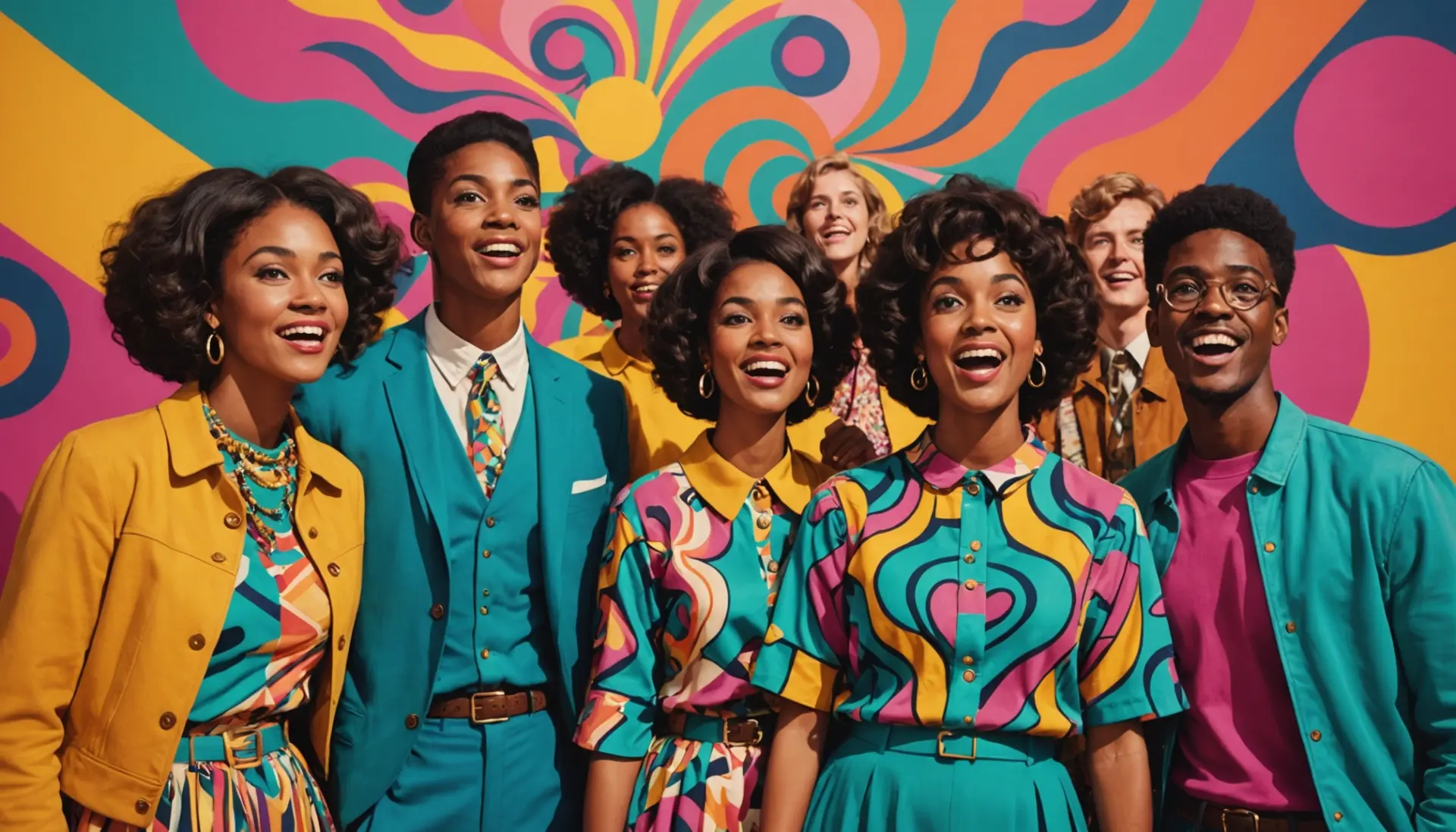
If you trace far out slang meaning back in time, you land in the late 1950s and peak 1960s counterculture. The phrase was a compliment in psychedelic and beat circles, a way to say something was striking, radical, or expanded-your-mind-level impressive. Think Jimi Hendrix at Monterey, the Summer of Love in San Francisco, or reviews that called a record “far out” and meant it in the highest way.
Scholars and dictionaries track the term to that era. For a clean definition, check out the Merriam-Webster definition. If you want context on why the 60s birthed so much slang like this, the 1960s counterculture page is a good read. Both show how adjectives like “far out” were part compliment, part cultural marker.
Far Out Slang Meaning: How People Use It Today
These days, far out slang meaning has split into multiple vibes. Some people still use it genuinely, like when a film or song knocks your socks off. Others say it ironically to mock something performatively retro. And others use it to describe weird or surreal stuff, like an art installation that makes you tilt your head and wonder what you just saw.
In casual speech you’ll hear it across generations, from older folks who kept the word to Gen Zers using it ironically on TikTok. It’s elastic. Context and tone decide whether “far out” is praise, sarcasm, or gentle bewilderment. Cambridge’s entry helps if you want that short-form meaning: Cambridge Dictionary.
Examples: Real Conversation and Pop Culture
Real talk examples make this less abstract. Here are a few ways people actually use the phrase.
Friend 1: “You heard her new single?”
Friend 2: “Yeah. Far out. Like, totally different vibe.”
Roommate 1: “Someone painted the hallway neon pink and added disco mirrors.”
Roommate 2: “Bro, that’s far out. Also, help me move the couch.”
And on social media you’ll find the phrase used in memes that riff on the 60s aesthetic. Films and shows sometimes play the term for laughs. Remember Austin Powers leaning into retro language to comedic effect? Same energy. The phrase pops up in music writing too, where critics might call a track “far out” to suggest it is experimental or audacious.
How to Use “Far Out” Without Sounding Corny
Want to say far out but not sound like a walking vintage store? First, match your audience. If your friends speak ironically, do an ironic drop. If a genuine moment of awe hits, keep it simple: “That was far out.” Short and true does the trick.
Also, pair it with context. Saying “far out” alone can read as lazy or dated, but saying “That solo was far out, like Hendrix-level” gives color and credibility. Use it sparingly. Like most retro slang, it lands better when you mean it and when you give people a reason to feel it too.
Sources and Cultural Notes
If you want to nerd out further on the term, the Merriam-Webster entry is a neat anchor point. For historical color on why such slang spread in that era, the Wikipedia writeup on the 60s counterculture is helpful. There are also great slang retrospectives in books about rock journalism and the Beat scene.
For adjacent slang, we have a few pieces that touch the same vibe here at SlangSphere, like groovy and psychedelic slang. If you want a stylistic contrast, check out what we wrote on bogart slang meaning, which lives in a different era but shows how slang shifts meaning over decades.
Final thought: far out slang meaning is proof that language is a time capsule. Say it once and you evoke records, protest posters, and lava lamps. Say it another way and you summon ironic TikTok tracks or snarky group chats. Words carry their history. They also make great captions.