



Intro
Feline meaning slang is a tiny phrase with big vibes, and you have probably seen it sliding through captions, tweets, or TikTok bios. People use it to describe mood, movement, or an aesthetic that feels sleek, sly, or undeniably cool. Think catwalk energy, but for personality. It can be flirty, aloof, or straight-up intimidating, depending on context.
Okay so, before you decide it just means “cat,” hear me out. The slang has layers, and like any good meme-born term, it mutates fast. I will unpack where it comes from, how people actually use it, and why it stuck around longer than most trend words.
Table of Contents
Feline Meaning Slang: Origins and Definitions
When someone types feline meaning slang online they usually mean one of three related things: catlike movement or posture, an aura of controlled sensuality, or a mood of calm superiority. That is the surface-level definition. But language loves nuance, and this phrase drips with attitude.
In practice, calling something “feline” can praise a slick outfit, describe a coy look across the room, or roast someone for being distant. It can be literal, like a gif of a stretching cat, or figurative, as when a rapper boasts about being “feline” on a track. Context is everything.
Feline Meaning Slang: How People Use It Today
On Instagram, a caption might read, “Mood: feline tonight,” meaning the poster is channeling sleek, seductive energy. On Twitter, someone might clap back, “Don’t act feline with me,” which reads as, stop being aloof. And on TikTok, creators tag dances “#felineenergy” to highlight sinuous moves.
It is versatile. You can compliment a makeup look with, “Your cat-eye is so feline,” or describe a friend who dodges texts as, “He’s being feline, ghosting again.” The tone shifts by delivery: playful, admiring, or salty.
Where Feline Slang Came From
The idea of catlike attributes predates the internet, obviously. Cats have been cultural shorthand for mystery and sensuality for decades. Think classic Hollywood starlets, or the way pop performers use cat-eye makeup to signal fierceness.
Online culture crystallized that shorthand into slang. Memes like “Grumpy Cat” and “Woman Yelling at a Cat” normalized using cat imagery to convey complex feelings. For historical background on cat culture, you can check a general overview at Wikipedia or the classic dictionary sense of feline at Merriam-Webster. And if you want to see how cats became meme royalty, Know Your Meme’s Lolcats archive is a fun read.
Tone, Register, and Who Says It
Feline meaning slang often travels through younger social groups, but you will hear it in drag circles, fashion commentary, and celebrity interviews. Stars who cultivate polished, a little dangerous personas sometimes get described as “feline” by fans or journalists. Think of someone who always has perfect eyeliner and moves like liquid, and you’ve got the vibe.
It is not academic jargon. It is emotional shorthand. Use it with friends, in captions, or in a roast. But be careful if you are writing a formal piece, because the slang carries a casual flavor that doesn’t translate to reports or résumés.
Real Conversation Examples
Here are real-feeling snippets that show how people actually say this. I picked lines that sound like DMs, not dictionary entries.
Friend A: “You going out?”
Friend B: “Yeah, feeling feline tonight. New lashes.”
Colleague: “Is she mad?”
You: “Nah, she’s just being feline, give her space.”
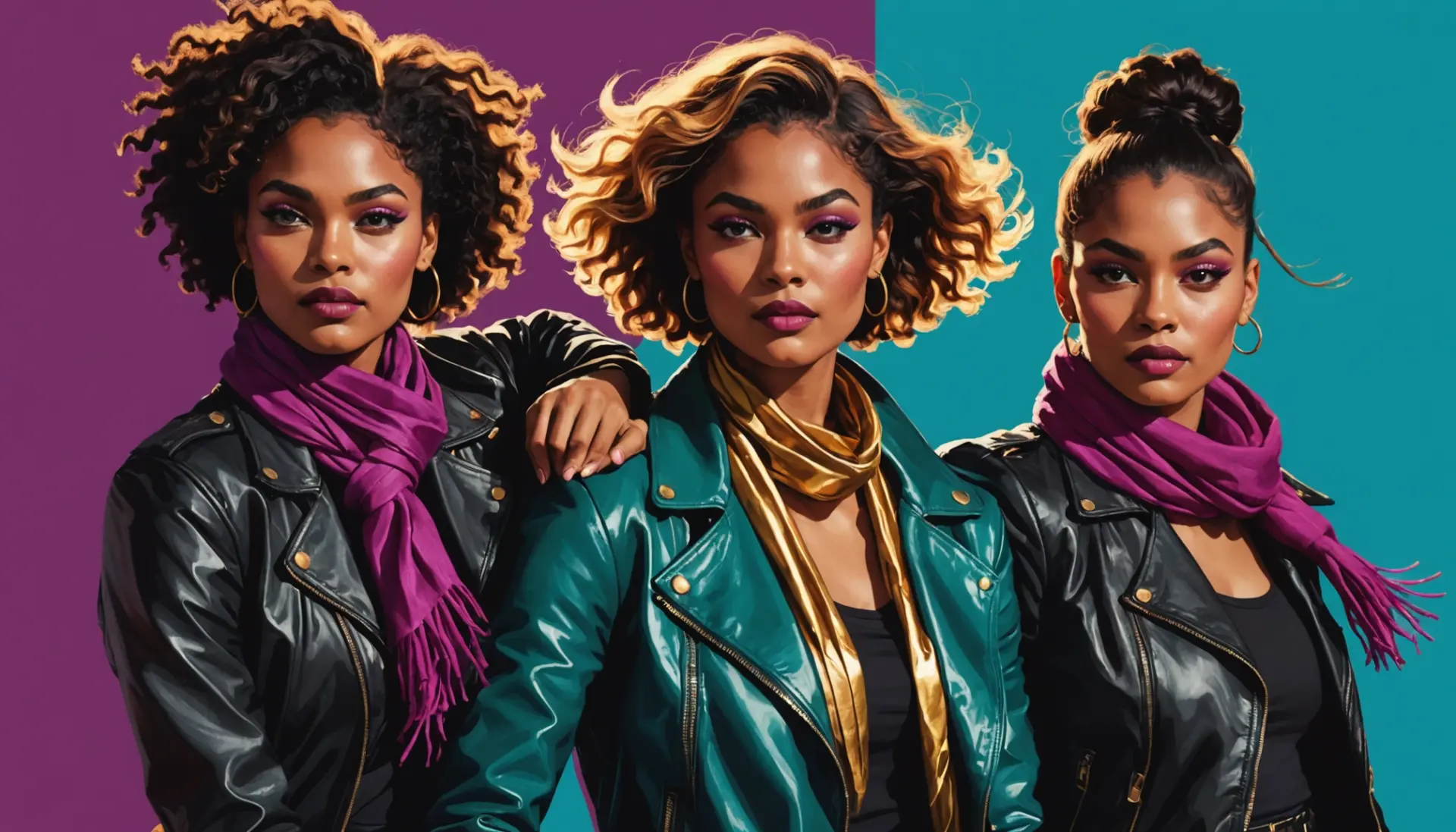
Caption under a street-style photo: “That leather fit is totally feline energy.”
Ngl, those examples cover most uses: mood flex, social behavior, and aesthetic praise. Sliding the phrase into speech is effortless once you hear it used this way.
Why Feline Meaning Slang Stuck
Short answer, cats are eternally relatable and the adjective is evocative. When a word conjures a clear image, people latch on. Feline meaning slang taps into existing cultural reference points, so it spreads quickly across platforms.
Also, it’s flexible. The same word can be coy or cutting. That ambiguity makes it useful for influencers, writers, and anyone who likes a compact vibe-check phrase. Memes accelerated it, pop culture polished it, and younger users adapted it for everyday speech.
Misuse and Warnings
There is a subtle trap. Calling someone “feline” can feel objectifying when used to sexualize someone without consent. It can also carry class or gendered overtones if misapplied. So read the room.
If you are unsure whether the compliment lands, add a clarifier. Say, “Your moves are so feline,” rather than, “You’re feline,” which can sound like labeling. Language matters, even in casual chat.
How Feline Meaning Slang Compares to Similar Terms
Compare it to “rizz,” which deals with charm and flirting, or “catty,” which means mean or snarky. They overlap but are not identical. Rizz is about charisma, catty is about attitude, and feline covers posture, vibe, or sensuality.
If you want a deeper read on related slang, check out our pieces on rizz and catfish-slang-meaning. For the stan culture angle, here is another related post: stan-slang-meaning.
Final Thoughts
So what should you take away? Feline meaning slang is a compact, image-rich way to describe a mood, look, or energy that is sleek, confident, and slightly unreadable. Use it to compliment style, call out aloofness, or caption a moody selfie.
Language moves fast, but this one feels durable because it plugs into long-standing cat imagery and modern meme culture. If you start saying it, expect some friends to copy you within a week. This is both inevitable and petty. Love it or roll your eyes, “feline” is a slippery little word with a lot of personality.