


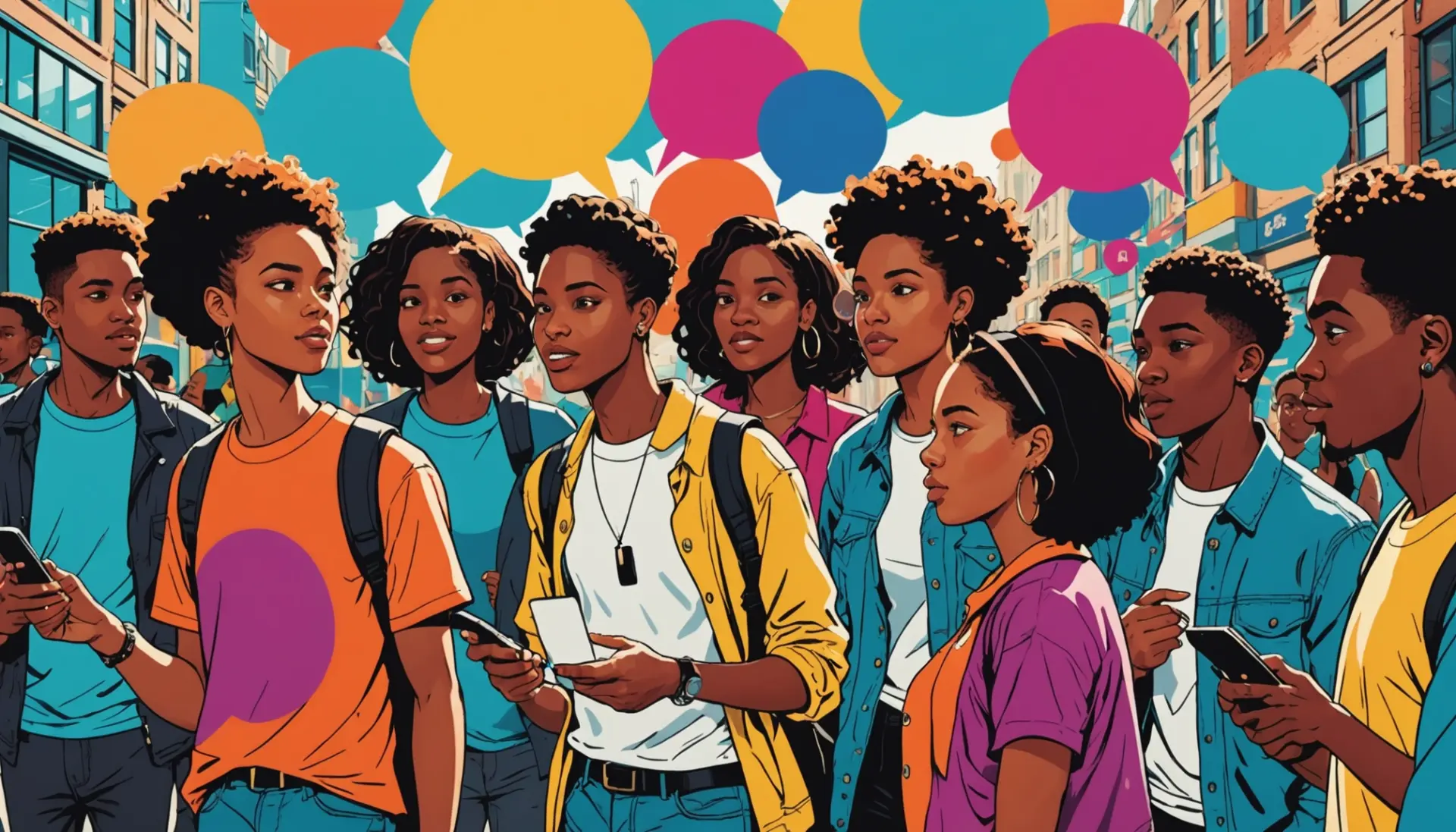

What Is folk meaning slang?
folk meaning slang is the phrase people toss around when they want to describe how everyday use reshapes a word away from its textbook sense.
Think of it like neighborhood storytelling for language, where a word gets repainted by common usage and cultural vibes. It is not always malicious, just messy and human.
Table of Contents
folk meaning slang Origins
People often confuse folk meaning slang with formal etymology, but they are cousins, not twins. Folk meaning slang grows out of repeated community use, memes, music, and viral moments that bend a definition until it fits a new emotion or situation.
Take the classic case of the word literally, which got stretched by hyperbole and pop culture until it often signals emphasis rather than strict, literal truth. For more academic reading on how words shift under popular use, see Wikipedia on folk etymology, which traces similar processes in older forms of language change.
folk meaning slang Examples
Okay so, examples help. When someone says “That movie was sick,” most listeners interpret sick as amazing, not ill. That is folk meaning slang in action, where shared usage rewrites expectation.
Here are a few real-life usages you might see on social media or in texts, ngl they are everywhere.
“Bro that outfit is sick.”
“I lowkey ghosted because I was insecure.”
“She said ‘literally’ and meant the opposite.”
These examples show how community consensus can change a word’s feel faster than dictionaries update. For historical context on word change and prescriptive vs descriptive descriptions, Merriam-Webster offers useful definitions and notes on evolving usage Merriam-Webster.
folk meaning slang Misunderstandings
People often treat folk meaning slang like a mistake, but that is a narrow view. Language users are creative and social, so when a word shifts it usually fills a communicative need or signals belonging to a group.
Yes, older speakers will sometimes correct younger ones. And yes, teachers will roll their eyes at literal used as emphasis. But correction does not erase the social reality that meanings evolve through use.
folk meaning slang How to Use
So how should you handle folk meaning slang in your own speech? First, listen. Language is social currency, and using the local meaning can smooth a conversation or mark you as in the know.
Second, check context. In formal writing, stick closer to standard definitions. In a group chat, go with the flow. If you are ever unsure, a quick ask like “You mean sick as in cool?” works wonders and sounds chill, not pedantic.
Why people care
Why is this even worth thinking about? Because folk meaning slang tells you who is speaking and what they value. A word change often signals identity shifts, like how “bad” became a compliment in certain music scenes, famously amplified by artists like Michael Jackson and later hip hop communities.
Language shifts also register cultural moments. Remember when “woke” went from meaning awake to social awareness to a political punching bag? That path shows folk meaning slang can move from in-group shorthand to mainstream debate fast.
Some quick tips for writers and editors
If you are editing content, be aware that flagging every instance of folk meaning slang as wrong will make your piece sound out of touch. Instead, note audience and tone, then decide whether the folk meaning serves the text’s purpose.
Pro tip, if a phrase is heavily meme-driven, link to context or a source. Know Your Meme is useful for tracking viral usage, though not every slang needs a citation Know Your Meme.
folk meaning slang Finale: a short checklist
Here is a short mental checklist for dealing with folk meaning slang: listen, identify the intended meaning, consider audience, then choose whether to mirror or clarify. Simple, but effective.
Language is alive. Folk meaning slang is evidence, not error. Use it smartly and you will sound current without being sloppy.
Real convo examples
Below are realistic lines people actually send. They show tone, not instruction.
“You coming? The party’s gonna be lit.”
“Don’t be salty, I didn’t steal your snack.”
“He called it trash but meant avant garde, weird flex I guess.”
Further reading and internal links
If you want to read more on related slang and modern usage, check out our take on rizz and why charm can be described in a single word. Also, see our piece on delulu for how fandoms reshape meaning.
There you go. Next time someone mentions folk meaning slang, you can actually explain what they mean, and sound neither pretentious nor lost. Win win.