



Intro: What This Post Covers
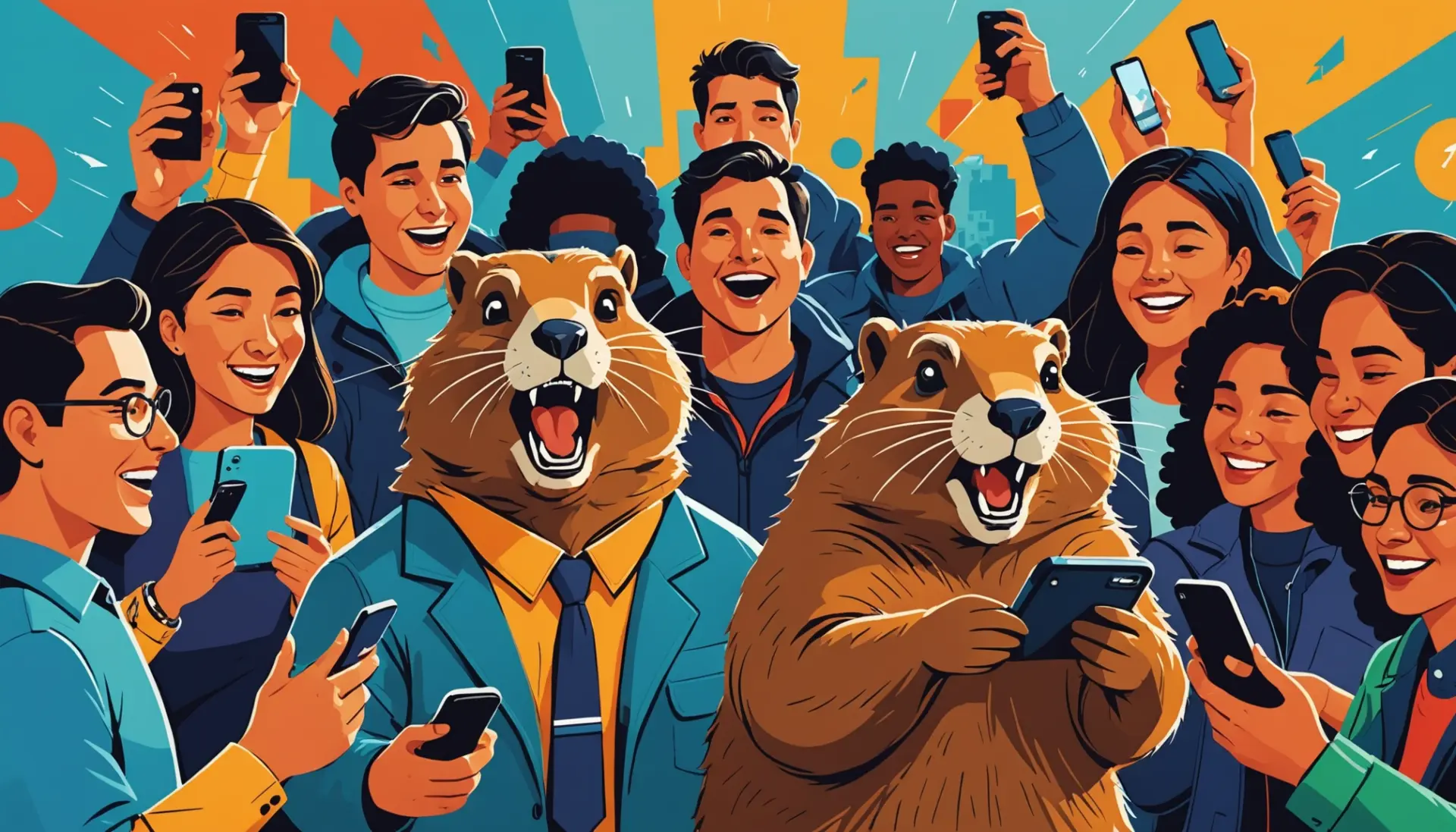
groundhog meaning slang is basically shorthand for repeating behavior or a person who keeps reappearing, like the movie Groundhog Day.
Okay so this term has been floating around socials and group chats more than you might expect. I want to give you the cultural receipts, real examples people actually say, and a quick guide for using it without sounding cringe.
Table of Contents
What Groundhog Meaning Slang Actually Means
When people throw around the phrase groundhog meaning slang, they usually mean one of two things: repetition, or the act of returning to something or someone after vanishing.
Repetition is the easy one. If your buddy always cancels plans, only to make the same excuses every week, you might call that groundhog behavior. The other sense is more conversational: someone who disappears for a while and then pops back into your life, acting like nothing happened, gets labeled a groundhog.
Origins of Groundhog Meaning Slang
The obvious cultural ancestor here is the film Groundhog Day, where Bill Murray relives the same day over and over. That movie gave English a shorthand for cyclical, repetitive behavior. You can read more about the film and its cultural impact on Groundhog Day on Wikipedia.
On top of that, memes and TikTok trends hammered the idea home. People started applying the movie metaphor to relationships, jobs, habits, and bad flare-ups. For the animal definition, good old Merriam-Webster explains what a groundhog actually is, which is where the original metaphor comes from Merriam-Webster.
Common Contexts and Examples
Here we get practical. People use groundhog meaning slang on Twitter, in DMs, and IRL. Below are examples that reflect how you’d actually say it, not some dictionary-sounding sentence.
“Ugh he groundhogged me again, texts for three days then ghost disappears.”
“My roommate is a total groundhog, same messy week every month.”
“This job interview process keeps looping, it’s so groundhog energy.”
Those show the two flavors: the interpersonal vanish-and-return vibe, and the repetitive pattern vibe. People also say “groundhogging” as a verb, like, “Stop groundhogging me,” when someone keeps resurfacing to ask for favors.
How Gen Z Uses Groundhog Meaning Slang vs Older Folks
Gen Z tends to use groundhog meaning slang with playful snark. It’s part meme language now. On TikTok you’ll find creators labeling cycles or people as “groundhog energy” and it lands like a wink instead of a full roast.
Millennials will reference the movie more directly, or just say “this is Groundhog Day” in a less slangy way. Older generations might not use the single-word form as casually, but they understand the shorthand because the movie and the phrase are cultural staples. For meme history, check Know Your Meme on Groundhog Day.
Why It Matters and Related Slang
Why care about groundhog meaning slang? Because language maps behavior. Calling someone a groundhog signals frustration with repetition or performative reappearance, and that can change how people react in friendships and dating.
It also sits near a cluster of relationship slang like ghosting and breadcrumbing. If someone groundhogs you, they might have ghosted you previously, or they might be breadcrumbing as a habit. Saying “groundhogged” is sharper than “ghosted,” because it calls out the return as much as the disappearance.
Quick Cheat Sheet, How to Use It, and a Few Warnings
If you want to use groundhog meaning slang without sounding try-hard, keep it casual. Use it in small group chats, caption memes, or roast your friend who cycles through the same bad decisions. Try: “That move is so groundhog energy,” or “He groundhogged the group chat again.”
Warning: it can come off as passive-aggressive if used in direct messages to someone who’s actually trying to apologize or change. Language shames can shut down conversations, not fix patterns. If the goal is repair, plain talk works better than slang.
Final Thoughts
The phrase groundhog meaning slang packs a lot into a small package. It’s cultural shorthand that flags repetition and resurfacing behavior, and it’s flexible enough to label habits, people, and vibes.
So yeah, use it. Give credit to the movie, laugh at the memes, but don’t weaponize it. If you want more slang reads that pair well with this topic, try our take on rizz and cringe for the broader vibe vocabulary.
Further Reading
Want deeper cultural context? The film is a classic, and memes kept the idea alive. Read the classic page on Groundhog Day on Wikipedia and the meme timeline at Know Your Meme. For the animal origin and dictionary context, see Merriam-Webster.