



haymaker urban dictionary is exactly the search you type when someone on Twitter drops a line that knocks the whole convo out cold and you want the slang explained, fast.
Okay so, let me be honest: haymaker started as a literal heavy punch, then it got stretched into metaphor. Urban Dictionary users helped the slang bloom into a dozen flavors, from boxing chatter to savage clapbacks. NgL, it is fun to watch a single word do that.
Table of Contents
Haymaker Urban Dictionary Meaning
The phrase haymaker urban dictionary usually points to two related ideas: the literal big knockout punch, and a figurative, devastating verbal or rhetorical blow. Early Urban Dictionary entries lean into the boxing sense, but later ones emphasize the metaphorical: a comment or move that lands so hard it ends the argument.
So if someone writes “that roast was a haymaker,” they mean the diss landed like a punch. It implies force, finality, and sometimes a little flair. Think of it as the mic-drop moment, but with teeth.
Haymaker Urban Dictionary Origins
The root word goes back farther than social media. Merriam-Webster documents “haymaker” as a heavy swing or blow, originally from the physical work of making hay, which sounds violent if you imagine it. See Merriam-Webster for the classic definition, which still informs how people use the word today: Merriam-Webster: haymaker.
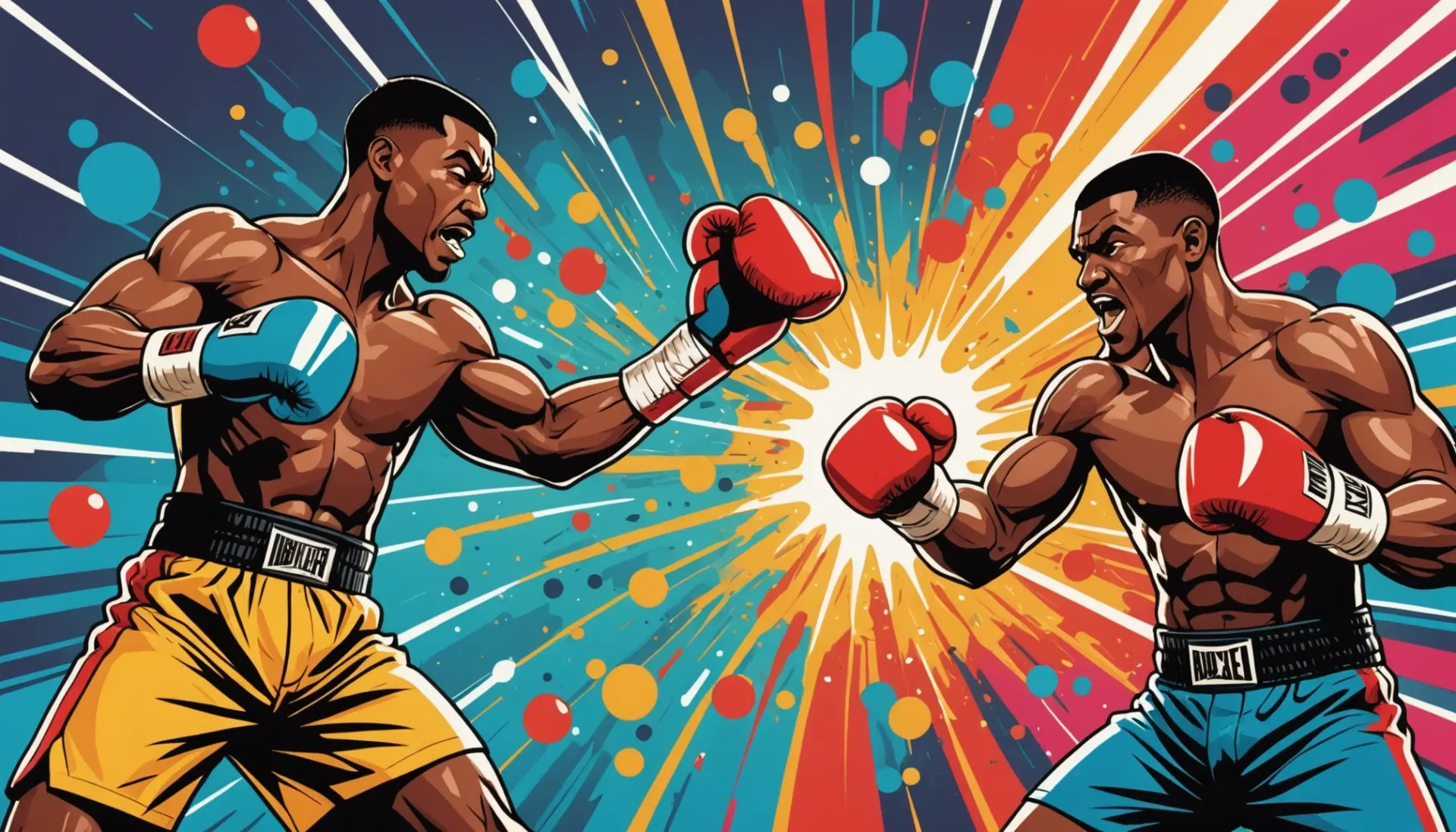
Boxers loved the term. A haymaker is that wild, looping right or left that can end a round, or a career. Those matches get rewatched on highlight reels and GIFs. The sports usage fed straight into slang, and Urban Dictionary captured the online stretch from fist to phrase.
For a quick background on how single words go from literal to cultural shorthand, check the general boxing and punch history on Wikipedia: Wikipedia: Punch (boxing). That context helps explain why a physical haymaker became a verbal one.
Haymaker Urban Dictionary Examples
Real-world usage matters, so here are how people actually drop it in chat or captions. These are the kind of lines I see on X, Reddit, or in DMs.
Friend A: “She said he ghosted her because he ‘needed space.'”
Friend B: “Bro, that was a haymaker. Burned him alive.”
Post caption: “The debate was calm until she pulled out receipts. Haymaker.”
And in sports or fight commentary: “He swung with a haymaker in the third, and that was it.” Same word, different stage. Urban Dictionary entries collection-style often show this range, from playful insult to actual knockout description. You can browse the community snapshots here: Urban Dictionary: haymaker.
Examples with tone
Some uses are light and jokey. Others are vicious and final. Tone is everything. If you call a snarky reply a haymaker in a group chat, people will laugh. If you accuse someone of throwing a haymaker in a public argument, that suggests an intent to land a humiliating blow.
Haymaker Urban Dictionary: How People Use It Today
People use the phrase across conversations about sports, politics, relationships, and pop culture. It shows up in meme captions, music lyrics, and fight commentary. Drake-style flex? Could be a lyrical haymaker. Celebrity takedown? Also a haymaker. The phrase is flexible, which is why Urban Dictionary entries multiplied so fast.
Here are common tones and why they matter. First, the compliment haymaker. Someone lands a witty knock and fans salute. Second, the factual haymaker. A decisive fact or source that ends a debate. Third, the aggressive haymaker. A personal attack meant to humiliate. All share finality.
Want to study how slang evolves from the street to mainstream? Know Your Meme sometimes captures the memetic spread of phrases and clips, which pairs well with Urban Dictionary evidence: Know Your Meme. It is not perfect for every single term, but it helps explain viral moments.
Is Haymaker Offensive or Slangy?
Quick answer: mostly slangy. Haymaker by itself is not a slur. It describes force. But context matters. If someone uses “haymaker” to encourage violence, that is a problem. If they use it to praise a savage joke, that is just slang culture doing its thing.
Urban Dictionary entries sometimes reflect edgy uses. That site is user-generated, so you will find playful, crude, and occasionally hostile definitions side by side. Read critically, like you would any crowd-sourced source.
When not to use it
Don’t toss “haymaker” into a serious or sensitive situation where physical violence is being discussed as a threat. In casual banter, sure. In a workplace HR complaint, no. Tone, place, and audience always matter more than the coolness of the word.
Further Reading and Related Slang
If you want to explore adjacent slang or the culture around clapbacks and knockouts, check these SlangSphere pages for context and similar terms: clapback slang meaning, smackdown slang meaning, and rizz slang meaning. Those pages trace how single-syllable punches in language become whole moods.
Also, if you want a stricter dictionary definition beyond Urban Dictionary’s entries, Merriam-Webster covers the base word and helps anchor slang to older usage, which is useful when trying to be precise.
Final Thoughts
So yeah, when you search for haymaker urban dictionary, you will find the literal punch, the metaphorical knockout, and a whole community of users riffing on both. It is a fun example of slang migration, from barnyard labor and boxing rings to group chats and Twitter threads.
Words like this survive because they feel vivid. They carry an image, a sound, and a result. Want to use it? Keep the audience in mind and enjoy the drama. That one good line. The haymaker. Impactful. Final. Memorable.