



Intro: Why “hired soldier in slang nyt” matters
hired soldier in slang nyt is a phrase you might have seen in comment threads, op-eds, or even an NYT piece about online influence campaigns.
It sounds dramatic, and honestly, sometimes it is. But behind that phrase are real practices, political PR, and pay-for-praise schemes that shape what millions of people see online.
Table of Contents
What “hired soldier in slang nyt” Means
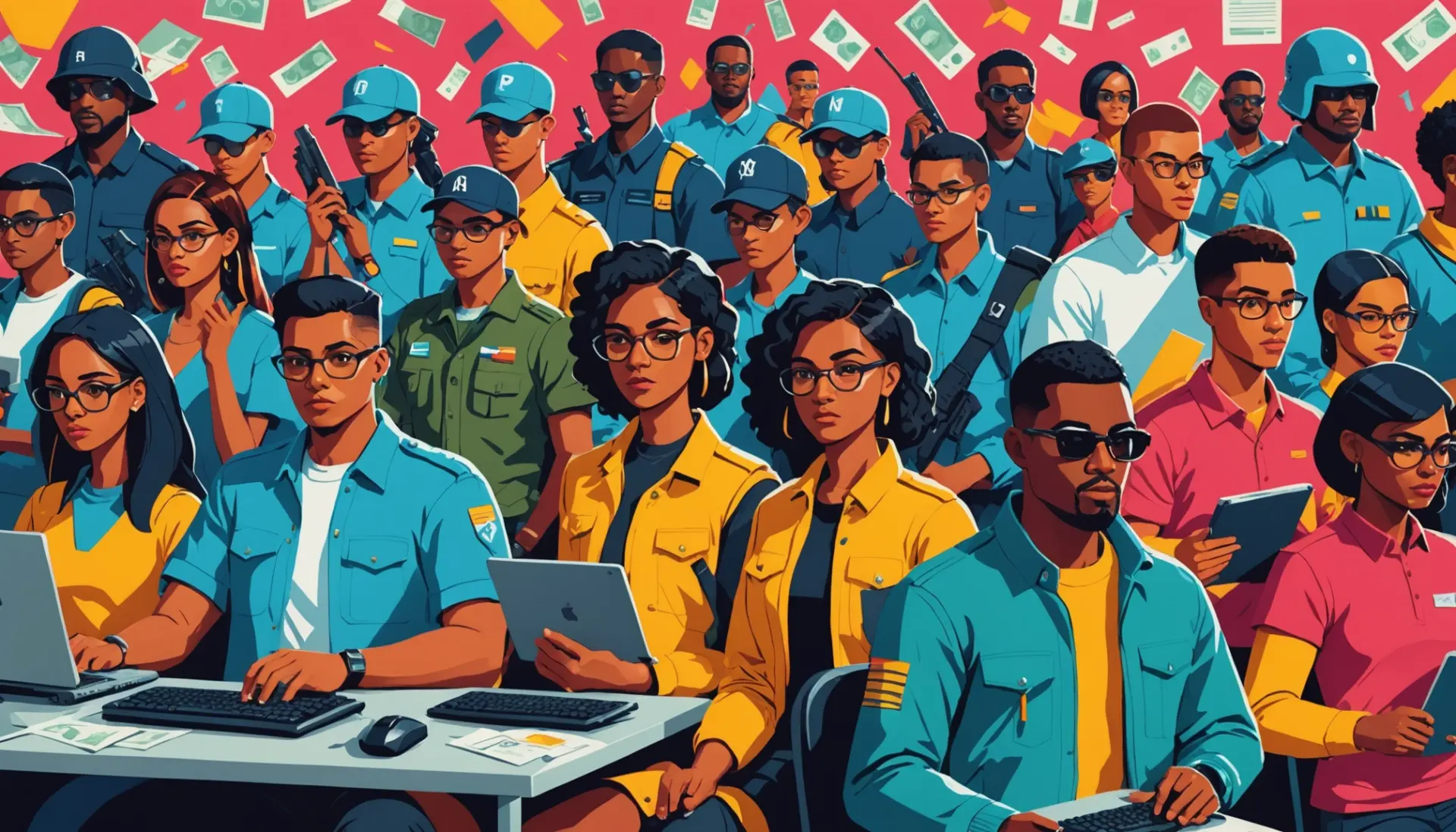
Okay so, the phrase “hired soldier in slang nyt” usually refers to someone who defends or promotes a person, brand, or political actor in public spaces, and they do it for money or a paycheck rather than conviction.
Think mercenary energy applied to the internet: commentors, influencers, or PR flacks who post talking points on cue. The slang blends old-school mercenary ideas with modern social media behavior.
History and Real Examples of “hired soldier in slang nyt”
The label has roots in several real phenomena, from literal mercenaries to coordinated online efforts like China’s so-called 50 Cent Party, which the Know Your Meme page documents as a meme and social practice.
Major news outlets, including the New York Times, have also described organized, paid online commentators, which is why people add NYT when they want to signal reportage or credibility behind the accusation.
How People Use “hired soldier in slang nyt” in Conversation
People toss the phrase into Twitter fights or DMs like a grenade. Here are realistic examples that you’ll see online or in group chats.
Friend 1: “Why is he always defending that senator?”
Friend 2: “Bro, he’s a hired soldier in slang nyt, probably getting paid to push that line.”
Tweet: “Ignore the replies, most are hired soldier in slang nyt accounts. Paid PR is wild.”
Those examples show how the phrase gets used casually to discredit a voice by implying monetary motive. It’s shorthand for organized or paid defense, not just a stan who actually believes the thing.
Legal and Ethical Notes on “hired soldier in slang nyt”
Labeling someone a “hired soldier in slang nyt” can carry real consequences. Allegations of paid deception have led to platform takedowns, journalism investigations, and legal scrutiny.
There’s also gray area: a PR employee promoting a client is doing their job, while covert, fake accounts pretending to be grassroots supporters cross ethical lines. For background on the idea of paid fighters versus paid promoters check a standard definition like Mercenary – Wikipedia and a dictionary take at Merriam-Webster.
Wrap: Should You Call Someone a “hired soldier in slang nyt”?
Quick answer: be careful. Calling someone a “hired soldier in slang nyt” signals a claim about motive and funding, not just disagreement.
If you suspect coordinated paid activity, look for patterns: identical talking points, sudden comment surges, or accounts created in bulk. And ngl, sometimes people just get paid influencers confused with genuine supporters.
Want to learn more about related slang and behavior? Check our takes on clout-chasing and how comment brigades fit into troll-army behavior.
Final Thoughts on “hired soldier in slang nyt”
Language evolves fast, and phrases like “hired soldier in slang nyt” pack a lot of cultural context into a few words: money, persuasion, and a promise of inside knowledge.
Use the term if you have evidence, or at least be ready for pushback. People get accused of being paid all the time, and sometimes the truth is more complicated than a single phrase can handle.
Want a deeper read? The New York Times has several features about online influence and paid commentators worth searching if you want documented examples and reporting from the field.