


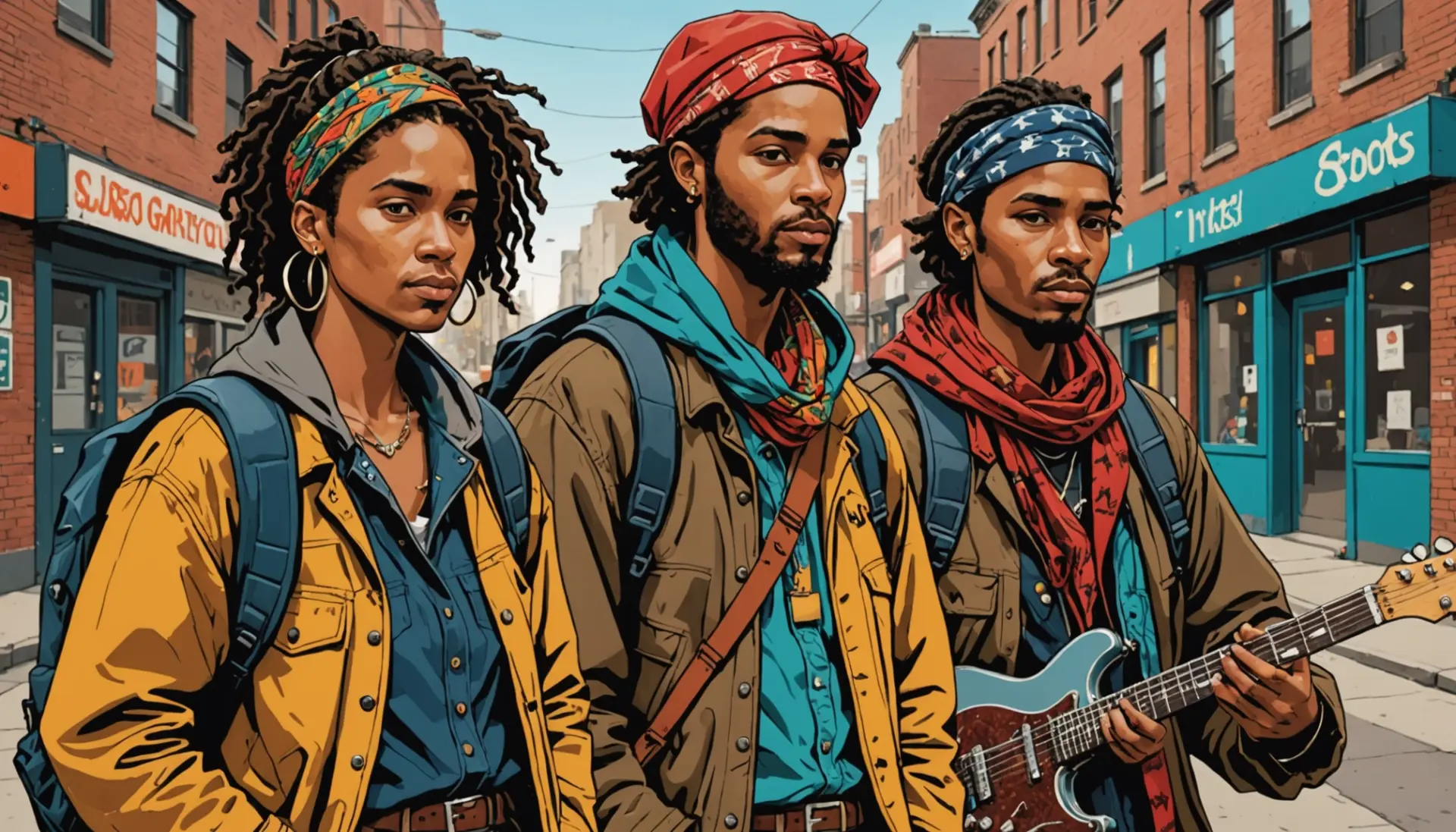

Hobo meaning slang has a few layered definitions, depending on history and who you ask, and yes, people still use it in ways that surprise others.
Okay so this post is for the curious, the conversational, and the mildly judgmental. I want to give you the cultural receipts and the safe ways to use the word. Also, real examples. Real nuance. No moralizing, just context.
Table of Contents
Hobo Meaning Slang: Origins and History
The phrase hobo meaning slang goes back to the late 19th and early 20th centuries, when migrant workers rode freight trains looking for seasonal work. The original idea was more specific than homeless people in general, it described traveling workers who moved between towns for jobs.
If you want a quick primer, the Wikipedia entry on hobo covers the basics: migration, hobo camps, and the culture that grew up around mobile labor. Merriam-Webster also has a straightforward definition that highlights the historical labor angle, not just vagrancy Merriam-Webster.
There were even hobo codes, little chalk signs and marks that warned or guided fellow travelers. Visual culture took to the idea too. Think old black-and-white photos of men with bindles, and Woody Guthrie songs that reference itinerants and dust bowl migration. Those images shaped the slang meaning over decades.
Hobo Meaning Slang: Modern Usage and Examples
Fast forward: the slang usage of hobo meaning slang has split into a few threads. One is the literal, historical sense. Another is casual, joking usage for someone who looks unkempt or carries shabby gear. Then there is the problematic sense, where hobo is used as an insult toward homeless or economically marginalized people. Context matters wildly.
On social media you’ll see lines like, “Dude looks like a hobo today, where’s your razor?” which is casual mockery. Or you might see, “That’s hobo aesthetic, I’m here for it,” referring to thrifted, scrappy fashion. Both are slang uses, but they land differently depending on who’s saying them and why.
“Bro, you bought that vintage jacket at a flea market? Total hobo energy, in the best way.”
And then there are examples that are obviously insensitive: “Stop acting like a hobo and get a real job.” That kind of sentence carries classist baggage and can hurt people already struggling. So you can hear hobo meaning slang across the register, from playful to nasty.
How to Use ‘Hobo’ Carefully
Real talk: if you are not part of hobo culture history or a historian, use caution. Saying “hobo” as a joke about someone’s outfit at a concert is one thing, calling a person who is homeless a hobo to shame them is another. Language moves fast, but the people affected by that language do not.
Try swapping the word for something more precise. If someone looks unkempt you could say “scruffy” or “grungy.” If you mean “itinerant worker,” say that. Being precise saves you from sounding mean or clueless. Also, listen to who uses the term and how: reclaimed slang sometimes circulates within groups first before the wider public adopts it.
If you want a deeper read on how labels affect perception, reputable sources like Encyclopaedia Britannica give context on migration and social attitudes in US history. That background helps you avoid lazy labels that erase human complexity.
Why People Get It Wrong
Part of the reason hobo meaning slang gets mangled is media. Films, songs, and memes compress history into images: someone with a hat and a bindle equals “hobo.” That shorthand bleeds into everyday speech. Think about old Hollywood depictions in films like The Grapes of Wrath versus modern Instagram aesthetics that borrow “hobo” vibes for style points.
Another factor is confusion between similar terms. People mix up hobo with tramp or vagrant, but those words had different connotations historically. A hobo sought work, a tramp wandered but might not work, and a bum was often portrayed as idle. Calling all three the same flattens history and erases nuance.
Also, slang evolves. Words that started as descriptors can become reclaimed, ironic, or weaponized. For instance, you might see “hobo chic” in fashion blogs, or someone might use the term to be deliberately provocative. Context again. Always context.
Real conversational examples
Here are some realistic lines you might hear at a party, on Twitter, or in the break room. They show range and tone:
- “I love your thrifted coat, total hobo energy in the best way.”
- “After the festival I looked like a hobo, but it was worth it.”
- “Stop calling him a hobo, he’s dealing with real problems.”
Those three sentences are small case studies. The first is playful, the second self-deprecating, the third admonishing. Same word, different social result.
Where to read more
If you want primary sources or deeper definitions check out the historical overview on Wikipedia, and the lexical angle at Merriam-Webster. For slang culture context, we also have related breakdowns on our site like rizz meaning and a comparison piece at tramp meaning slang, both of which help you see how small differences in wording change tone.
Using hobo meaning slang without thinking is easy to do. Correcting your own language is the hard part, and honestly, it matters. Words have history and people in them.
Final thought
So what should you take away? Know the history, notice the intent, and be deliberate. If you want to talk about fashion, say “hobo aesthetic” with friends who get the joke. If you see the word used to shame someone, push back. Language can be playful and humanizing, or it can be lazy and cruel. Your choice.
And if you liked this kind of slang deep-dive, check related slang pages on SlangSphere, or ask me for more phrases to unpack. I owe you a coffee and more unsolicited etymology.