


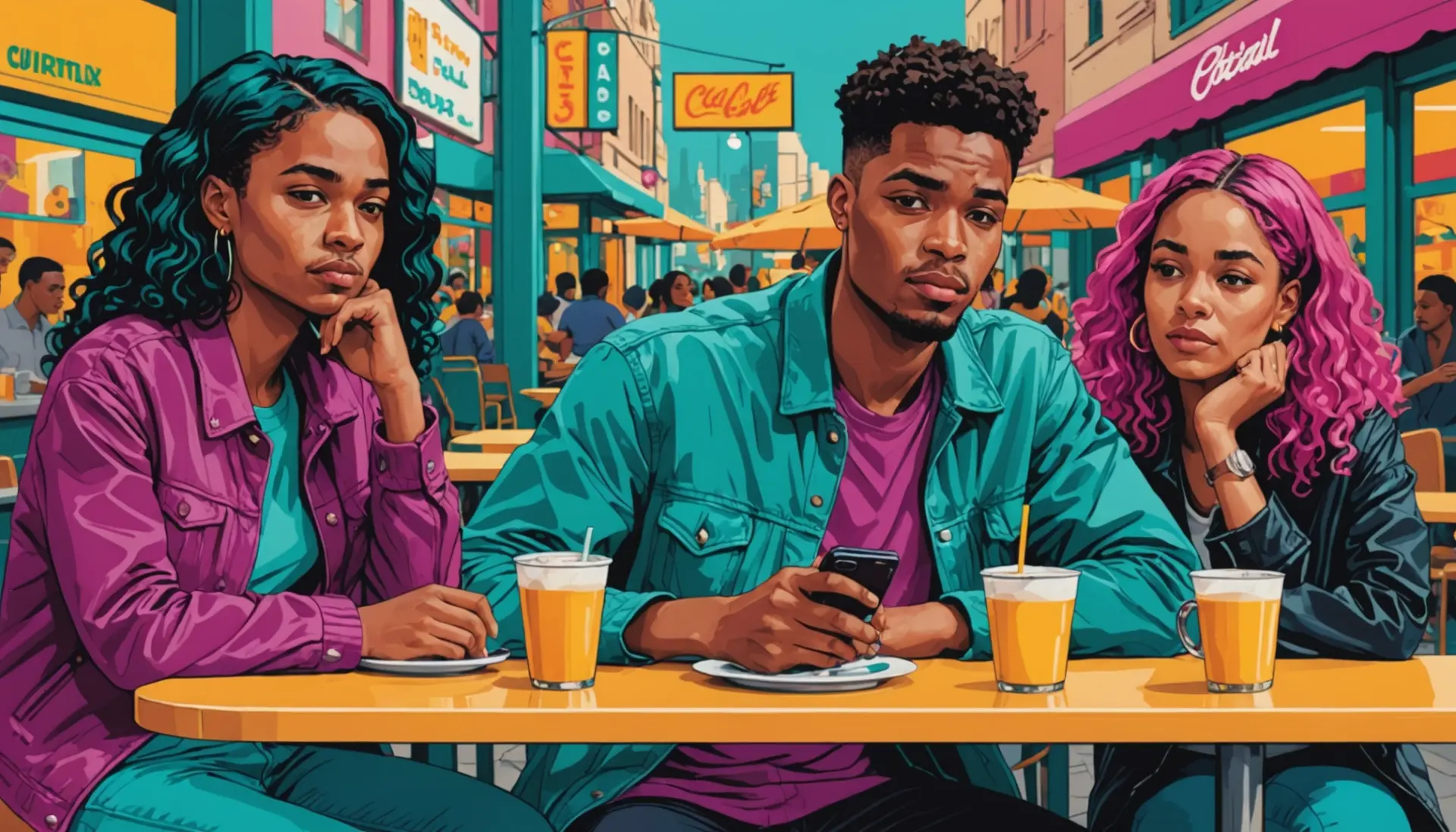

Intro: Quick Pitch
jaded meaning slang is more than just a word you throw around when you are tired. It carries mood, history, and a kind of cultural shrug that matters. People say it about relationships, jobs, pop culture, even fandoms. So yeah, it deserves a proper, slightly annoyed explain.
Table of Contents
What “jaded meaning slang” Actually Means
The phrase jaded meaning slang usually refers to a sense of emotional exhaustion, cynicism, or blunt indifference that comes after repeated exposure to something. People use it when they have seen too much of a thing, and now the thing does not excite them. It is not just tired, it is tired plus a little bitter. The slang usage leans hard on attitude, like a low-energy eye roll.
Origins and Etymology
The adjective “jaded” stretches back centuries, but its slang life picked up in the 19th and 20th century as a word for worn-out horses and people who had been dulled by experience. You can read the dictionary take at Merriam-Webster for the classic definition. Popular culture cemented the modern vibe, with rock lyrics and indie movies using jaded as shorthand for disillusionment.
Still curious how the word traveled from old literature to your group chat? Language moves slow, then fast, and social media sped up the shift from literary to casual usage. The English Wikipedia page gives a decent overview of the term’s adaptations over time, including cultural references, at Wikipedia.
How “jaded meaning slang” Shows Up in Conversation
People drop jaded in lots of casual places: DMs, tweets, replies, and even voice notes. It often signals a boundary, as in, I am not engaging emotionally anymore. That can be protective, defensive, or just plain exhausted. Depending on tone, it can come off as world-weary or petty.
Look, context matters. If someone says, “I’m so jaded about dating apps,” they mean disappointment. If someone tells you, “Don’t be jaded,” that reads as a gentle roast. Notice the difference? Tone and context flip meaning fast.
Real Examples and Micro-Dramas
Here are real-feeling ways people use the phrase. These are drawn from the kinds of lines you see on Twitter, in group chats, and in casual speech.
“Honestly I’m jaded about festival lineups now, every headliner is the same recycled vibe.”
“After three internships of doing coffee runs, I’m jaded about corporate culture.”
“She said she liked him once, now she’s totally jaded. It’s dramatic, but also true.”
Those lines show jaded as a personal state, sometimes with a little performative edge. People use it to justify low effort, or to signal that they’ve seen the receipts and they are unimpressed. You will see it in fandom corners too, when a franchise keeps making the same sequel and fans post, “We’re so jaded rn.”
When Jaded Is a Mood vs a Critique
Jaded can be a mood, a critique, or both. As a mood, it is inward: you feel dulled and tired. As a critique, it is outward: you think a thing is overdone or shallow. The same speaker can switch between both in a single sentence. That flip is why the word feels so flexible and useful.
For example, saying “I’m jaded about celebrity apologies” mixes personal fatigue with a cultural jab. You are explaining your state and critiquing recurring behavior. That double effect is why people online use the term so much when reacting to recurring bad news cycles.
Similar Slang and Synonyms
If you want cousins for the term, try words like burned out, done, over it, numb, or cynical. In hyper-specific internet slang, you might see “snoozed” or “unbothered” depending on the vibe. Some of these are softer, some harder, but they occupy the same general register as jaded.
If you want to explore related slang on this site, check the writeups on rizz slang meaning and delulu meaning for how emotional states get their own short-hand. Language loves compressing complex feelings into single words, and jaded is an excellent little package.
How to Respond If Someone Calls You Jaded
First, ask a clarifying question. Why do you say that? People use jaded as a label and as a diagnosis. A short, curious reply can defuse tension. Something like, “Okay, tell me what makes you say that?” often works better than defensiveness.
If someone says, “You’re so jaded,” and you are tired, own it. Say, “Maybe, I’ve had a lot happen,” or make a joke and move on. Sometimes people need to vent, and sometimes they mean it as support. Read the room. Also, if someone is jaded about serious issues, it can be a red flag they need rest or space.
Cultural Moments That Help Explain the Vibe
Think of movie antiheroes or indie singers crooning about disillusionment. Billie Eilish’s early songs captured a kind of tiredness that sounds jaded. TV characters like Don Draper and lots of 2000s alt lyrics modeled the aesthetic. Those cultural touchstones gave the slang a face, an attitude, and a soundtrack.
Memes amplify the term. A viral tweet captioned with “me, jaded watching the remakes” will get half the timeline to reply with their own version. That participatory reuse is how slang stays alive and flexible. If you want a scholarly angle on how words morph in pop culture, check a general linguistic source like Cambridge at Cambridge Dictionary.
Wrap-up
So yes, jaded meaning slang is a compact way to say you are emotionally worn and a little cynical, or to criticize a thing that keeps repeating itself. It works on social media, in DMs, and in real conversations. It also signals something about the speaker, whether that is self-protection, boredom, or a sharper critique of trends.
Next time someone calls you jaded, pay attention. It might be a mood check, a roast, or a clue that a relationship or fandom needs a pause. Language is messy, but jaded is clear enough, and very, very human.