


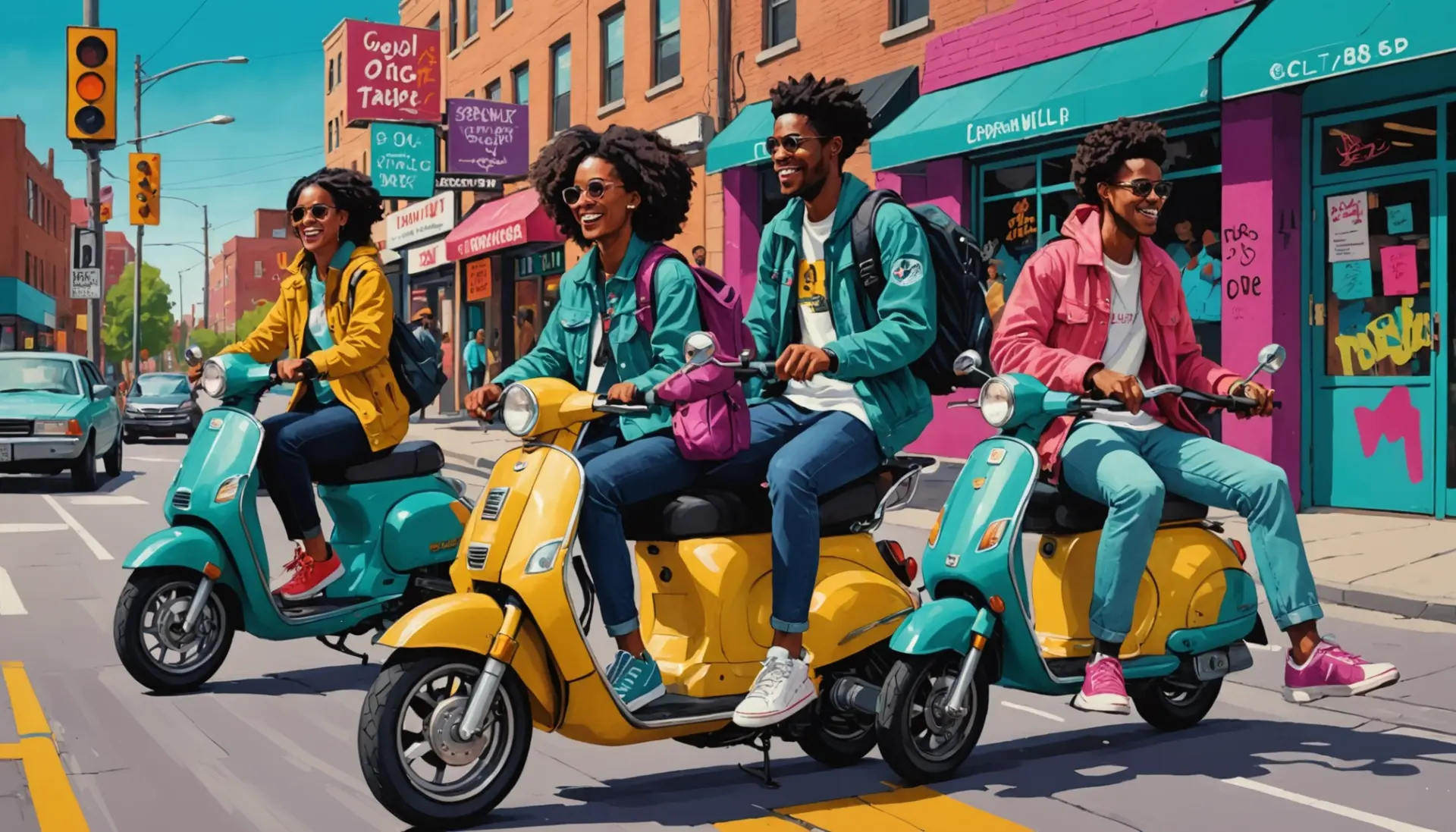

Intro: why “jaunt urban dictionary” shows up in searches
Jaunt urban dictionary is the phrase people type when they want a quick answer about whether “jaunt” is old-fashioned, slangy, or slang-adjacent after hearing it in a song, on TikTok, or in a weird group chat.
Honestly, it’s a tiny word with a weird afterlife. One minute you’re reading Pride and Prejudice, the next it’s back as a caption on an influencer’s weekend post and someone’s like, wait, what does jaunt mean again?
Below I go through what the Urban Dictionary entries say, where the word actually comes from, how people use it now, and whether you should drop it in convo without sounding like a podcast host from 2012. Spoiler: context matters, and a lot.
Table of Contents
What “jaunt urban dictionary” Entries Actually Say
Type jaunt urban dictionary into a search bar and you’ll get a handful of user-submitted definitions. Most entries lean on the classic idea: a jaunt is a short pleasure trip or outing. A few submissions try to make it edgier, calling it a quick joyride, a spontaneous errand, or, less commonly, slang for a pill or a drug trip.
Urban Dictionary is, of course, a crowd-sourced snapshot. That means you’ll find serious, jokey, regional, and niche takes. People sometimes use it to claim new meanings, but mainstream acceptance depends on repeated actual usage in speech and media.
If you want a stable dictionary definition, check Merriam-Webster for the established meaning: a short excursion for pleasure or change of scene, usually starting and ending the same day. See Merriam-Webster: jaunt for that solid baseline.
Origins and Mainstream Meaning
The root of jaunt is old, coming from late Middle English with links to French and possibly Spanish. Historically it described a short, brisk outing. It’s always had a slightly jaunty connotation, pun intended.
That tidy origin explains why most Urban Dictionary entries simply map to the same idea: short leisure trip. It’s not a fresh slang coin like rizz or cap. It carries literary weight, which is why you’ll hear it on radio shows, in novels, or in captions trying to sound classy or quaint.
For more historical context and usages, Wikipedia and larger lexicons can help unpack the etymology and literary traces. See the basic dictionary trail at Wikipedia: Jaunt, which lays out versions and references.
How “jaunt urban dictionary” Shows Up in Real Speech
People ask “jaunt urban dictionary” because they want to know whether a friend used the word ironically or literally. Usage breaks down into a few real-life patterns: the literal outing, playful irony, and rare subcultural spins that repurpose the word.
Literal use looks like this: “We took a jaunt to the coast for the afternoon.” That sounds breezy, maybe a little old-school, but normal. I hear it from mid-30s to 50-year-olds and from college lit majors trying to be cute on Instagram.
I also hear it used ironically, where the speaker knowingly borrows the quaintness to be funny: “Went on a jaunt to the bodega, brought back a cold brew and existential dread.” That wink makes it modern again.
Real Examples and Dialogue
Concrete examples help, right? Below are realistic lines you might see online or hear in a group chat after someone types jaunt urban dictionary because they’re unsure what the word implies.
Text convo:
Jules: “Let’s take a jaunt to the park.”
Ravi: “Jaunt? You mean walk? You taking a class in Emily Bronte?”
TikTok caption:
“Sunday jaunt vibes: thrift haul + iced coffee + terrible playlist”
Notice how the tone shifts based on context. In the chat it’s teasing. In the caption it’s aesthetic. Those are the two main registers people ask about when they search jaunt urban dictionary.
Here are two more modern spins, both plausible and seen in user-submitted slang corners: first, a use meaning quick joyride: “We took a midnight jaunt in my friend’s convertible.” Second, an isolated subcultural redefinition you might find on Urban Dictionary: someone claiming jaunt as slang for “micro-dose” or a tiny drug trip. Those are rare and generally not widespread.
Is “jaunt” Offensive or Slangy?
Short answer: no, not offensive. Jaunt urban dictionary entries rarely tag it as slur or sensitive. The term itself is tame, and using it should not land you in hot water, unless you co-opt a regional sense incorrectly.
That said, tone matters. If you use jaunt to lampoon someone for their travel choices or to sound condescending about someone’s simple plans, it can feel pretentious. People will call that out. Pet peeve moment: calling a five-minute errand a “jaunt” while flexing a designer bag comes off as try-hard.
Wrap-Up and Where to Read More
If you’re typing jaunt urban dictionary into Google because you heard the word once and want to sound current, relax. It mostly means a short, pleasant trip and only occasionally gets repurposed in niche slang corners.
Urban Dictionary is fun for user flavor, but for a stable definition consult Merriam-Webster. For the user-driven, evolving takes check the Urban Dictionary entry directly at Urban Dictionary: jaunt.
Want to compare how other slang lives online? I wrote about similar shifts in words like rizz and bogart. Also peek at cap to see how social networks rework old words into new heat.
Final thought: language recycles. Little words like jaunt keep popping back because they sound nice and concise. Say it aloud. It’s pleasant. Use it if you want, just know the vibe: quaint, slightly literary, and occasionally ironic.