



Intro: Quick answer
Jive meaning slang is a small phrase with a big cultural footprint, coming out of jazz clubs, wartime radio, and street corners. Honestly, it can mean nonsense, slick talk, flattery, or straight-up deception depending on who says it and when. People use it playfully now, but the history is rich and messy. Okay so, let me walk you through where it came from and how to use it without sounding like a dad trying to be cool.
Table of Contents
Jive Meaning Slang: Origins and Early Use
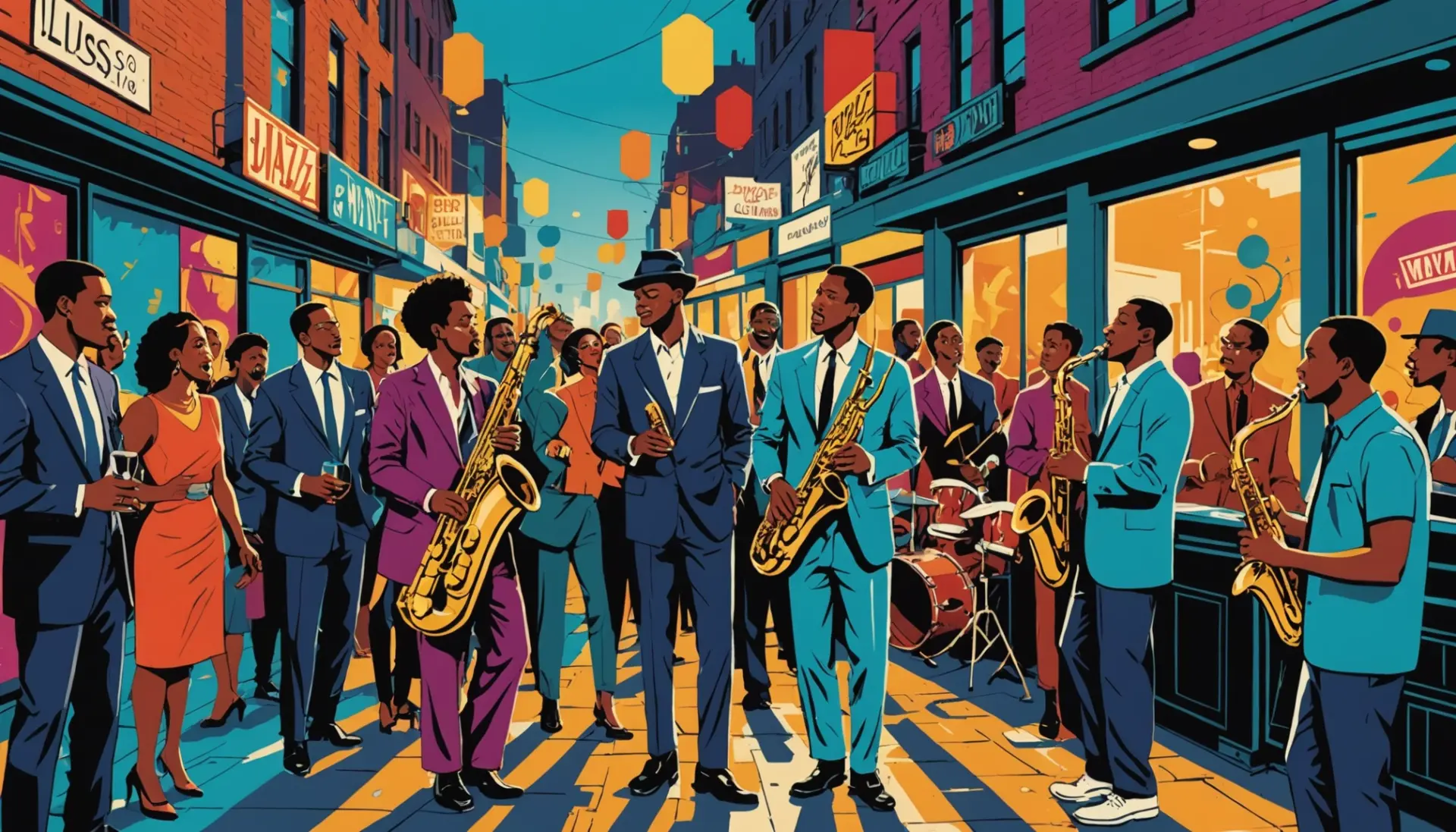
Start with the music scene. Much of the earliest recorded use of jive comes from the 1920s and 1930s jazz world, where musicians and fans traded a fast, coded slang to talk about life and music. Big names matter here: Cab Calloway collected and published heaps of this lexicon in his 1938 “Hepster’s Dictionary,” and that helped spread the vocabulary beyond clubs.
The phrase jive itself shifted meanings over time. It could mean playful chatter among friends, or slick, insincere talk used by someone trying to con you. Dictionaries like Merriam-Webster capture that push and pull between harmless banter and deception.
Jive Meaning Slang: Modern Usage and Examples
Fast forward, and jive meaning slang still works as both a nostalgic callback and a practical insult. You might see someone say, “Cut the jive,” which means stop lying or stop flattering me. Or you might hear, “That’s pure jive,” meaning nonsense. The Bee Gees even had a hit called “Jive Talkin'” in 1975, which shows how the idea of smooth, persuasive talk became mainstream pop fodder.
Here are real-world examples of how people actually use it in conversation. Notice how tone and context change the vibe.
“Bro, cut the jive, did you even finish the assignment?”
“She was jiving me all night, but I knew she wasn’t serious.”
“I love that old Cab Calloway record, the jive in his lyrics is wild.”
How to Use “jive” Today
Want to toss jive into a chat without sounding performative? Keep it short. Use it when someone’s clearly buttering you up or when their story smells off. “That’s jive” is sharper than “that’s a lie,” and it carries this retro-cool energy.
But be careful. Because jive has African American Vernacular English roots and a fraught history with racialized entertainment, using it ironically or in a mocking tone can land badly. If you’re not in on the cultural history, don’t weaponize it to sound “edgy.” Instead, use it with friends who get the reference, or when you actually mean playful nonsense.
Related Phrases and Cultural Moments
Language mutates. From “jive turkey” in 1970s Black slang, a term popularized in soul and funk scenes, to pop songs like “Jive Talkin'” making the phrase household, jive has worn many hats. Comedians and film writers borrowed jive talk to signal “hipness” in midcentury America, and that fed into both satire and stereotype.
Want more slang context? Check out how modern terms like rizz or older ones like bogart operate as short-hand for behavior. Slang keeps recycling but with new shades every decade.
Sources and Further Reading
If you want to nerd out on the sources, Wikipedia covers the dance and the cultural shifts around jive, and Cab Calloway’s lexicon is a primary source for early usage. See Jive (dance) on Wikipedia and Cab Calloway’s contributions through history.
Also, Merriam-Webster’s entry is useful for the modern dictionary take. For the deeper sociolinguistic stuff on jive talk and African American Vernacular English, academic essays and historical collections on jazz culture are really good. Here’s a start: Merriam-Webster: jive and Cab Calloway on Wikipedia.
Closing Notes
So, jive meaning slang is flexible, depending on era and speaker. It can land as playful, shady, or flat-out condescending. Use it with some cultural awareness, and you’ll sound both informed and human, not like you read it off a listicle somewhere.
If you liked this, you might enjoy other entries on the site about how slang shifts meaning over time, like sus or no cap. Language keeps moving, and slang is the best place to watch that happen up close.