


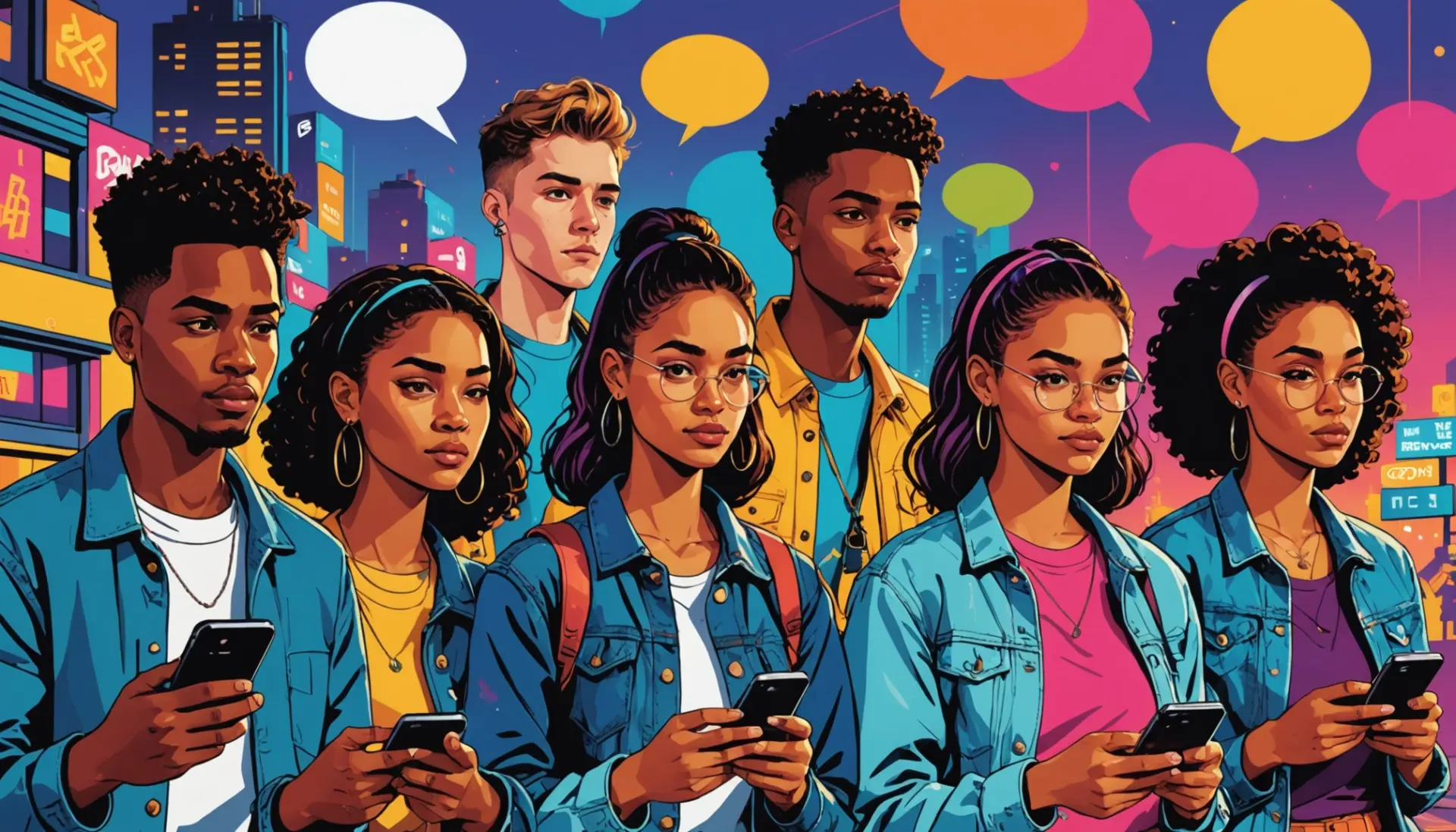

What Mid Slang Means
Mid slang is the internet’s blunt shorthand for something boring, mediocre, or just plain underwhelming, and people use it like a one-word roast. It usually lands when someone feels a song, show, movie, outfit, or idea did not live up to the hype. The vibe is casual and cutting at once: not a full-on burn, more like an eye-roll with a shrug. If you want a dictionary sense, think “meh” dressed up for Gen Z commentary.
Table of Contents
How Mid Slang Spread
The journey of mid slang is a social media story, plain and simple: it migrated from casual speech into tweets, TikTok captions, Reddit threads, and music takes. People shouting “this album is mid” on Twitter became a millisecond cultural verdict. The meme circuit amplified it, turning the word into a punchline and a badge of ironic honesty.
For some context on how slang moves online, check the general history of slang on Wikipedia: Slang. And if you want to see how the meme-sphere preserves and explains viral terms, take a look at Know Your Meme’s take on mid.
Mid Slang Examples in Conversation
Want real examples? Here are lines you actually see in comments and DMs. These show the range: light teasing, honest critique, or casual dismissal.
“Bro the concert was mid, we left after two songs.”
“That new single? Mid. Not bad, not good.”
“Her fit was mid fr, needed more personality.”
People also append qualifiers like “mid fr” or “low-key mid” to soften or emphasize the judgement. On TikTok, creators will point to a clip and simply text “mid” over it, and the comments fill with agreement. That shorthand economy is the whole point.
Why Mid Slang Sticks
Mid slang works because it’s efficient. It communicates disappointment without a long explanation. Social media thrives on quick takes, and calling something “mid” is the quickest take of all. Also, it’s flexible: music, fashion, parties, even people can be described as mid.
There’s also a cultural angle. Gen Z grew up in a saturated content era where everything is hyped fast and expires faster. The reflex to call out the overhyped with a single word is part humor and part fatigue. If you want a more formal sense of “mediocre,” see the Merriam-Webster definition of mediocre.
How to Use Mid Slang Without Sounding Rude
Using mid slang casually is one thing, using it without sounding needlessly mean is another. Tone and context matter. Say it in a group chat versus in-person at someone’s project and you’ll get different reactions.
If you must give feedback, pair the callout with something constructive. Instead of “your idea is mid,” try “I think it’s mid, but what if we added X?” That keeps the honesty while not shutting things down. Also, remember “mid” can be playful among friends. Nuance saves you from drama.
Mid Slang and Pop Culture
The phrase shows up a lot in album and movie discourse. Fans and critics alike drop “mid” when something fails to meet expectations. Remember when fans called certain high-profile releases “mid” and that trending reaction became part of the story? That social signal can shape whether a piece of media gets re-evaluated or forgotten.
Artists sometimes respond. Some lean into it, making ironic merch or tweets, while others take it as a clue for their next creative move. The back-and-forth between creators and audiences is a modern loop, often played out in replies and trend stitches on TikTok.
Is Mid Slang Problematic?
There is a line where mid slang becomes dismissive and unhelpful, especially when applied to people rather than things. Calling someone “mid” repeatedly can feel reductive. Context again is key: a joke among friends is different from targeted snark online.
If you care about being kind, think before you type. Publicly labeling something or someone mid can affect perceptions and conversations. Keep the term for reviews, small critiques, or self-deprecating humor, not for personal attacks.
Mid Slang in Relation to Other Slang
Mid sits on the opposite end of terms like “GOAT,” which denotes greatness. If you want to compare, check our entry on GOAT to see the contrast. You can also see how words like “cap” or “rizz” travel in the same social circuits by visiting cap and rizz.
Understanding these relatives helps. “Mid” is not a complex term, but it gains meaning from the words around it. When someone says “mid cap,” they’re doing a different kind of evaluation than when they say “mid” alone.
Final Thoughts on Mid Slang
Mid slang is here to stay because it fits the speed and sarcasm of online life. Honest, punchy, and adaptable, it’s a small word with a lot of social weight. Use it carefully and it works as a quick verdict. Use it carelessly and you might start unnecessary fights.
At the end, the term tells us more about how we talk than about the things we describe. It’s shorthand for disappointment, and sometimes for cool cynicism. Keep it in your toolkit, but handle with context and a little empathy.
Further reading
Want the meme perspective? Visit Know Your Meme: Mid. For a dictionary-level angle on mediocrity, see Merriam-Webster: mediocre. For general background on slang movement, see Wikipedia: Slang.