



Intro: Why Moe Meaning Slang Still Matters
Okay so “moe meaning slang” is our guidepost for this chat, and yes people still toss the word around like it is casual cuteness shorthand. If you hang out in anime Twitter threads, visual novel circles, or late-night Discords, you will hear moe tossed in like a seasoning, sometimes affectionate, sometimes weirdly intense.
People use moe in English in different ways, and that slippery meaning is exactly why it keeps showing up in culture conversations. This post unpacks where the word came from, how real people use it, and why it occasionally sparks debate.
Table of Contents
What Moe Meaning Slang Actually Means
The phrase moe meaning slang refers to a specific kind of affectionate response people have to fictional characters, or sometimes real-life behavior that looks innocent and irresistibly cute. In short, moe is not just “cute,” it often carries an emotional tug: protectiveness, admiration, or a warm crush that is more about feeling than sexual desire.
In English use, moe has broadened and sometimes just means “adorable” in a casual way, but the word still carries baggage from its cultural origins. If you say a character is “moe,” you are usually signaling a complicated mix of admiration and emotional attachment.
Moe Meaning Slang, Origins and Anime Roots
Moe comes from the Japanese word 萌え which literally evokes budding or sprouting, and it first surfaced in otaku subcultures in the 1980s and 1990s. The term was popularized by anime and manga fans to describe characters that trigger that special warm feeling, especially characters with earnest traits like shyness, vulnerability, or goofy charm.
If you want a concise origin trail, check out the Wikipedia page on Moe (slang) which tracks the term through Japanese fan culture into global usage. For the meme and internet spread, Know Your Meme is also a handy reference that collects notable examples and image macros.
How People Use Moe Meaning Slang Today
People drop the phrase moe meaning slang when describing character design, voice acting, or small gestures that feel protective or heart-melting. For example, a character that blushes when praised might be called “moe,” and fans will say they have “a lot of moe” or that someone is “super moe.”
Outside anime circles, younger fans might call a pet or even a co-worker “moe” as a playful way to call them cute and endearing. The tone changes by context, so listen for whether it is playful, earnest, or slightly fetishized.
Real Examples: Moe Meaning Slang in Conversation
Real people use moe in short, conversational bursts. Here are authentic-feeling lines you might actually read in a Discord or see under an Instagram post.
“That side character in the new anime is so moe, I had to screenshot every scene she was in.”
“Ngl that puppy is low-key moe, I want to squish him.”
“Her voice actor sold the role, total moe energy during the confession scene.”
Notice how moe meaning slang shows up as an adjective or a shorthand emotional tag, often without further explanation. It assumes shared cultural context between speaker and listener.
Variations and Related Terms
Moe sits near other anime-adjacent words like kawaii, tsundere, and yandere, but each term has its own flavor. Kawaii is broad cuteness, while moe is emotional attachment and often a desire to protect.
For more slang that intersects with online fandoms, see our pieces on rizz meaning and on stan meaning. Those entries show how subcultures repurpose words into identity signals.
Cultural Impact and Controversies Around Moe Meaning Slang
Moe meaning slang has shaped character design, marketing, and even game mechanics as creators chase that emotional spark that hooks fans. The term helped codify archetypes that remain hugely influential in anime, visual novels, and mobile games like “Kantai Collection” or “Gacha” titles where getting a “moe” character drives engagement.
But there is pushback. Critics argue that moe can exoticize or infantilize characters, and in some contexts it crosses into sexualization. Discussions about ethics and taste pop up whenever moe-focused characters are targeted at younger audiences, or when real people are labeled in ways that feel reductive.
Further Reading and Links
If you want deeper historical perspective, the Wikipedia article on Moe (slang) is a good start. For a snapshot of the meme trajectory and notable images, check Know Your Meme’s moe page.
Also, if you are curious about how similar words get retooled in English internet slang, our site has related takes on sus slang meaning and rizz meaning, which is useful for seeing cross-pollination between fandom and mainstream slang.
Wrap-Up: When to Say Moe Meaning Slang
Use the term when you want to signal a soft emotional reaction to a character or a cute behavior, but remember context matters. If you are among fans, moe meaning slang will land as shorthand. Outside of that, you might need a bit more explanation.
Honestly, moe is one of those niche borrowings that stuck because it captures a feeling English lacks a single word for. So yeah, say it if it fits. And if someone looks confused, teach them the weird little history behind it.
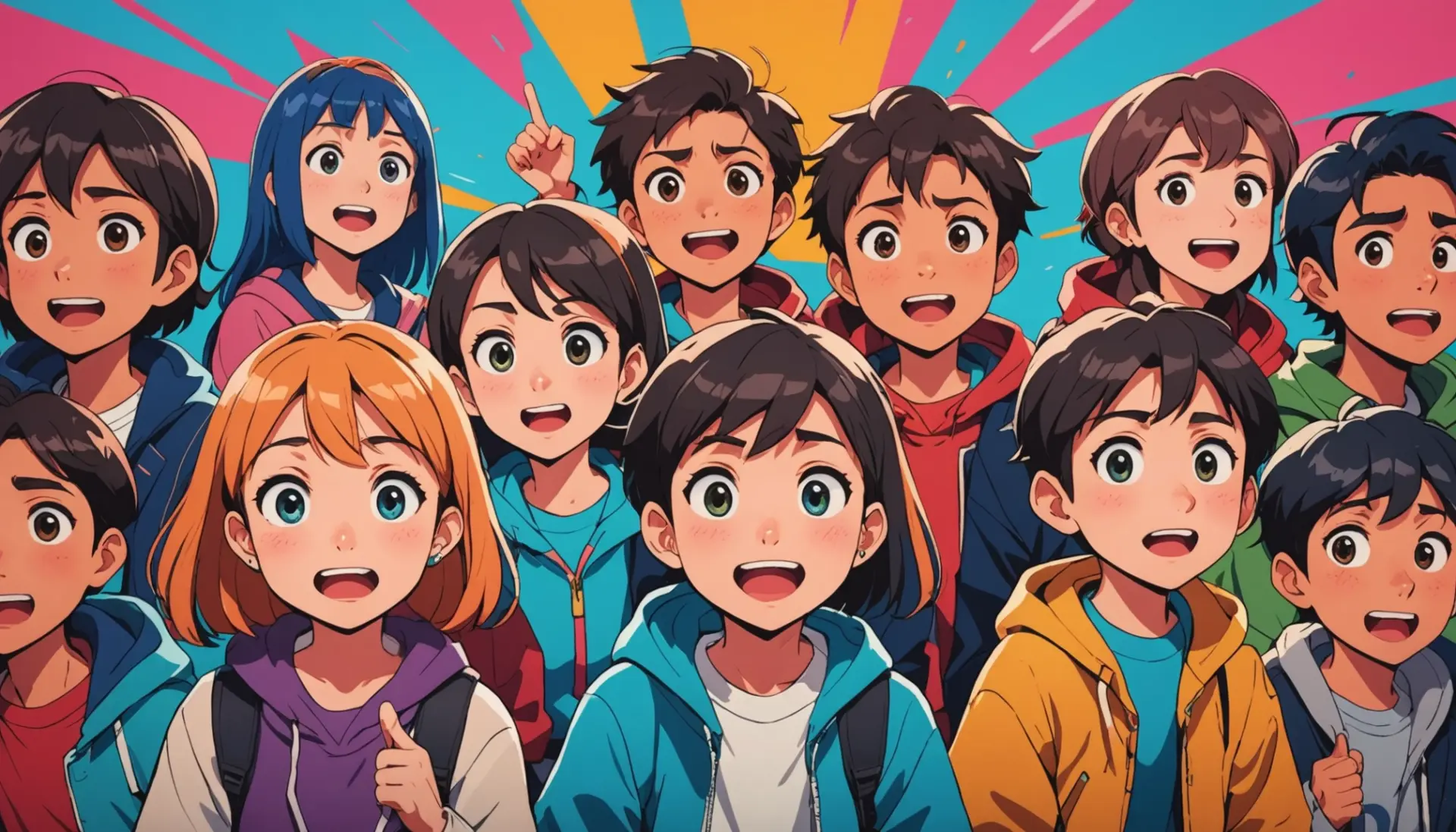
Image alt suggestion: editorial illustration showing diverse fans reacting to a cute anime character, labeled mood as “moe meaning slang” in alt text for search engines.