


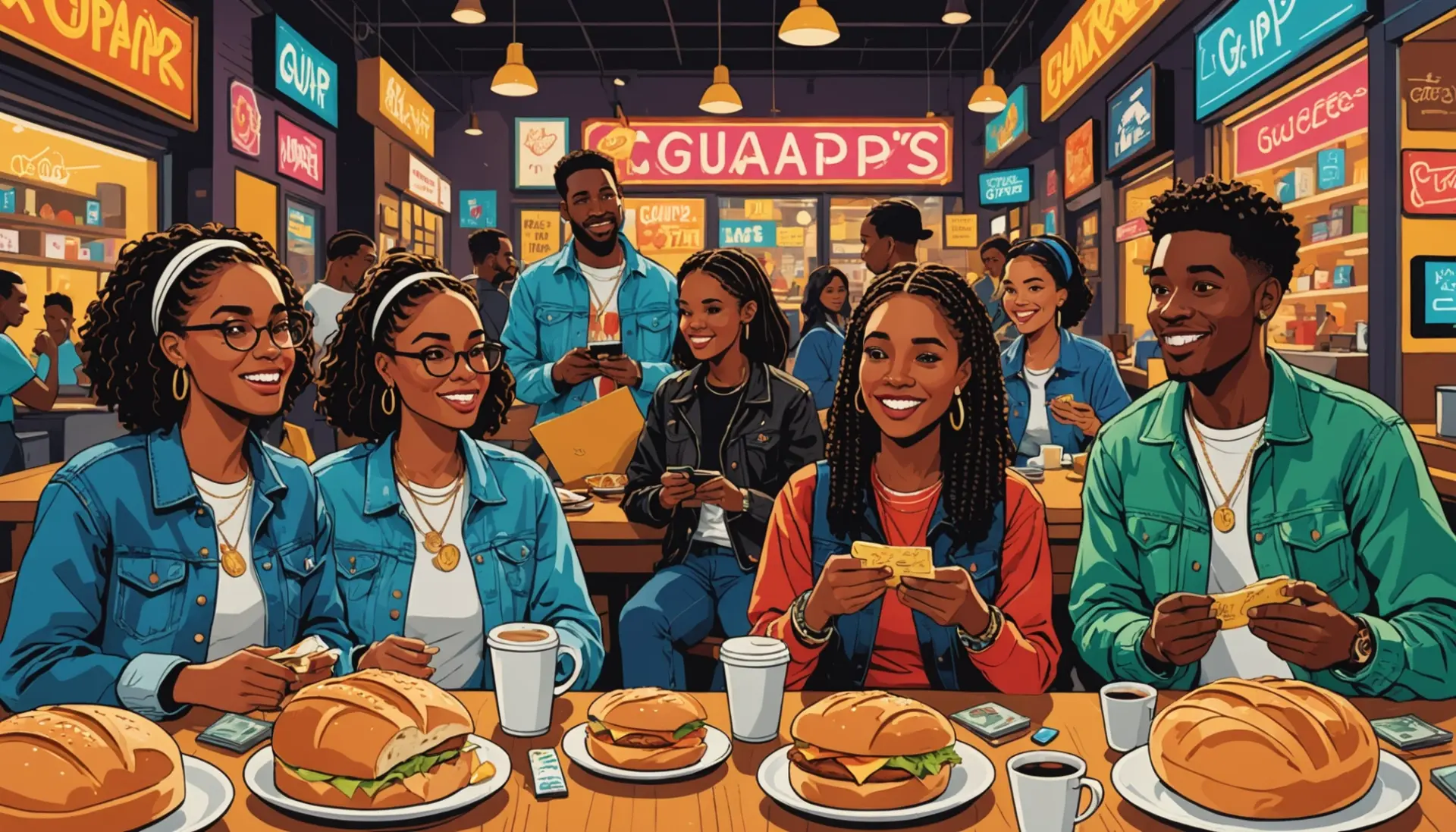

Money in Slang: Quick Take
Money in slang shows up everywhere, from rap hooks to group chats, and it usually means more than just cash. People say bread, guap, racks, cheddar, and moolah, but each word carries a vibe: old school, flexy, jokey, or ironic. Okay so, this post walks through why folks use different words for the same thing, with examples, origins, and how to not sound like an audio clip of a commercial. Ngl, it gets fun.
Table of Contents
Money in Slang Meaning
When people say money in slang they rarely mean a literal pile of banknotes; they are signaling style, status, or a particular scene. A rapper saying “stacks” paints a different picture than someone joking about “moolah” on Reddit. Language here is economical and performative. Every word carries a little attitude.
Some words are neutral, like cash or paper, while others are playful, like dough or bread, which date back decades and show up in old blues songs and gangster movies. Then there are flashy modern terms like guap and racks, which are very much about flex culture. It matters who says the word and where, that context is the whole point.
Money in Slang: Origins and History
The shift from formal terms to slang has roots in street culture, music, and the need for coded speech. Think of early 20th century slang, where “dough” and “bread” were common. Those terms stuck because they were vivid and easy to rhyme with in songs and poetry. You can trace some through classic blues and jazz references.
In hip-hop’s rise, money slang evolved fast. Words like “cheddar” and “paper” were popularized by records and radio. By the 1990s and 2000s, terms like “guap” and “stacks” gained traction. Cultural moments helped too, like Notorious B.I.G.’s era where money metaphors were everywhere, and later tracks by Drake or Cardi B where lines about racks or bands become memes. For historic context see Wikipedia on slang and for modern meme culture check KnowYourMeme’s money printer meme.
Regional and Cultural Flavors
Not every city uses the same words. In New York you might hear “bread” or “paper” more, while in Southern hip-hop scenes “bands” and “racks” feel right. On TikTok and Instagram, “guap” and “guap-up” saw spikes because creators liked the syllable for quick captioning. Language migrates with culture, like how “moolah” became a mainstream comedic fallback in movies and late night bits.
Immigrant communities also remix English slang with words from Spanish, Creole, or Caribbean English, which gives us unique hybrids. That cross-pollination is one reason money slang remains lively and unpredictable. Also, online spaces create their own micro-jargon, like Discord servers calling small amounts “cents” as a joke or Twitter threads using “coin” sarcastically.
Real Examples and Conversation Use
Here are realistic lines you will actually hear. Use these to get the tone right, not to mimic exactly in everything you say.
- “I need to stack some bread before summer, rent’s coming up.”
- “She made guap off that drop, not even mad.”
- “Send me a Venmo, I forgot my card—I’ll cover the tab with some moolah.”
People also text shorthand: “You got the guap?” or “I got racks”>. In a group chat it reads casual and unbothered. On the other hand, using a word like “dead presidents” feels tongue-in-cheek and references older slang. Want a pop culture wink? Mentioning “Mo’ Money Mo’ Problems” lands because everyone recognizes the hook.
Example: “Yo, can you spot me 50? I’m saving for a new laptop, lowkey need to stack some money in slang terms.”
How to Use Money Slang Without Sounding Try-Hard
Use the word that fits your social scene. If your friends say “dough,” say dough. If the vibe is playful, “moolah” or “cheddar” is fine. If you’re in a professional DM or Slack, stick to cash or funds. People notice when slang is performative, so keep it light. Authenticity matters more than being clever with vocabulary.
Also, be aware of history and tone. Some terms come from marginalized communities and have layers of meaning. If you’re quoting a lyric or meme, give it context, or use it self-awarely so it comes off like a reference, not appropriation. For quick lookup on a classic slang definition try Merriam-Webster’s moolah entry. And if you want a guide to other money words, our piece on bread slang meaning is a good follow-up.
Quick list of common terms
I hate rigid lists, but here are terms that actually appear in songs and threads: bread, dough, guap, racks, bands, cheddar, moolah, paper, coin, skrilla. Each carries a micro-vibe, so pick based on tone. Want streetwise cred? “Stacks” or “racks”. Want jokey warmth? “Dough” or “moolah.”
Where to learn more without stalking rap lyrics
Read liner notes, follow lyric annotation accounts, and check out language histories on Wikipedia and cultural breakdowns on Know Your Meme. Also check related slang explainers like rizz slang meaning and guap slang meaning for overlapping usage. That combo of sources gives both the academic and the lived view.
Final note: money in slang is as much about community as it is about cash. The words are little flags that say who you hang with and what music you listen to. Use them sparingly, use them with care, and sometimes just say “pay me” and keep it simple. Cool? Cool.