



Mongolian Breakfast Slang Meaning: Quick Intro
Mongolian breakfast slang is a phrase popping up in niche corners of social media, and yeah, people are using it in weird, creative ways. If you searched for it because a friend dropped it in a group chat, you are not alone. This post tries to map what the phrase means, where it might have come from, and how people actually use it online and IRL.
Table of Contents
What Mongolian Breakfast Slang Means
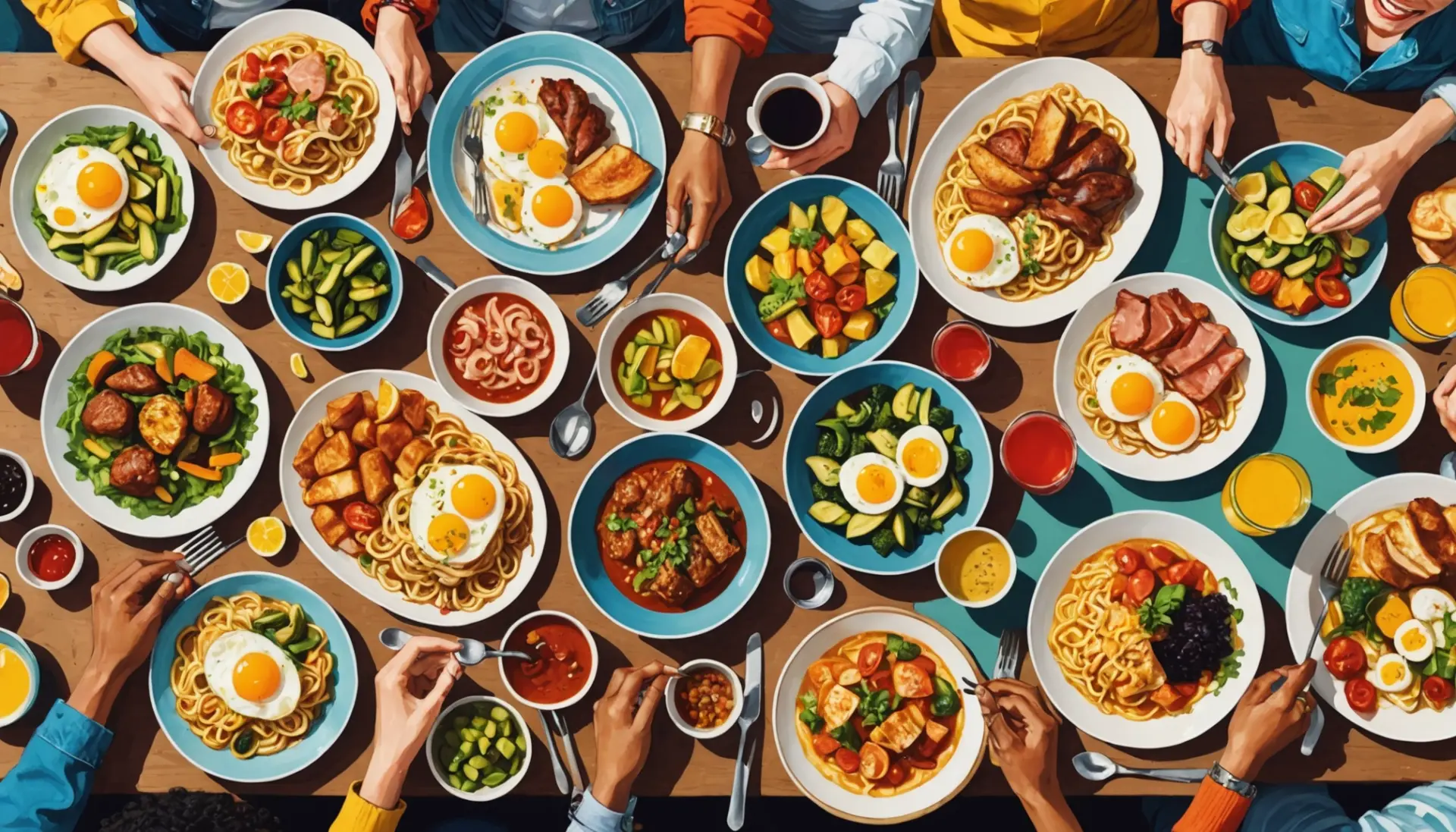
At its core, Mongolian breakfast slang tends to describe something unexpectedly chaotic, eclectic, or over-the-top, often with a silly, affectionate tone. People use it when breakfast is a wild mix of ingredients, or metaphorically, when a situation is a messy mashup. Think of it like calling a scene gloriously mismatched and slightly absurd.
Language lovers will notice this follows a classic slang pattern: take a concrete image, then extend it metaphorically to mood, aesthetics, or behavior. So the literal image of a heavy, meat-forward breakfast becomes shorthand for energy that is loud and unorthodox.
Origins and Early Sightings
The exact origin of Mongolian breakfast slang is fuzzy, which is common for micro-slang that lives on TikTok, Twitter, and niche subreddits. I checked recent chatter and forums: the phrase hasn’t landed in dictionaries yet, and it shows up mostly in playful captions or replies.
That said, this kind of phrase often springs from a viral video, a meme caption, or a comedian’s bit. For background on how slang circulates, see Slang – Wikipedia and Merriam-Webster’s take on how slang evolves, What Is Slang – Merriam-Webster. These give context for why niche phrases jump fast from niche feeds into wider use.
How People Use Mongolian Breakfast Slang
People drop Mongolian breakfast slang to comment on food content, to roast a messy outfit, or to describe a chaotic morning. It’s flexible. Use it for a literal plate piled high with odd pairings, or for a party that feels like someone mixed three different vibes and called it a theme.
On social platforms the phrase functions like other playful descriptors such as “midnight ramen energy” or “chaotic neutral.” It’s an identity shorthand. You can call yourself “Mongolian breakfast vibes” when you show up loud, comfy, and unexpectedly extra.
Real Examples Using Mongolian Breakfast Slang
Here are actual-sounding examples you might see in DMs, TikTok captions, or Twitter threads. These are written as authentic lines people would type, not invented academic quotes.
“Brunch at Tom’s was straight up Mongolian breakfast slang, bacon with kimchi and a side of pickles? Wild but delicious.”
“Woke up late, threw chips, eggs, and leftover curry on a plate—Mongolian breakfast slang. NGLEX.”
“That fit is Mongolian breakfast slang, mixing streetwear with dad-core and a silk scarf.”
Those examples show how productively vague the phrase is. It describes a mess that’s charming rather than gross. People use it to compliment audacity, not to insult taste.
Is Mongolian Breakfast Slang Problematic?
Short answer, maybe. Language that references a nationality or culture should be used thoughtfully. Some people might see “Mongolian” in the phrase and feel it exoticizes or flattens a rich culture into a joke. Others will read it as a harmless image of bold, hearty food.
If you’re worried about crossing a line, ask: am I making fun of a real cuisine or culture, or is this a playful, self-referential line about vibe? Context matters. When in doubt, opt for specificity, or avoid invoking a nationality to describe disorderly behavior.
Related Slang and Cultural Touchpoints
If Mongolian breakfast slang sounds familiar, that’s because it sits near other modern slang that maps moods to food and aesthetics. Terms like “rizz” or “delulu” do similar cultural work, compressing a long idea into two syllables. For more, check our pages on rizz and delulu.
Food-as-mood language also gets traction in pop culture. Critics and fans have used food metaphors in viral reviews, like when a New Yorker piece dissected the “avocado toast generation” moment, or when TikTokers made entire trends out of bizarre breakfasts. If you want to track how quickly these things spread, Know Your Meme is useful, see KnowYourMeme.
How to Use Mongolian Breakfast Slang Without Sounding Try-Hard
Use it sparingly, and only when the chaotic charm is genuine. Toss it into a caption after a wild meal, or drop it in a group chat to roast a friend who made an odd fashion choice. Keep it light. The point is playful exaggeration, not a mean dunk.
And if someone from Mongolia or of Mongolian heritage says it bothers them, listen. Slang flexes between fun and offensive quickly, especially when it borrows cultural labels. Be chill, be apologetic, and adapt.
Final Takeaway
Mongolian breakfast slang is a playful, emerging term people use to tag messily bold food, outfits, or vibes. It’s a way of saying “this is gloriously chaotic” while also winking at the absurdity of the mix. I expect it to stay niche, but you will probably see it crop up in captions and replies over the next year.
If you want more on how slang spreads from niche to mainstream, see the Wikipedia page on slang and Merriam-Webster’s notes on slang evolution. Use the phrase thoughtfully, and enjoy the chaos when it fits.