


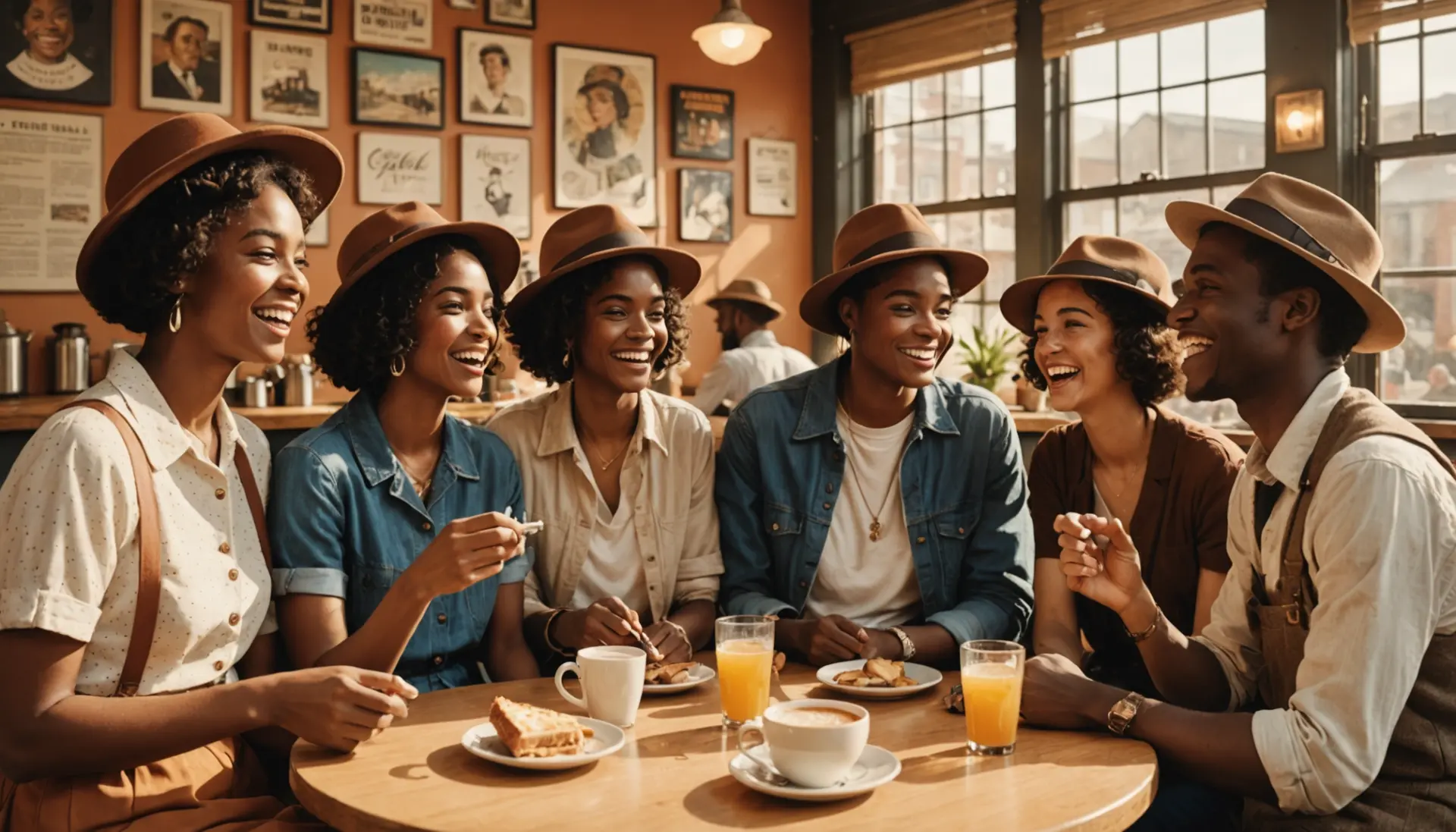

Old fashioned slang is not dead, it just went vintage and started showing up in weird spots like indie playlists and boutique coffee shops. People toss the phrase around when they notice words that sound like they belong in a 1920s comedy sketch, and sometimes they mean it affectionately, sometimes they mean it as a roast. Honestly, old fashioned slang says more about who’s speaking than the words themselves.
Table of Contents
What Old Fashioned Slang Means Today
The term old fashioned slang usually refers to words and phrases that were popular in earlier decades but now feel quaint or nostalgic. People often tag something “old fashioned slang” when they hear “bee’s knees,” “cat’s pajamas,” or someone call a suit “spiffy.” It’s a label and a mood, equal parts historical note and cultural clapback.
If you want a quick primer on how linguists think about slang, Wikipedia’s slang page is surprisingly solid for context, and Merriam-Webster has a clean definition of old-fashioned that helps explain the feeling behind the phrase. Use those two together and you’ll sound like you read something about it, not just heard it on a podcast.
History of Old Fashioned Slang
Slang has always been generational. Back in the 1920s you had flappers saying “the bee’s knees” and gangsters saying “made man.” By mid-century, guys were “hep” and gals were “hip.” What we now call old fashioned slang was the edgy, in-group talk of its time, a way to mark identity and exclude outsiders.
Language scholars trace many of these terms to periodicals, vaudeville, jazz scenes, and early movies. If you want a tiny rabbit hole, check the way the flapper era words map onto jazz lyrics and theater reviews. You start to see slang as cultural residue, like vinyl records and sepia photos, but audible.
Why Old Fashioned Slang Still Pops
Why do people still use old fashioned slang? For irony, for style, and for storytelling. Saying “You’re the bee’s knees” now signals vintage charm. It’s like wearing a thrifted jacket that somehow looks cooler than new clothes. Younger folks use it ironically on purpose, while older folks might use it genuinely and sound adorable or out-of-touch depending on the audience.
Media plays a big role. A retro scene in a hit show, or a viral TikTok that overlays a 1920s filter with a phrase like “swell,” can push obscure words back into circulation. Even musicians drop archaic words in lyrics as a stylistic choice, which then gets clipped into a meme and repeated. Language recycles itself, and old fashioned slang is on the rotation.
Examples and Usage of Old Fashioned Slang
Here are real ways people actually use the phrase and the words it describes. These are the kind of lines you might hear at a dinner party or see in a comment thread.
Friend 1: “That dress is so spiffy, who knew you were into vintage?”
Friend 2: “Ugh, stop with the old fashioned slang, honestly. I thrifted it yesterday.”
Or on Twitter: “My grandpa called my sneakers ‘snazzy’ unironically, old fashioned slang for sure but also iconic.” You’ll see it in replies, like: “Wow, that term is old fashioned slang, but it slaps.” Short, messy, affectionate.
Classic old fashioned slang terms still float around: “swell,” “golly,” “hep,” “spiffy,” “the bee’s knees,” “cat’s pajamas.” Some became memes, others turned into affectionate nicknames. When someone says, “stop being so archaic,” the reply might be “I’m cultivating retro energy,” which is modern and performative, but still anchored to those old words.
How to Use Old Fashioned Slang Without Sounding Try-Hard
Want to drop old fashioned slang into conversation and actually land it? Be specific, and don’t paste an entire script into one chat. Use one word at a time as seasoning, not the main course. If you call something “spiffy” as a one-off, people will probably laugh and ask where you learned that word.
Context matters. Pair it with a wink emoji or a nod to a specific era. Saying, “This playlist is giving 1920s speakeasy, total bee’s knees” reads differently than declaring your whole aesthetic to be a period piece. Also, listen for mirrors. If someone answers with a modern slang term like “rizz,” you can bridge eras by saying, “Old fashioned slang meets new drip.” Speaking of rizz, check our breakdown on rizz slang meaning to see how slang moves fast now compared to back then.
If you’re using old fashioned slang in writing, don’t overdo it. A single archaic adjective can add texture. Overload and you sound like you’re reciting a costume party invite. Want examples from film and TV? Think about how Wes Anderson characters throw slightly antiquated phrases into modern syntax, and it reads as a deliberate stylistic choice rather than ignorance.
When Old Fashioned Slang Becomes Trendy Again
Sometimes old fashioned slang climbs back into mainstream use, and there’s usually a pop-culture moment behind it. A hit movie, a viral meme, or a celebrity using a quaint term in an interview can reboot a phrase overnight. It’s a remix: the new generation borrows the old term, layers ironic distance over it, and suddenly it’s fashionable again.
Pop culture reference time. Remember how “groovy” had a mini-resurgence after some retro-themed shows and playlists blew up? Same mechanism. If you want to track memes and resurgences, Know Your Meme can show you how an obscure phrase became a viral moment.
Conclusion: Old Fashioned Slang Is a Tool, Not a Time Machine
Old fashioned slang works because it signals an attitude. Use it as texture, a punchline, or a loving nod to your grandparents. It can make you sound literary, twee, or delightfully grumpy, depending on the delivery. Remember that language is social, and calling something old fashioned slang is a comment on someone’s word choice and the mood behind it.
Want more slang context? We’ve covered other eras and trends on the site, like the modern pick-up lines of “rizz” and classic moves like “bogart.” See our posts on bogart slang meaning and rizz slang meaning for fresh contrasts between old and new voices. Language never dies, it just collects dust until someone finds it cool again.