


Rave Meaning Slang: Quick Intro
Rave meaning slang is a phrase people toss around a lot, and honestly, it does more than point to a wild party. The term has roots in subcultures, fashion, music scenes, and now social media shorthand. You might hear it in a caption, a DM, or from someone describing an aesthetic. Context matters, big time.
Table of Contents
What Rave Meaning Slang Actually Means
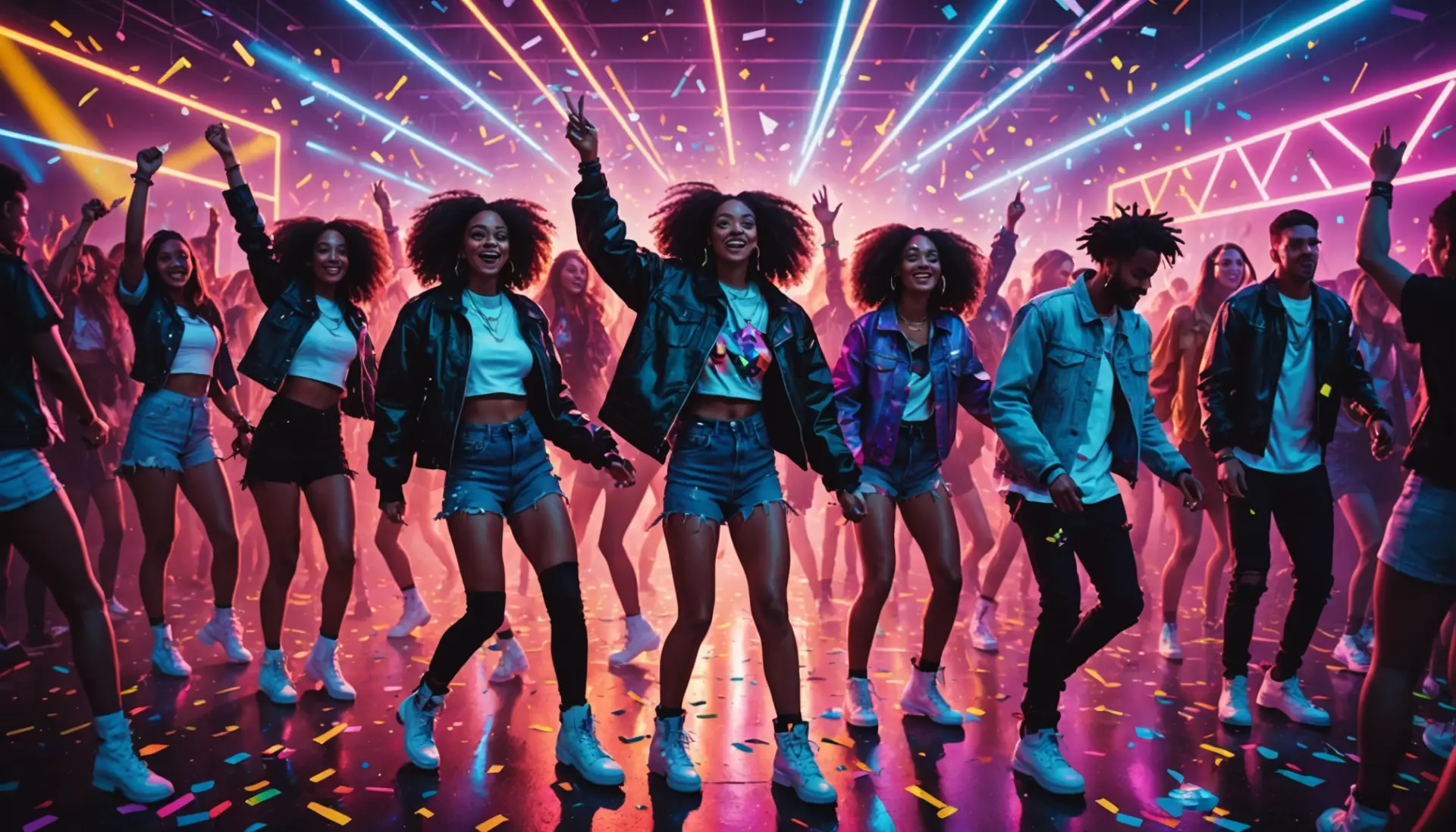
At baseline, rave meaning slang refers to the culture and vibe tied to electronic dance music parties and late-night scenes. But people use it loosely now, to describe neon-heavy outfits, hyperactive playlists, or just a frenzied good time. So when someone texts, “That fit is so rave,” they might mean fluorescent clothes, platform boots, and kandi bracelets, not a specific event.
Rave meaning slang also functions as shorthand for a mood: chaotic, ecstatic, and sometimes reckless. It can be celebratory, or it can be cautionary, depending on the speaker. Language morphs fast, and this phrase is a tiny case study.
History and Origins of Rave Meaning Slang
The word rave itself goes back decades, used in the 1950s and 60s to mean wild or extravagant talk about something. The modern rave scene that informs the slang emerged in the late 1980s UK acid house movement, then exploded worldwide in the 1990s with crews and illegal warehouse parties. If you want a quick primer on the broader phenomenon, check out Wikipedia on raves.
As the scene formalized into festivals and clubs, the language around it stuck. DJs like The Prodigy and later electronic acts such as Daft Punk shaped how mainstream culture pictured raves, and those images fed the slang. Even Merriam-Webster traces “rave” to energetic praise and crazy parties, which helps explain the current slang use source.
Rave Meaning Slang in Modern Use
Today, rave meaning slang appears in at least three flavors. One, literal: talk about an actual rave, Ultra Music Festival, or an underground warehouse gig. Two, aesthetic: describing clothes, makeup, and visuals inspired by the scene. Three, metaphorical: calling something “rave” to mean intense, immersive, or wildly popular.
Social media accelerated this. TikTok trends about “ravefits” or EDC packing lists turned specialized vocabulary into mainstream captions overnight. You may see influencers wearing LED gloves and calling the look “rave,” while a friend uses the same word to describe an over-the-top birthday party. Same word, different register.
Examples: Rave Meaning Slang in Conversation
Real talk examples help more than definitions, so here are some actual-sounding lines you might hear. They show range, and they feel natural.
“That DJ set last night was pure rave meaning slang energy, I have bruises and memories.”
“I need a rave outfit for Saturday — think neon, glitter, kandi. Rave meaning slang aesthetic, ngl.”
“Stop calling every wild party ‘rave.’ Rave meaning slang should mean something with actual bass and lasers, not your aunt’s house BBQ.”
Notice how the phrase can be used to approve, to aestheticize, or to correct. That flexibility is why it stuck. People remix it depending on generation, geography, and whether they DJ or just love the playlist.
Culture Notes and Safety
Rave meaning slang carries subcultural baggage. There are positive things, like community rituals and PLUR values, and darker shades, like illegal events and drug issues. When you see someone using the phrase online, read the room. Is it glorifying risky behavior, or just hyping a sick light show?
Also, appropriation is a conversation. Rave culture started with specific communities and histories. If you wear it as a costume, think about context. The scene has evolved through Ibiza club culture, the late 90s EDM boom, and now festival fashion, but roots matter. For background on raves and social history, this Wikipedia overview is a good start.
How to Use the Phrase Without Sounding Clueless
If you want to use rave meaning slang in a caption or convo, be precise. If you mean the music and event, say “rave” plainly. If you mean the look, add context: “rave-inspired,” “ravecore,” or “ravefit.” That saves confusion. People who actually go to raves will appreciate the nuance.
And if someone corrects you, don’t sweat it. Language is collaborative. Say thanks, adapt, and maybe ask what they mean. Curiosity works wonders.
Related Slang and Where to Learn More
There are adjacent terms you will bump into: PLUR, ravecore, kandi, and EDC. Want to compare notes on modern slang? See our takes on rizz meaning and bogart slang meaning. For festival etiquette and community lingo, this plur meaning page is helpful.
Also, memes helped move the slang into mainstream. Remember the “PLUR handshake” gifs, or the TikTok that turned kandi bracelets into a fashion moment? Pop culture moments like the EDM boom of the late 2000s and festivals like Tomorrowland and Ultra pushed the aesthetic into influencer feeds, so the slang followed.
Final Thoughts on Rave Meaning Slang
Rave meaning slang is a little messy, and that’s fine. It can describe an event, a look, or a mood. Use it with awareness, and it will serve you well. Want to sound fluent? Pay attention to who says it and why.
If you liked this, tell a friend or argue in the comments. Language is fun when people riff. Also, if you want deeper reads on the original scene, the Wikipedia entry and Merriam-Webster notes are good jumping off points here and here.