


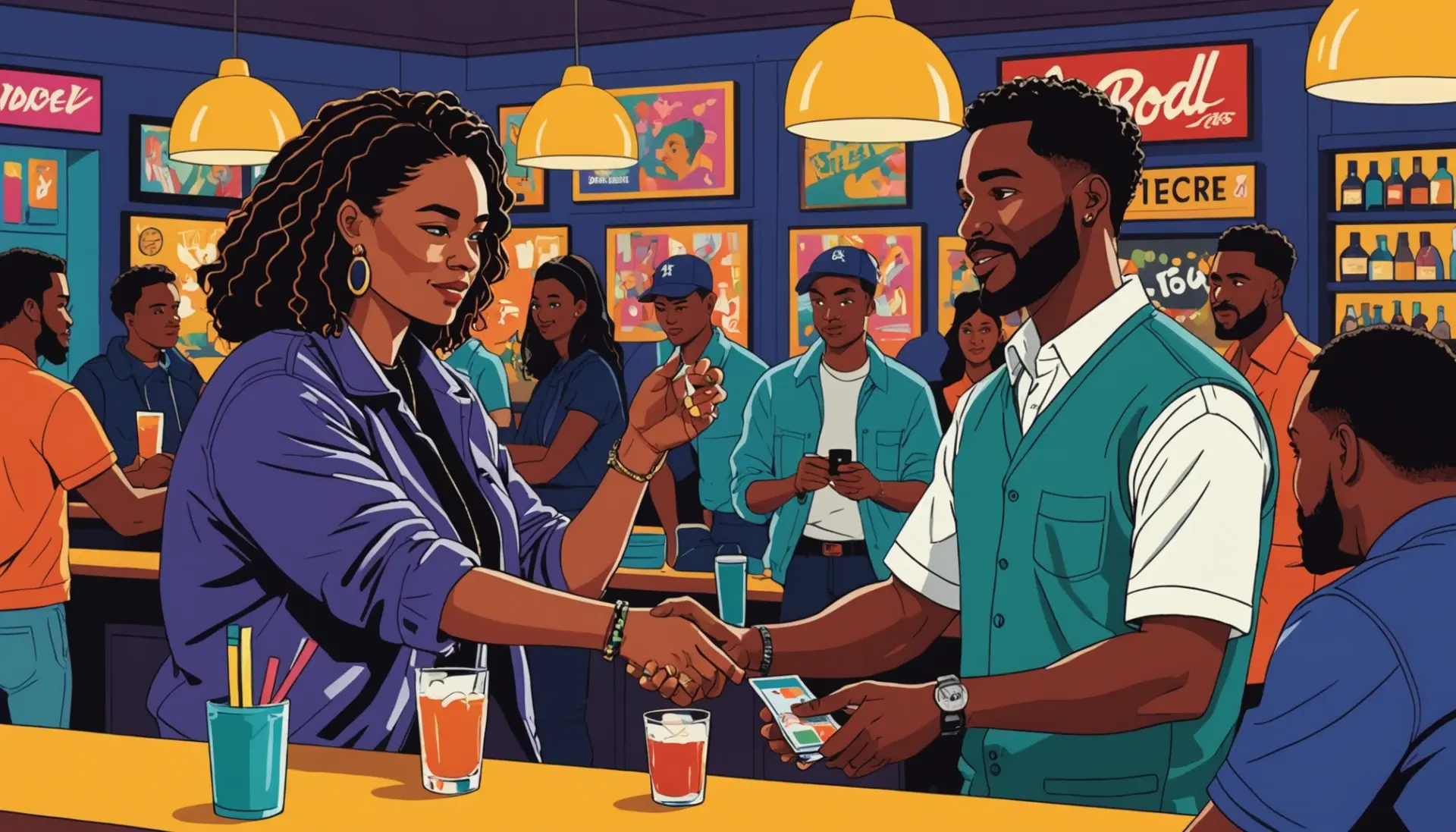

Intro: Why “slang for an id check” matters
slang for an id check is a tiny phrase with big social weight, especially if you work nights, drink at bars, or are under 30 and have a suspiciously youthful face. People toss it around when talking about getting carded, proving their age, or that awkward moment at a bar when a bartender asks to see your ID. It sounds casual, but words carry context, and slang tells you which scene you are in.
Okay so, this post maps the most common ways folks refer to asking for or getting an ID, and why some choices land fun while others can feel rude. I pulled examples from everyday speech, online threads, and barroom banter, so you get the real usage, not textbook definitions.
Table of Contents
What Is Slang for an ID Check?
When someone asks for or refers to an ID check using casual language, they are using slang for an id check. The phrase covers everything from “they carded me” to “lemme see your ID” and even short forms like “ID’d”.
At its core, this slang group centers on a quick social ritual: verifying age or identity before permitting access to booze, entry, or services. Different subcultures have their favorite turns of phrase, and those choices reveal a lot about the vibe of the place.
Common Slang for an ID Check Across Scenes
There is a short list you will hear everywhere, plus a few niche ones for certain crowds. The universal classic is “carded”, like “I got carded at the door.” It is blunt, understood in most English-speaking countries, and shows up in sitcoms and news stories alike.
Other frequent variants: “ID’d” or “they ID’d me,” “they asked for my ID,” and casual commands like “lemme see your ID” or “card me.” Young people sometimes say “got tagged” less commonly, and bartenders might mutter “ID check” in a professional tone.
Examples: How People Actually Say It
Here are real-feeling examples you can use or recognize. Notice how tone shifts meaning. Short, clipped lines feel transactional. Longer lines can be playful or confrontational.
“You gonna card me? Because I left my license at home.”
“They ID’d me at the door, I thought I was safe though.”
“Bartender said ‘card me’ real casual, then handed back my fake like it was a museum piece.”
“I got carded buying cold medicine, ngl that was low-key embarrassing.”
“Can you ID them? They look young.”
See that? “Carded” is the go-to. “ID’d” is the clipped, slightly techy version. “Card me” is casual, used by staff. These lines sit differently depending on your tone and delivery.
Tone and Context: When to Use Slang for an ID Check
Context matters. Saying “you got carded” after a club night is playful, but using “card me” in a formal setting can sound unprofessional. If you are a server, “ID, please” is polite and clear. If you are with friends, “they carded me” works fine for storytelling.
Also, watch regional flavor. In the U.K., people might say “they checked my ID” or “took my ID,” while in the U.S. “carded” dominates. Online, on Twitter or TikTok, people abbreviate even more, so you might see “got carded” paired with a trending audio clip about being young forever.
Avoid These Mistakes When Using the Slang for an ID Check
First off, avoid slang that conflates “carding” with other meanings. “Carding” also refers to credit card fraud in cybersecurity circles. If you are in a tech chat and say “carded,” you might be misunderstood. Context again.
Second, do not weaponize the slang at someone. Saying “you look too young” instead of asking politely to see ID can come off accusatory. If you need to check ID professionally, stick with neutral lines, like “Can I see your ID, please?”
Wrap Up and Quick Cheatsheet
To recap: slang for an id check is mostly about short, commonly used phrases that signal age verification. The safest public phrases are “carded,” “ID’d,” and “Can I see your ID?” Use “card me” when you hear staff being casual, and avoid using “carding” near cybersecurity topics.
Quick cheatsheet: “They carded me” equals casual storytelling. “ID’d” equals clipped, modern. “Card me” equals staff shorthand. Use the right tone and you will avoid awkwardness. Use the wrong tone and yes, it gets weird fast.
For background reading on identification documents see Wikipedia: Identification document. For a quick look at how “card” is defined in common dictionaries try Merriam-Webster: card. If you want slang histories and crowd-sourced takes, some threads and glossaries are useful, but always double-check context.
Also, if you liked this little language tour, you might enjoy our pieces on rizz and carded on SlangSphere.