


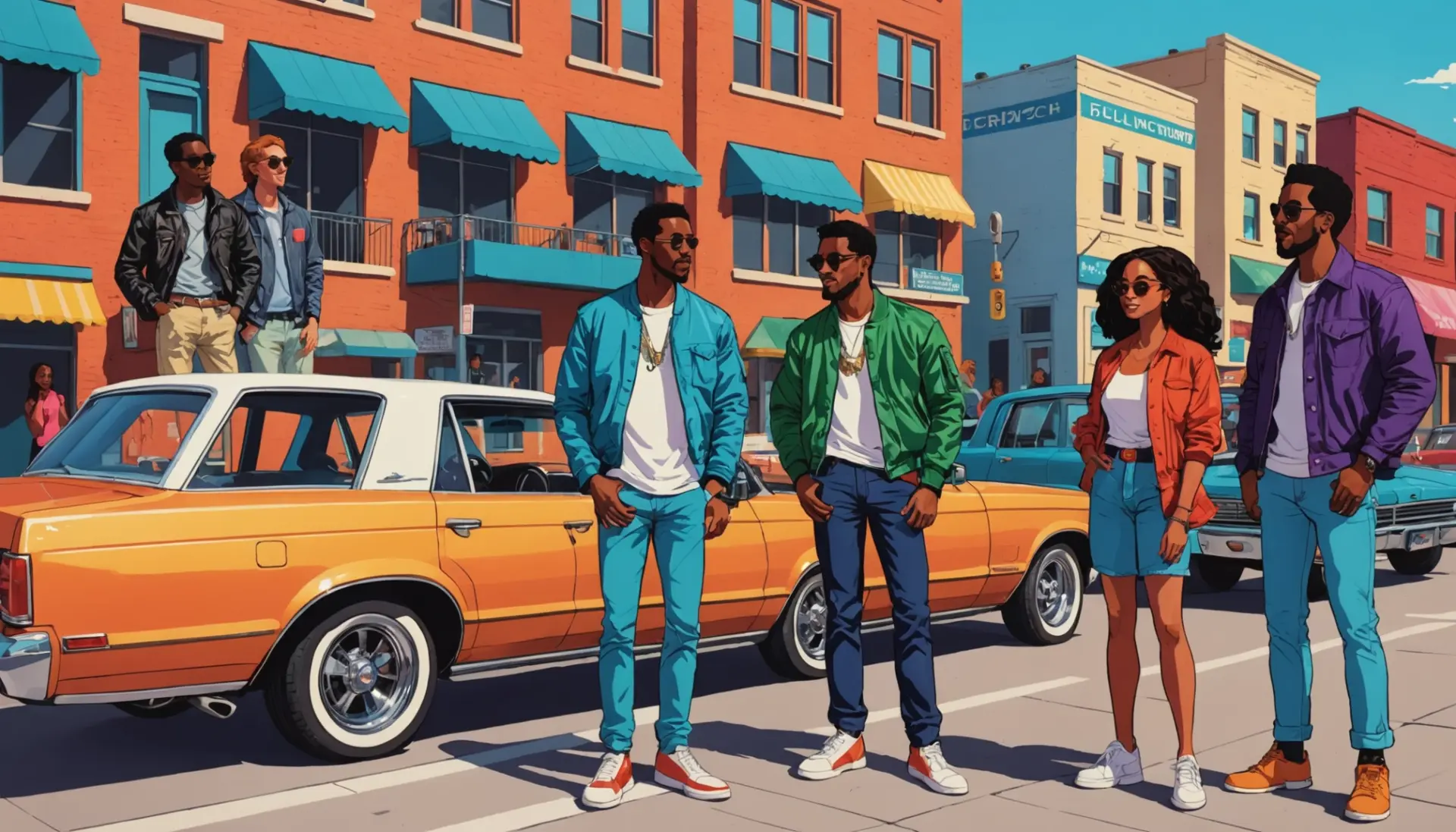

Intro: Why Slang Names for Cars Matter
Slang names for cars pop up in texts, tweets, and song lyrics all the time, and they tell you a lot about who someone is, where they grew up, and what vibe they want to give off.
Honest talk: the words we use for vehicles are shorthand for class, culture, hobby, and sometimes flexing. From “whip” in rap bars to “beater” in Craigslist classifieds, these names carry stories.
Table of Contents
- Intro: Why Slang Names for Cars Matter
- Popular Slang Names for Cars: A Quick Tour
- Regional Variations in Slang Names for Cars
- Real-Life Examples: How People Use These Slang Names for Cars
- Etymology and Culture Behind Slang Names for Cars
- How to Sound Natural Using Slang Names for Cars
- Further Reading and Sources
Popular Slang Names for Cars: A Quick Tour
Okay so here are the big hitters everyone knows and some that are low-key regional. “Whip” is the first one people mention, popularized in hip-hop and now normal texting language.
Then there is “ride,” which is casual and broad. “Beater” means a cheap, beat-up car you keep because it runs. “Lemon” is a car that constantly breaks. “Bucket” or “clunker” are affectionate insults for older cars. “Land yacht” is the playful term for huge, comfy sedans and SUVs.
Regional Variations in Slang Names for Cars
Slang names for cars shift by city and community. In the American South you might hear “whip” and “motor” used differently than in the Midwest, where “rig” can mean your truck and sometimes your whole setup for work.
Across the pond, Brits say “motor” or “bevvy” sometimes, while Aussies say “ute” for utility trucks. Language and car culture are tied together, so local trends, weather, and jobs shape what people call their vehicles.
Real-Life Examples: How People Use These Slang Names for Cars
Examples make this real. Texting, somebody might write, “Pull up in your whip, I got the aux.” Short, casual, zero ceremony. At a used-car swap group, you’ll see, “Beater for sale, runs great, $900” which signals budget and honesty.
Friend 1: “Is that your whip outside?”
Friend 2: “Nah, it’s my mom’s beater, don’t roast me.”
Or this, from a chat: “Dropped the top on the land yacht, felt like The Weeknd in that video.” Specific cultural references give the slang texture.
Etymology and Culture Behind Slang Names for Cars
Some terms are old, some are new. “Whip” reportedly comes from the steering wheel being compared to a carriage whip. That image stuck when cars replaced horses. There’s debate on origins, but usage in hip-hop in the 2000s pushed the term into mainstream conversation.
Other words come from practical life. “Beater” just describes function over form. “Lemon” appears in consumer protection law slang because faulty products were called lemons for decades. Culture, media, and law all leave fingerprints on car slang.
How to Sound Natural Using Slang Names for Cars
Want to use slang names for cars without sounding try-hard? Match the vibe. Use “whip” when you mean a flexy, stylish car. Use “beater” when the point is affordability and bluntness. Don’t drop every term in one sentence. It reads like a parody account.
Also, context matters. Say “ride” or “car” around folks who aren’t into slang. Say “rig” around tradespeople. Little moves like this signal you know what you’re talking about. Ngl, people notice.
Further Reading and Sources
If you want deeper history, read about cars and language on Wikipedia or check how slang evolves in culture journals. For the legal side of terms like “lemon,” consumer protection histories are helpful.
External references I used include Wikipedia: Car and a general look at slang dynamics on Wikipedia: Slang. For pop-culture spread examples, look at how hip-hop lyrics normalized certain terms via artists like Drake and Missy Elliott on streaming sites.
Also, for more slang explorations on related terms, check internal posts like Whip slang, Ride slang, and Rig slang on SlangSphere.
Conclusion
Slang names for cars are small words with big cultural weight. They signal region, taste, and sometimes socioeconomic status, all in one syllable. Use them right and you blend in. Use them wrong and you get an eye-roll, which is fine.
If you liked this, tell me your favorite term for a clunker in the comments. I have a soft spot for “bucket” and the way it sounds when shouted across a parking lot. Seriously, it’s a vibe.