


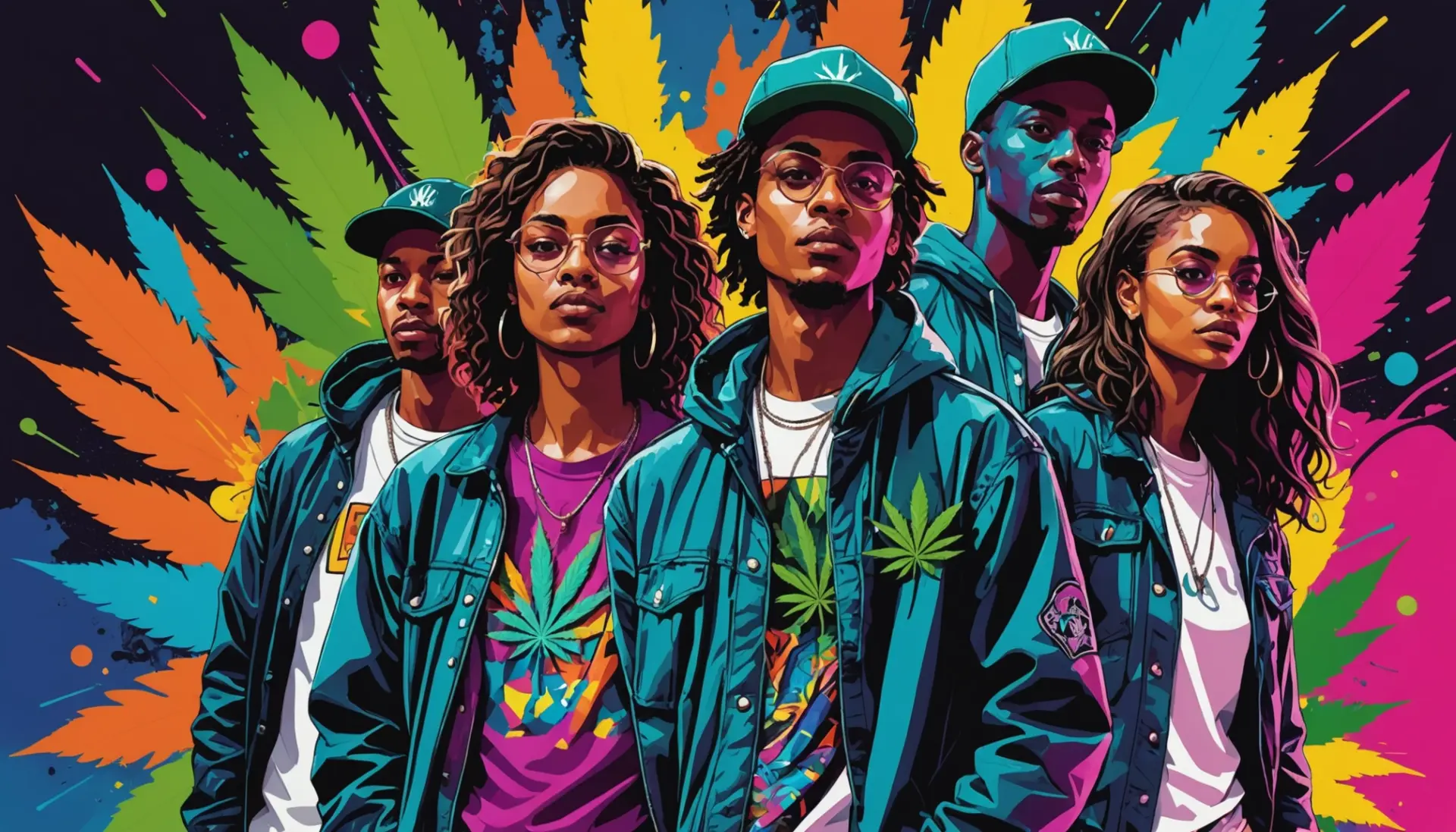

Intro
Slang words for drugs are everywhere, from rap lyrics to DM threads. You hear them in songs, see them in memes, and sometimes get thrown at parties like casual code words.
Okay so, this post is not a how-to guide. It is a cultural explainer, honest and useful, about why people use these terms and what they actually mean in context.
Table of Contents
Common Slang Words for Drugs
Lots of slang is decades old, like pot, dope, and smack. Those terms still show up in older hip-hop, crime dramas, and newspapers, sometimes because reporters quote sources verbatim.
Then there are newer or more scene-specific words: kush, dank, and Mary Jane for cannabis; blow, snow, and coke for cocaine; H, dope, and smack for heroin; molly and ecstasy for MDMA; X or bars for Xanax; lean or purple drank for codeine cough syrup mixed with soda.
Some words overlap, which causes confusion. For example, dope can mean heroin to some people, while others use dope to mean any high-quality drug, or even to praise someone like, “That outfit is dope.” Context is everything.
How Slang Words for Drugs Spread
Music is a huge vector. Think Snoop Dogg casually naming strains of weed, or Future and Lil Wayne making lean mainstream. When a popular artist drops a line, people repeat it, and slang jumps from niche scenes into broader use.
Social media accelerates this. TikTok trends, meme pages, and private group chats turn a small regional word into a national or global phrase in weeks. Remember when “molly” went from underground EDM talk to a viral term after festival coverage and high-profile incidents? Yeah.
Why People Use Slang
Why not just say the drug name? Several reasons: privacy, plausible deniability, cultural identity, and sometimes status signaling. Slang creates in-group language. It makes you sound like you belong or like you know what you are talking about.
Also, slang can mask intent from outsiders. Saying “I grabbed some herb” is less raw than “I bought marijuana.” That deliberate fuzziness matters in casual conversation and in risky settings.
Regional and Cultural Variations
Slang words for drugs are rarely universal. East Coast rap will use different terms than West Coast scenes. UK youth slang borrows American words but also reuses older British terms.
Subcultures matter too. Rave communities used “Molly” and “E” in the 2000s, while punk and hardcore scenes had their own lexical choices. College campuses, street dealers, and online forums each develop distinct vocabularies.
Real Conversation Examples
Here are realistic lines you might hear, so you can spot the meaning without judging the people who use them.
“You got any herb? I’m trying to chill tonight.”
“Nah fam, all I brought was some kush. It hits different.”
“He was talking about getting molly before the festival, sounded sketchy.”
“She popped a couple bars and fell asleep on the couch.”
See how short-hand slips in? People trade these phrases like vocabulary, not full technical names. Sometimes someone will mix metaphors, like calling premium weed “gas” or “dank.” It’s part lyricism, part secrecy.
Staying Safe and Legal Realities
Look, slang words for drugs can hide danger. A pill that looks like a candy bar could be fentanyl-laced, and slang won’t tell you that. That’s why public health groups push clear language and testing resources rather than cute nicknames.
If you want reputable info, check sources like the National Institute on Drug Abuse and background definitions on Wikipedia. For how slang evolves in pop culture, Merriam-Webster tracks popular terms and usages.
Resources and Further Reading
Curious about related slang? We’ve covered modern shorthand like rizz slang and older terms like bogart slang elsewhere on SlangSphere. Those pages show how words shift meaning over time.
If you are worried about legality or safety, seek local health resources. Slang can obscure risk, so clarity matters if someone’s health is at stake.
Final Notes
Slang words for drugs are fluid, creative, and often intentionally evasive. Sometimes they’re humorous. Sometimes they’re dangerous because they hide reality. Keep your ears open and your skepticism higher.
Ngl, language tells you as much about a scene as the substances themselves. If you pay attention to the words people use, you learn who they hang with and what they value. That’s cultural data, plain and simple.