


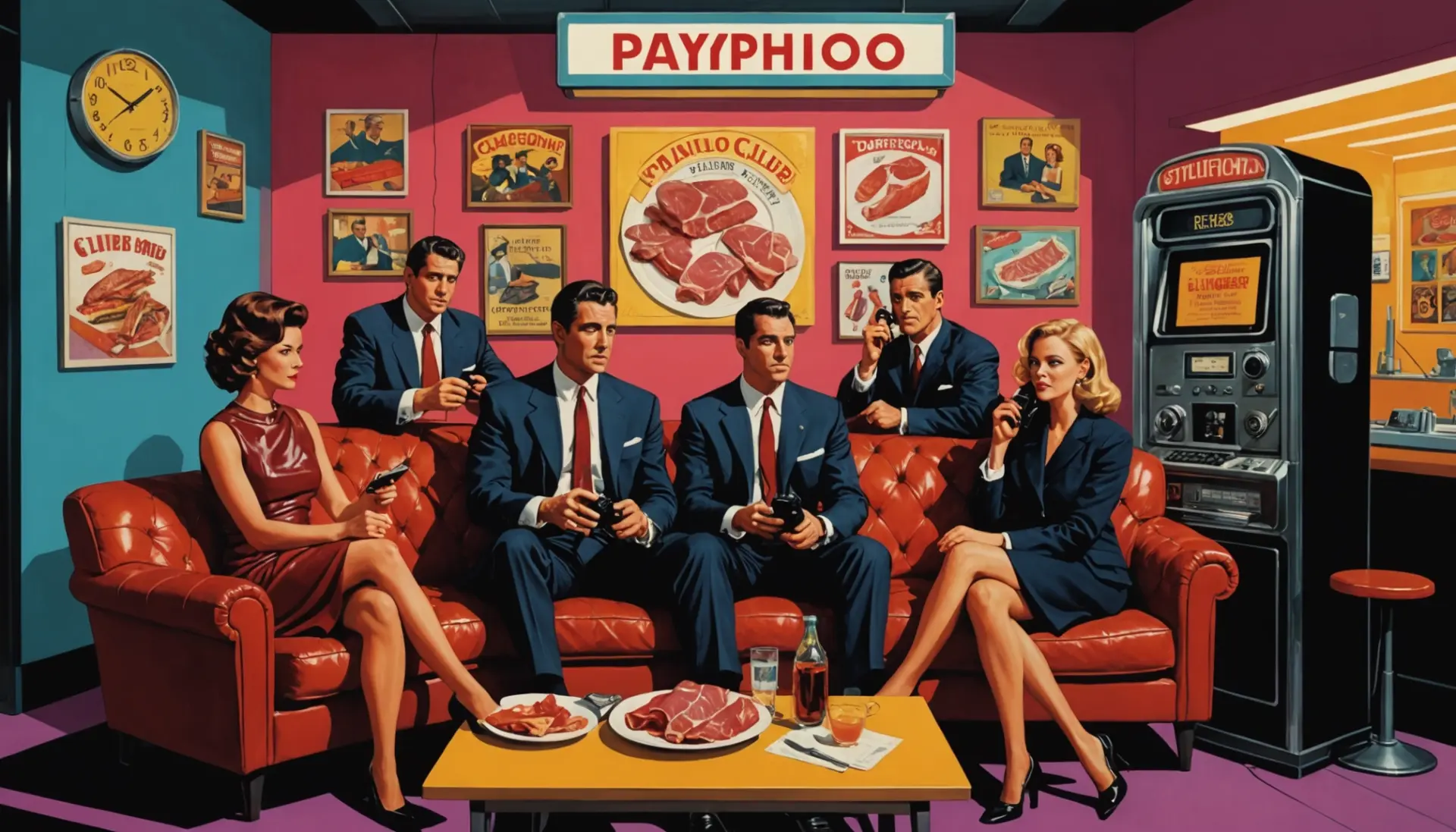

Intro: Quick Note on Soprano Slang
Soprano slang is what people usually mean when they talk about that mafioso-flavored talk everyone quotes from The Sopranos and other mob stuff, and yes, it carries a weird mix of real Italian-American terms, TV exaggerations, and pure meme energy.
Okay so, this piece is for anyone who hears “gabagool” or “bada bing” and wonders if there is a secret dictionary behind it. Spoiler: there kind of is, but it is messy and fun.
Table of Contents
What Is Soprano Slang?
Soprano slang refers to the collection of words and phrases either used by, or popularized through, The Sopranos and similar portrayals of Italian-American mob life. People use the phrase to describe both authentic mob argot and the exaggerated, TV-ready versions of it.
It mixes legitimate Italian and Sicilian terms like “capo” or “omertà” with regionally accented English like “fuhgeddaboudit.” The result is a recognizable voice: tough, blunt, and full of colorful phrasing.
Examples of Soprano Slang in Pop Culture
If you watch The Sopranos, you already know the hits: “bada bing,” “gabagool,” “made guy,” and “sleep with the fishes” are the big ones. Bada bing evolved into a punchy catchphrase that ended up everywhere, from podcasts to T-shirts.
Some terms are actually older than TV, like “capo” and “made,” which come from organized crime vocabulary. Others are TV inventions or accent-driven spellings that became memes, especially after scenes went viral on YouTube and TikTok.
How Soprano Slang Evolved
There are three main influences on soprano slang: real-world mob speech, Italian-American kitchen-table talk, and the scriptwriters and actors who made dialogue sound cinematic. Writers like David Chase and actors like James Gandolfini added texture.
Then internet culture took over. Clips of characters saying “gabagool” or “fuhgeddaboudit” became memes and were remixed with Drake or trap beats. That turned niche slang into platform-friendly punchlines.
Why Soprano Slang Stuck Around
Why does soprano slang survive? It sounds authoritative and iconic. Those short, blunt phrases work great as jokes, captions, or persona signals on social media. People love to drop a single word that carries a whole vibe.
Also, the show itself is still a cultural touchstone. When a line lands, it carries the weight of that character, and people repeat it for effect. Tony Soprano had a way with a phrase, and that matters.
Real Usage Examples: How People Say Soprano Slang
Examples help, so here are realistic ways you might hear soprano slang used, from casual to theatrical. These are actual conversational patterns I hear in chats, comments, and TikTok voiceovers.
“Bro, she ghosted you? Fuhgeddaboudit, move on.”
“We went to the party and my cousin showed up with gabagool and provolone. Classic move.”
“If he crosses the boss, he’s getting whacked. No more deals.”
See how it works? Sometimes people use soprano slang sarcastically, like when they want to sound mock-tough. Other times they use it affectionately, as shorthand for a whole set of cultural references.
Sources and Further Reading
If you want the background on The Sopranos itself, the show’s Wikipedia page lays out the cultural impact: The Sopranos on Wikipedia. For basic word definitions, Merriam-Webster is a solid reference for things like “soprano” the singing voice, which sometimes confuses people searching the term: Merriam-Webster: soprano.
For meme context around words like “gabagool,” Know Your Meme catalogs how accent-driven terms spread online: Know Your Meme: Gabagool. And yes, slang scholars and urban etymology buffs still argue over what is authentic mob speech and what is theater.
Quick glossary
Capo: A high-ranking member of the family. Made guy: Someone formally inducted. Omertà: A code of silence. Bada bing: A punctuation phrase often used to emphasize the abrupt. Gabagool: A New Jersey/NY phonetic of capicola, turned meme. Whack/Whacked: To kill. These are the building blocks of soprano slang.
Conclusion: Should You Use Soprano Slang?
Short answer: use it carefully. Soprano slang can be fun and instantly recognizable, but it also flattens a lot of real cultural nuance. If you drop “omertà” or “made guy” as a joke, know what you are quoting.
NgL, the best way to use it is with irony or respect. If you are riffing on TV lines with friends, have fun. If you are reducing communities to caricature, don’t. Language carries weight, even when it sounds like a punchline.
Related reading on SlangSphere
Want to keep exploring? Check out how other classic slang caught on: Bada Bing Slang Meaning and a deep dive into those accent-driven memes: Gabagool Slang Meaning. For similar TV-driven talk, see our page on Fuhgeddaboudit Slang Meaning.