


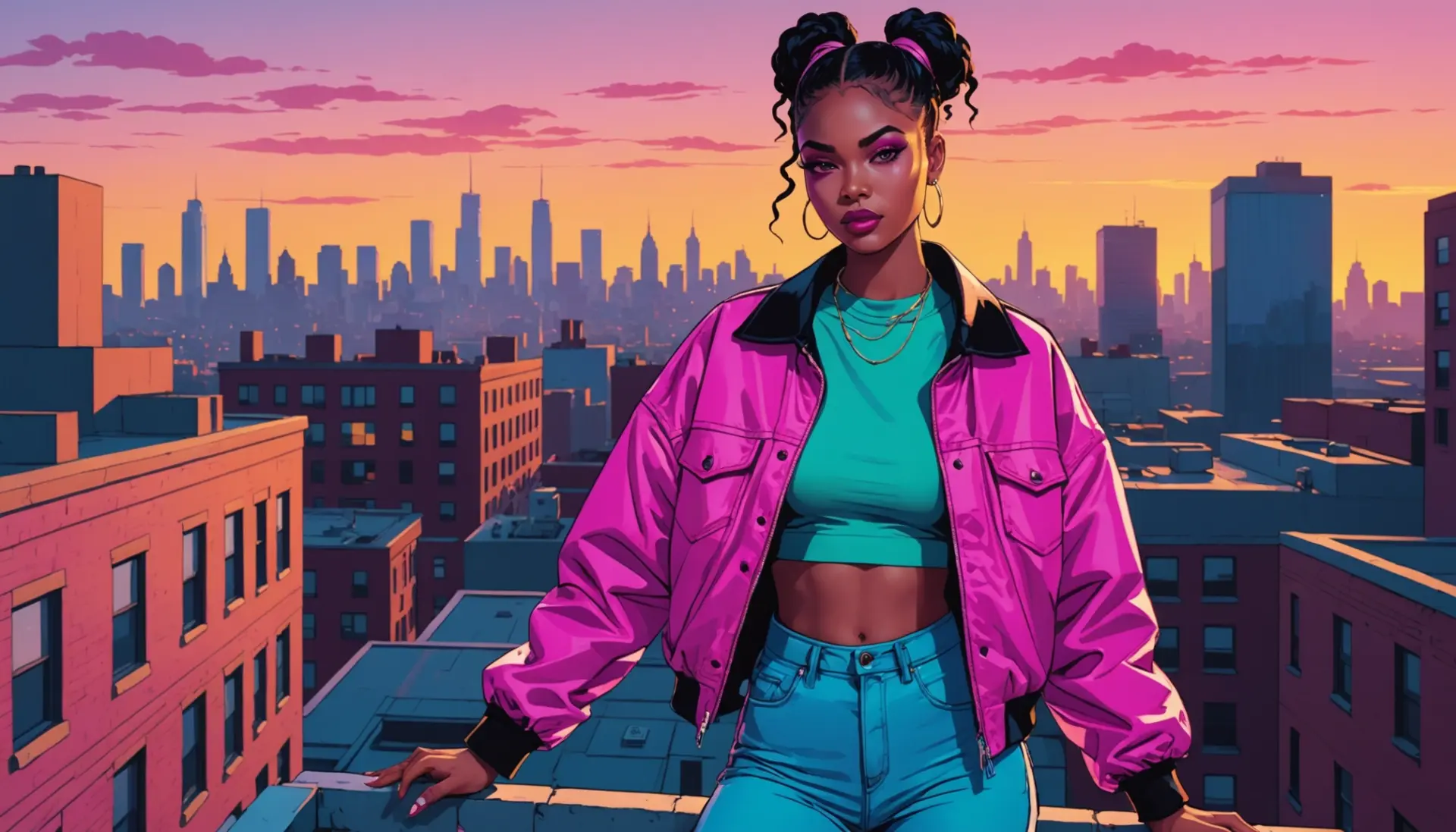

Introduction
urban dictionary baddie is the phrase people type when they want the slang definition and the messy, fun cultural story behind it.
Okay so, this post peels back why the term shows up everywhere from TikTok captions to makeup tutorials, and why Urban Dictionary has like a dozen takes on what being a baddie actually means.
Table of Contents
What urban dictionary baddie Means
At its core, urban dictionary baddie points to someone who is confident, fashionable, and knows how to present themselves with purpose.
On Urban Dictionary the entries often use blunt, slangy language: a baddie is “a bad bitch” who is stylish, bossy, and posts great selfies. But that shorthand misses some nuance, because the label has both attitude and a specific look attached to it.
How urban dictionary baddie Evolved
The lineage starts with AAVE use of “bad” meaning attractive or impressive, which goes back decades in hip hop and Black cultural speech.
From there, baddie as a noun got popular on social platforms in the 2010s, with Instagram and Snapchat fueling the aesthetic: winged liner, laid edges, fitted jeans, and curated selfies. TikTok later amplified it, turning baddie into a viral template for makeup and outfit tutorials.
Real Examples of urban dictionary baddie in Conversation
People use the term casually, and the tone can be playful, admiring, or ironic. Example texts: “She’s a total baddie, outfit on point.”
Another example: “Deadass, urban dictionary baddie vibes at the party tonight.” Or someone posting “baddie glow up 2024” under a before/after clip. You will also see it as a noun and as an adjective, like “That’s baddie energy.”
“Bro, she stepped out like a baddie. Everyone looked.”
“Trying the baddie makeup tutorial rn.”
The Baddie Aesthetic and Cultural Signals
Calling someone a baddie usually signals more than looks, it points to styling choices and social media fluency.
Think: dramatic eyelashes, full brows, contoured cheekbones, glossed lips, neutral-toned fits, and a willingness to be photographed. Pair that with confidence, and you get the archetype. Songs, memes, and influencers cement these cues: you can trace viral moments from makeup creators who labeled routines as “baddie beat” and then watched the tag explode.
Critiques, Gender, and Race
urban dictionary baddie entries often come off simplified or glamorized, and critics note how the label commodifies a set of Black feminine aesthetics.
There is tension between empowerment and appropriation. When mainstream accounts copy the look without credit or understanding, that erases originators. Urban Dictionary itself reflects this: some entries are celebratory, others are reductive or sexualized, and readers should expect contradictions.
How to Use urban dictionary baddie Without Being Tone-Deaf
If you want to use the term, listen before you label. Context matters: close friends joking about someone’s style is different from a brand co-opting the aesthetic for clicks.
Be specific. Praise a person’s confidence or style rather than flattening them into an object. And if you borrow looks, give respect to creators and origin communities. That makes the compliment land better, honestly.
Sources and Further Reading
Want to check original entries? Urban Dictionary hosts many user-submitted takes on “baddie”, which show how the meaning shifts by community. See Urban Dictionary: Baddie for the messy crowd-sourced record.
For a cultural snapshot of the term’s spread online, Know Your Meme keeps track of meme tags and viral aesthetics. See Know Your Meme for related threads and examples. For background on Urban Dictionary and how slang gets documented, the Urban Dictionary Wikipedia page explains the site’s role in vernacular archiving, see Urban Dictionary on Wikipedia.
Final Takeaway
The phrase urban dictionary baddie is shorthand for a bigger cultural thing: a look, an energy, and a performance of confidence that became codified online.
Use the term with some awareness. Admire the vibe, credit the creators, and know that the Urban Dictionary entries you find are snapshots, not definitions carved in stone.
Related entries on SlangSphere
Curious about connected slang? Read our takes on rizz, the drip in drip, or the origins of thot.