



What Does 86 Mean? Origins and Core Uses
What does 86 mean? If you hear someone say “86 it,” they usually mean toss it out, cancel it, or refuse service. The phrase lives in bars, kitchens, and street talk, and it can mean anything from “we ran out” to “get them out of here.”
Origin stories are messy and fun. Folks trace the term to diner shorthand, Prohibition-era codes, rhyming slang, and even a street address rumor. No single origin has unanimous proof, which is honestly part of the charm.
Table of Contents
What Does 86 Mean? How People Use It Today
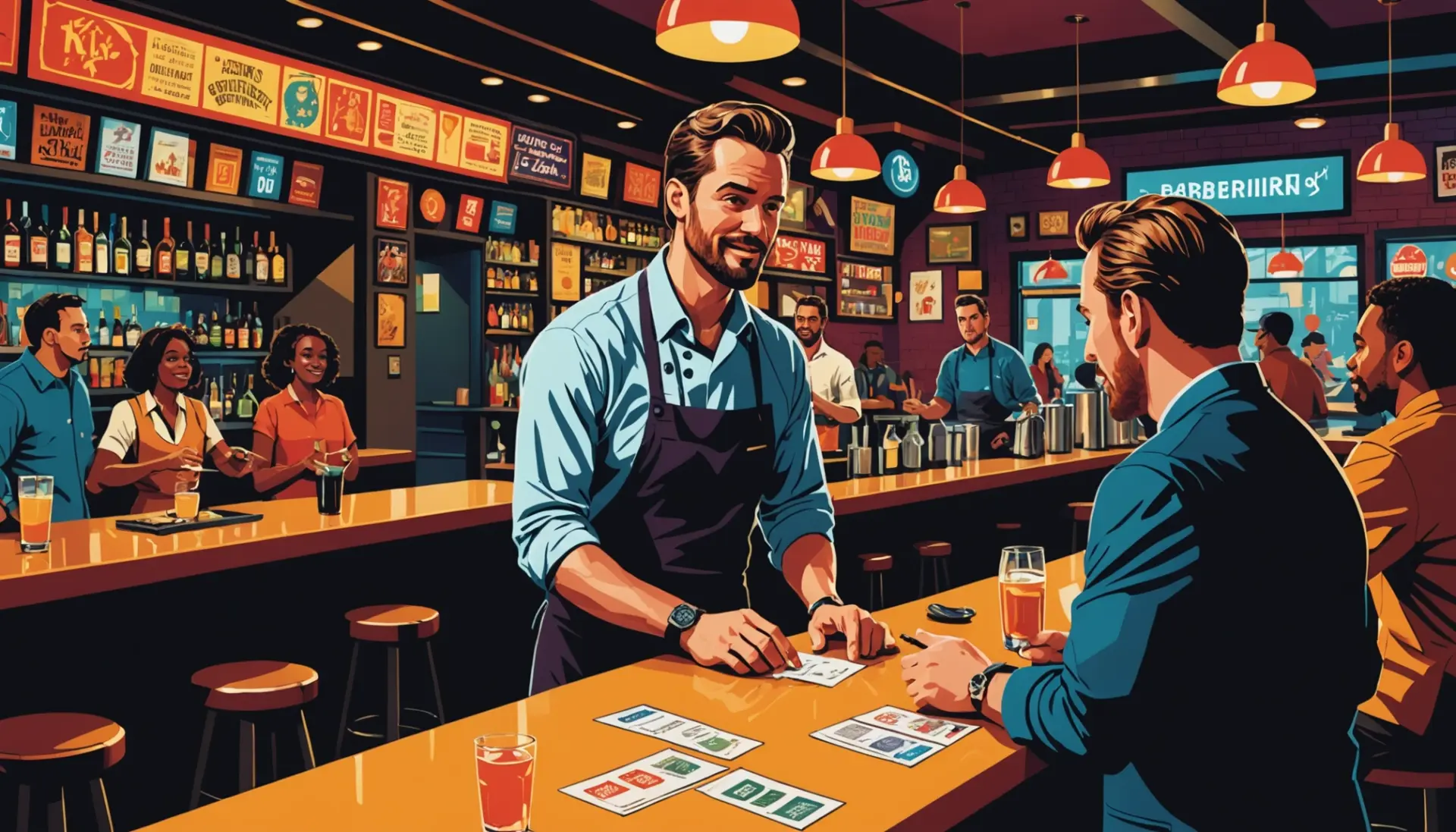
Today, 86 is shorthand. In restaurants it literally shows up on tickets and whiteboards to mark an item as unavailable. In bars, bartenders will yell “86 the tequila” to mean pour no more or stop serving a person.
Out in broader slang, 86 means to get rid of something or someone. You can 86 an idea in a meeting, 86 a dress from your closet, or 86 someone from the guest list. It has a casual cruelty sometimes, ngl, like a soft way to say “you’re out.”
Examples and Real Conversations
Here are real-feeling, modern examples of how people use the phrase. These are the sort of lines you might overhear or send in a group chat.
-
In the kitchen: “86 the salmon, we only have chicken left.”
-
At a bar: “Bartender yelled, ’86 table seven, they’re cut off.'”
-
In a group chat: “We’re running late, just 86 the fancy plan and Uber.”
-
Dating drama: “He ghosted me, so I 86’d him. Moving on.”
Those examples show the verb form a lot of people use: to 86, or to be 86’d. It works transitive and passive. Short, efficient, a little sharp.
Why It Stuck Around
Why did “86” survive? For starters, it’s unbeatable shorthand. In noisy kitchens and chaotic bars, short codes matter. But the phrase also gives a tiny hit of rebelliousness.
It sounds cool too. Numbers carry weight. Saying “86” feels like insider language, like you’re in on a system. That makes it stick across professions, and then into everyday slang and online posts.
Quick Wrap and Takeaway
So again: what does 86 mean? It basically means get rid of, cancel, or refuse service, depending on context. It’s versatile, crisp, and a bit blunt.
If you want to cite a source that tracks modern dictionary entries, check Merriam-Webster’s definition for 86 and the historical notes on the phrase: Merriam-Webster: 86. For some cultural tracing and variations, there are useful summaries on Wikipedia’s number pages and community lexicons like Urban Dictionary: Wikipedia: 86 (number), Urban Dictionary: 86.
Extra: Fun Theories About the Origin
People love stories, so there are a bunch. One theory ties 86 to soda jerk codes where numbers meant menu items and 86 meant something was off-limits. Another points to rhyming slang, where 86 rhymes with nix. There’s also the rumor about an address or a bartender at 86 Chatham Street, though that one feels like folklore.
All the theories matter because they show how language spreads: workplaces, jokes, and repeated use make a term survive. Think of it like how terms from restaurants like “on the fly” or “behind” jumped to mainstream speech.
Where You’ll Hear It Outside Work
You’ll see 86 in tweets, caption jokes, and memes. People will post a photo of a canceled concert and caption it, “Show 86’d.” In TikTok comment threads someone might go, “86 the whole drama.” It’s quick and meme-ready.
Related Slang and Links
If this kind of shorthand is your jam, you might also like other culinary-to-street terms like bogart or rizz. Check out more on the site: Bogart Slang Meaning, Rizz Slang Meaning. These terms made similar jumps from niche to mainstream.
Short Glossary
-
86 (verb): to cancel, eject, or get rid of something or someone.
-
86 (passive): to be denied service or removed. “She got 86’d from the bar.”
-
86 (kitchen): item removed from availability, usually marked on tickets.
Parting Note
So, if a friend texts you “86 those shoes,” they are telling you to ditch them, pronto. Short, practical, and a little bit theatrical. Language like this is why slang is fun: it compresses story and attitude into two digits.
Curious about other slang moves from workplace code to street talk? Browse more entries on SlangSphere and see how terms evolve, get hijacked by pop culture, or show up in your favorite shows and songs.