


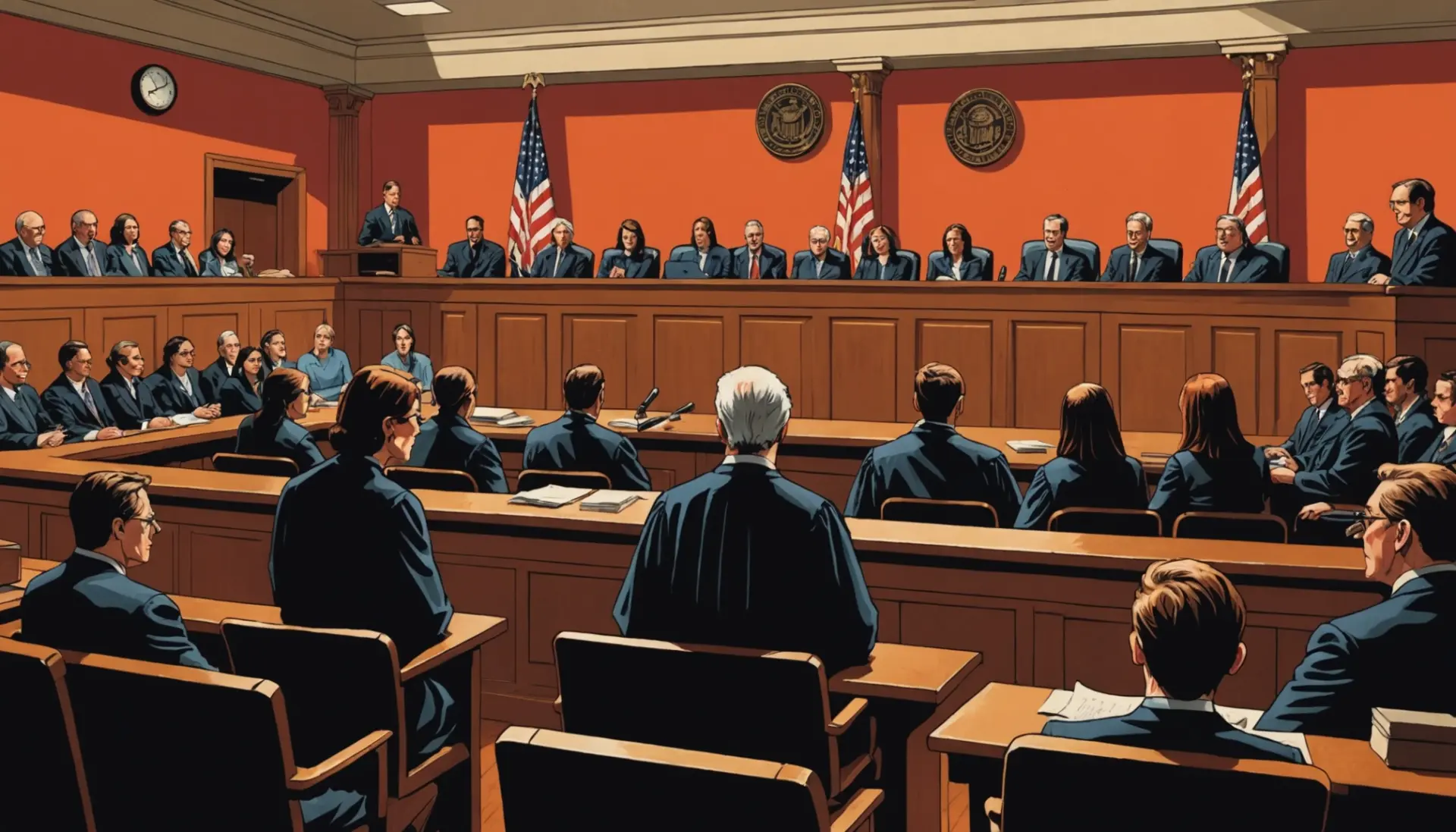

What Does a Mistrial Mean? The Legal Definition
what does a mistrial mean? In plain talk, a mistrial is when a judge says the trial cannot continue fairly or legally, so the case stops without a verdict. It does not equal an acquittal or a guilty verdict, it is more like a reset button for the legal process.
Think of it like a movie that cuts to credits halfway through because something went wrong on set. The court can sometimes retry the case, or they might drop charges, depending on the reason for the mistrial.
Table of Contents
Reasons a Judge Declares a Mistrial
When people ask what does a mistrial mean, they usually want to know why a court would halt everything mid-case. The common reasons are juror misconduct, a hung jury where jurors cannot agree, procedural errors, or events that make a fair trial impossible.
Juror misconduct can be surprisingly mundane: someone Googles evidence, a juror talks to witnesses, or social media leaks key info. Judges take that seriously, because the whole system depends on impartial fact-finding.
There are also legal technicalities that force a mistrial. For example, if key evidence was admitted incorrectly or a major legal error happened, the judge might rule the proceedings unfair and call it off.
Real-Life and Everyday Examples: How People Use “What Does a Mistrial Mean?”
People throw the phrase around like courtroom jargon in coffee shop conversations, and sometimes they get it wrong. You might hear someone say, “The trial was a mistrial, so he’s free,” which mixes things up, because a mistrial is not the same as a not-guilty verdict.
Here are a few conversational examples people actually use: “Did you hear the judge declared a mistrial because the juror watched the video?” or “Ugh, the case was a mistrial, now they might retry him.” Short, direct, and messy.
On social media, you’ll see clips from legal dramas where characters shout “mistrial!” after a procedural disaster. Shows like American Crime Story and other courtroom-heavy series use the term for drama, which is why a lot of people think of it as a TV move rather than a heavy legal outcome.
What Happens After a Mistrial
Okay so you know what does a mistrial mean, but what comes next? The prosecution can decide to retry the case, negotiate a plea, or drop charges. The decision often depends on how strong the evidence is and whether putting people through another trial makes sense politically or practically.
There are limits though. Double jeopardy protections generally prevent retrial after an acquittal, but a mistrial is different, and retrial is usually allowed unless the mistrial was caused intentionally by the prosecution to get a better outcome.
If a mistrial was due to a hung jury, retrial is common. If the judge declared mistrial because crucial evidence was illegally introduced, the prosecution might have a harder time fixing that without new proof.
Why People Use “Mistrial” in Casual Talk
People like courtroom words because they sound dramatic and precise. Saying “mistrial” in a group chat about a canceled concert or a messy breakup is a fun way to lampoon chaos. “That group chat was a mistrial” means it ended disastrously, no verdict, just chaos.
Ngl, slang borrows legal terms because they cut through nuance. Using “mistrial” gives your complaint a certified, kind of sarcastic weight. It’s a vibe check word for things that failed spectacularly but might get another chance.
If you want more slang that hopped from serious into casual, see how “rizz” evolved on the rizz page, or how fantasy dating terms became mainstream on our delulu entry.
Legal Resources and Further Reading
If you want the technical law version of what does a mistrial mean, reliable references are helpful. The Wikipedia page on mistrial lays out different types and examples, and Merriam-Webster gives a crisp dictionary definition.
For a law-school friendly explanation, Cornell’s Legal Information Institute explains mistrials and how retrials relate to double jeopardy. These are solid starting points if you need authoritative context: Wikipedia: Mistrial, Merriam-Webster: mistrial, Cornell LII: Mistrial.
How to Talk About a Mistrial Without Sounding Like a TV Lawyer
When you bring up what does a mistrial mean? try to be clear about the difference between mistrial, acquittal, and conviction. A mistrial is procedural, so follow-ups matter: will there be a retrial, or did something else happen?
Example lines that sound smart but not awkward include: “The trial ended in a mistrial due to juror misconduct, so they might retry it,” or “It was declared a mistrial, so no verdict yet.” Simple and precise.
Closing Thoughts
So yeah, when someone asks what does a mistrial mean? you can give them a clean, honest answer: it is a halted trial without a verdict that may lead to a retrial. It’s a legal pause, not an outcome.
It’s also one of those terms that jumped into everyday speech because it sounds sharp and a little dramatic. Use it sparingly, and people will think you read more than just headlines. Or at least watched a good courtroom show.
Example chat use: “Courtroom scene was wild, the judge called a mistrial, so now the whole thing’s reset.”