



Introduction
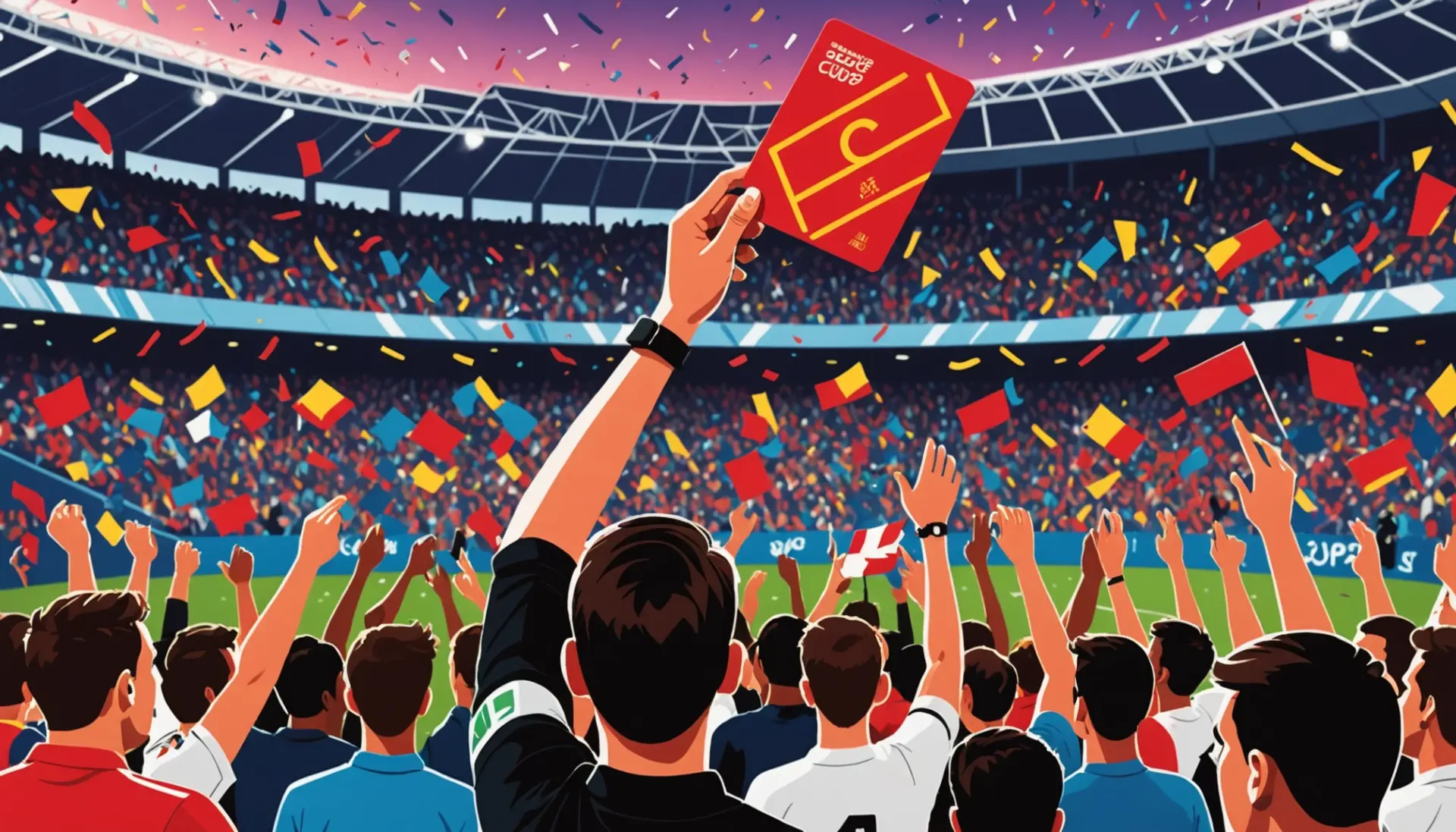
what does a red card mean in the world cup is the question that spikes every time a referee pulls out that tiny red rectangle during a knockout match.
Fans groan, commentators shout, and social timelines explode. It feels final, dramatic, often decisive. But what really happens, rules-wise and culturally?
Table of Contents
what does a red card mean in the world cup: Basic Meaning
When someone asks what does a red card mean in the world cup they are asking about the simplest but most severe punishment in football: immediate sending off.
A red card means the player must leave the field right away and cannot be replaced. The team plays the rest of the match with one fewer player, which often changes tactics and momentum in a hurry.
what does a red card mean in the world cup: Consequences for Teams
So what does a red card mean in the world cup beyond the obvious numerical disadvantage? First, it alters match tactics; managers scramble, subs are reconsidered, team shape changes.
Second, the player faces suspension, usually at least one match, sometimes more for violent conduct. That absence can ripple into the next round, especially in knockout stages where every match matters.
How the Ref Decides
Referees use the Laws of the Game to judge when to show a red card, normally for serious foul play, violent conduct, spitting, denying an obvious goalscoring opportunity with a handball or foul, or using offensive language.
The decision can come immediately or after a VAR review. Want the official wording? The governing texts are worth a skim. See Wikipedia on red cards and the IFAB/Laws pages for authoritative detail at The IFAB.
Famous World Cup Red Cards and Why They Mattered
History gives us vivid examples that answer what does a red card mean in the world cup emotionally, not just technically. Think Zinedine Zidane in 2006, headbutting Marco Materazzi in the final, a moment replayed endlessly and felt worldwide.
Or Luis Suárez in 2010, who handled the ball on the line against Ghana in the last minute of extra time and got sent off. Ghana missed the penalty that followed, Uruguay won on penalties, and the image stuck in the tournament lore.
These moments show a red card is more than rule enforcement. It writes narratives, creates villains and heroes, and fuels memes and conspiracy threads for years.
How Fans Use “Red Card” in Slang and Conversation
Beyond the pitch, people use the phrase casually. When someone says, “That outfit is a red card,” they mean it crosses a line, it’s unacceptable, or it kills the vibe. Language morphs fast.
Here are real-feel examples of how people drop it in chat or on social:
“Bro, he elbowed him in the face, that’s a red card. No excuses.”
“She ghosted him mid-date. Red card. Move on.”
“Ref missed that, ngl that non-call cost us. What does a red card mean in the World Cup? It means you’re down a player and sometimes out of the tournament.”
See? The phrase moves from sport into everyday moralizing. It becomes shorthand for ‘that crosses the line’.
Why It Changes the Atmosphere
A red card changes the emotional tenor of a match instantly. Stadiums go silent, or roar. Social feeds fill with outrage and hot takes. Players who look composed a minute ago suddenly carry the weight of a nation, which is absurd and very real.
It also gives managers a tactical puzzle. Do you try to clog the midfield? Protect the backline? Play on the counter? Red cards force improvisation and can elevate underdog stories.
Appeals, VAR, and Tournament Rules
After the match, federations can appeal or review incidents, but red-card bans tend to stick unless there is clear evidence of a wrongful sending-off. VAR has reduced blatant errors, but it also brings new controversies.
Different tournaments sometimes tweak suspension lengths for violent conduct or spitting. The World Cup follows FIFA and IFAB protocols, which you can read about in official resources and summaries like the ones at FIFA.
How to Talk About It Without Sounding Basic
If you want to sound like someone who actually follows the game, say what happened and why. Mention the offense, the match context, and the likely suspension. People appreciate specifics more than hot takes.
Example: “He got a red card for violent conduct after that elbow, so he’ll miss the next World Cup match and his team will probably sit deeper to compensate.” Short, clear, and informed.
Final Takeaway
So, what does a red card mean in the world cup? Practically, it means a player is sent off and the team plays with one fewer player, plus suspension after the match. Culturally, it rewrites the story of a game in a single flash of red.
It is both a rule and a narrative device: a sporting penalty and a moment that fuels memes, analysis, and endless debate. Next time you yell at your screen, you will know the layers behind that tiny red rectangle.
Want more slang and sports culture crossover? Check out our takes on rizz and why commentators sometimes sound so “savage” in match threads with savage slang meaning. For the vibe pieces, see how fans label overreactions with delulu.