


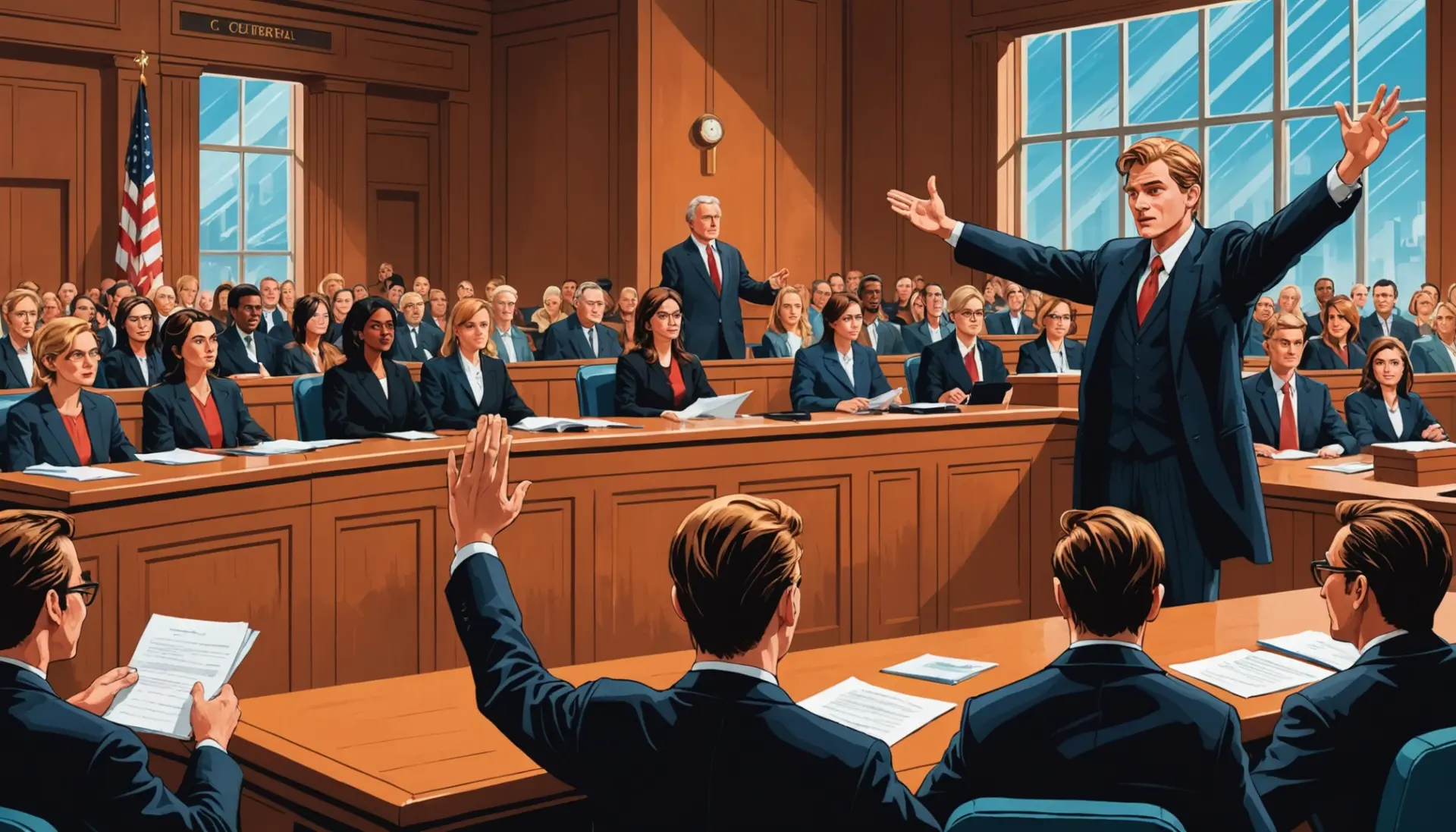

What Does a Stay Mean in Court? Short Answer
What does a stay mean in court is a question people ask when they hear judges say “stay” and feel like the room just paused. If you want the quick version, a stay temporarily halts some part of a legal case or enforcement of a judgment. Sounds simple, but it matters a lot depending on timing, who’s asking, and why.
Table of Contents
What Does a Stay Mean in Court? Quick Definition
Legally, when someone asks “what does a stay mean in court”, they are asking for the official meaning: a temporary suspension of proceedings or enforcement. Judges can pause everything from a trial to the execution of a judgment. The pause can be short, a few days, or last until a higher court rules.
Think of it like hitting pause on a song while you decide whether to skip it or keep listening. The music stops, but the playlist is still there.
What Does a Stay Mean in Court? Common Types
There are several flavors of stay, and knowing which one you are talking about changes the stakes. A stay pending appeal is common: it stops enforcement until an appeal resolves. An administrative stay might pause agency action. A temporary restraining order can act like a stay for narrow things.
Some stays are automatic by law. Others require the judge to exercise discretion. If you are reading legal docs or a headline about a judge granting a stay, double check which type it is.
How a Stay Works: Timeline and Effects
Practically, a stay rewrites the timeline. Suppose a landlord wins an eviction, but the tenant files an appeal and gets a stay. The eviction is paused while the appeal moves through the system. That pause can prevent irreparable harm, like someone being kicked onto the street during winter.
Stays can also be conditioned. Courts often require a bond, or set other terms to make sure the pause is fair. If you hear someone ask “what does a stay mean in court” during a news clip, they probably want to know whether the pause protects someone or just delays the inevitable.
Examples: What a Stay Means in Real Cases
Real cases show how different stays can be. In high-profile situations the press covers, a stay can block enforcement of a government rule until a challenge is decided. For example, federal courts have issued stays on administrative rules while lawsuits play out.
Lower court examples are boring but meaningful. Imagine a judgment ordering payment. A debtor asks for a stay, posts a bond, and the creditor cannot collect until the appeal is decided. That is the difference between immediate loss and measured review.
“Wait, so what does a stay mean in court?” someone texts when a judge pauses an eviction. “They told us to stay put till next month,” a tenant replies. Ngl, the word ‘stay’ can relieve panic.
Everyday Speech: How People Use ‘Stay’ About Court
Outside legal documents, people use ‘stay’ casually and sometimes sloppily. You might see tweets like, “Judge put a stay on it, so no raid today,” or friends saying, “Court stayed the order, we’re Gucci.” Those are shorthand, but they capture the core idea: pause.
Here are real conversational examples you might hear at dinner or on social media:
-
“Did you see the ruling? They stayed the decision, so nothing happens for now.”
-
“We appealed and got a stay, which gave us breathing room to find a lawyer.”
-
“The company filed for a stay of execution on the judgment.”
Quick Tips If You Hear ‘Stay’ in Court
If someone asks “what does a stay mean in court” and you are in legal trouble, pause and ask clarifying questions. Who requested the stay? Is it automatic or discretionary? Is there a bond or condition attached? These matter way more than the headline word.
Also, check reliable sources. The Wikipedia page on stay of proceedings gives historical context. Cornell Law School’s Legal Information Institute explains practical law terms at Cornell LII – stay. For a short dictionary take, see Merriam-Webster.
Wrap-up and Where to Learn More
So, when someone asks “what does a stay mean in court”, remember it signals a temporary halt, and that halt can be the difference between relief and immediate consequence. Context, type, and conditions change the practical effect. Ask which kind, and check official documents.
Want to keep your legal slang radar sharp? Read up more with our guides on courtroom lingo and legal slang. If you want a focused look at similar terms, try appeal meaning.